Advertisement
Eating well should not be a luxury, but for millions of older Americans on fixed incomes, putting fresh, nutritious food on the table can feel like a daily challenge. The good news is that there are several food assistance programs for seniors designed specifically to help people 55 and older access healthy food without the financial stress. Whether you love browsing your local farmers market or need meals delivered to your door, there is likely a program that fits your situation.
1. Senior Farmers Market Nutrition Program (SFMNP)
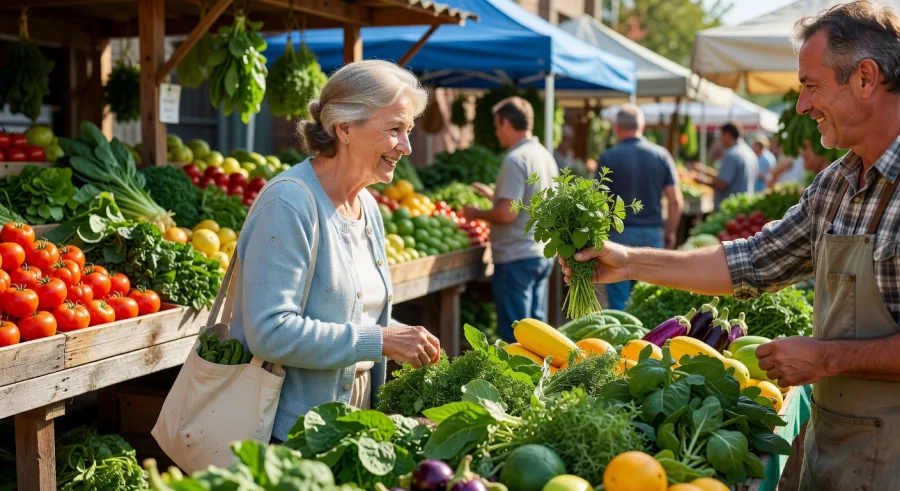
The Senior Farmers Market Nutrition Program is one of the most unique food assistance programs for seniors available today. Administered by state agencies with support from the U.S. Department of Agriculture, this seasonal program provides eligible low-income seniors with vouchers they can use to purchase fresh fruits, vegetables, and herbs directly from farmers markets, roadside stands, and community-supported agriculture (CSA) programs.
Who Qualifies?
Generally, you must be 60 years of age or older and meet your state's income guidelines to participate. Because each state runs its own version of the program, eligibility thresholds and voucher amounts vary. Vouchers typically range from around $20 to $50 per season, though your state may offer more or less depending on available funding.
How to Use Your Vouchers
Once approved, you will receive voucher booklets that can be used at authorized vendors during the local growing season. This means the program is seasonal — it runs when fresh produce is available in your region, usually from late spring through fall. To find out if your state participates and how to apply, contact your local Area Agency on Aging or visit the USDA's Food and Nutrition Service website.
Shopping at a farmers market with vouchers in hand is more than a practical benefit — it connects seniors with their community and encourages a diet rich in whole, fresh foods.
2. Commodity Supplemental Food Program (CSFP)
The Commodity Supplemental Food Program is another powerful option among food assistance programs for seniors. This USDA-backed program provides monthly boxes of nutritious food to low-income adults aged 60 and older. The boxes typically include items like canned fruits and vegetables, juice, cereal, pasta, peanut butter, and canned protein sources such as tuna or chicken.
What to Expect
Participants pick up their food packages at local distribution sites, which are often run by food banks, community organizations, or government offices. The exact contents of each box can vary by state and season, but the goal is always to supplement your diet with wholesome staples. Income limits apply and are based on federal poverty guidelines, so check with your local food bank or state agency to see if you qualify.
3. Supplemental Nutrition Assistance Program (SNAP)
You may already know SNAP by its former name, food stamps. This is one of the largest food assistance programs for seniors in the country, and many older adults who qualify are not taking advantage of it. SNAP provides a monthly benefit loaded onto an Electronic Benefits Transfer (EBT) card that works like a debit card at most grocery stores and many farmers markets.
Why Many Seniors Miss Out
Studies show that eligible seniors enroll in SNAP at lower rates than other age groups. Some are not aware they qualify, while others assume the benefit will be too small to matter. Even a modest monthly SNAP benefit can meaningfully reduce grocery costs over the course of a year. You can check your eligibility and apply online through your state's SNAP office or through the Benefits.gov website.
4. Meals on Wheels
For seniors who have difficulty cooking or leaving home, Meals on Wheels is an invaluable resource. This nationally recognized program delivers nutritious, ready-to-eat meals directly to the homes of older adults who are homebound or have limited mobility. Local Meals on Wheels programs are funded through a combination of federal, state, and private sources, and services are typically free or offered on a suggested donation basis for those who cannot afford to pay.
More Than Just a Meal
Beyond the food itself, Meals on Wheels volunteers provide a regular friendly check-in, which can be a meaningful source of social connection for isolated seniors. Services vary by location, so contact your local Area Agency on Aging or visit the Meals on Wheels America website to find the program nearest you.
5. Congregate Nutrition Programs
If you are mobile and enjoy getting out of the house, Congregate Nutrition Programs offer hot meals served in a group setting, such as a senior center, church, or community hall. These programs are funded in part through the Older Americans Act and are designed to provide both nutritional support and social engagement for adults 60 and older.
What to Expect
Meals are typically served once per day, five days a week, and are nutritionally balanced to meet a significant portion of your daily dietary needs. Contributions toward the cost of meals are sometimes requested but never required. To find a congregate meal site near you, reach out to your local Area Agency on Aging.
How to Access These Food Assistance Programs for Seniors
Navigating government programs can feel overwhelming, but you do not have to figure it all out on your own. Here are a few simple steps to get started:
- Contact your local Area Agency on Aging (AAA): These agencies are your best local resource for connecting with food programs, transportation, and other senior services. You can find yours by calling the Eldercare Locator at 1-800-677-1116.
- Visit Benefits.gov: This federal website lets you search for programs you may qualify for based on your age, income, and location.
- Call 2-1-1: Dialing 2-1-1 connects you with a local specialist who can point you toward food resources, utility assistance, and more in your area.
- Check with your local food bank: Many food banks operate CSFP distribution sites and can help you apply for multiple programs at once.
You have worked hard throughout your life, and these programs exist to support you. Taking advantage of food assistance is not a burden on the system — it is exactly what these resources are designed for. Even if you think you may not qualify, it costs nothing to check. A single phone call or online search could connect you with meaningful help starting this season.
Take the Next Step Today
Do not wait to explore the food assistance programs for seniors available in your area. Start by calling the Eldercare Locator at 1-800-677-1116, visiting Benefits.gov to screen for eligibility, or reaching out to your nearest Area Agency on Aging. Fresh food, delivered meals, and monthly grocery support may all be closer than you think.
Advertisement