Advertisement
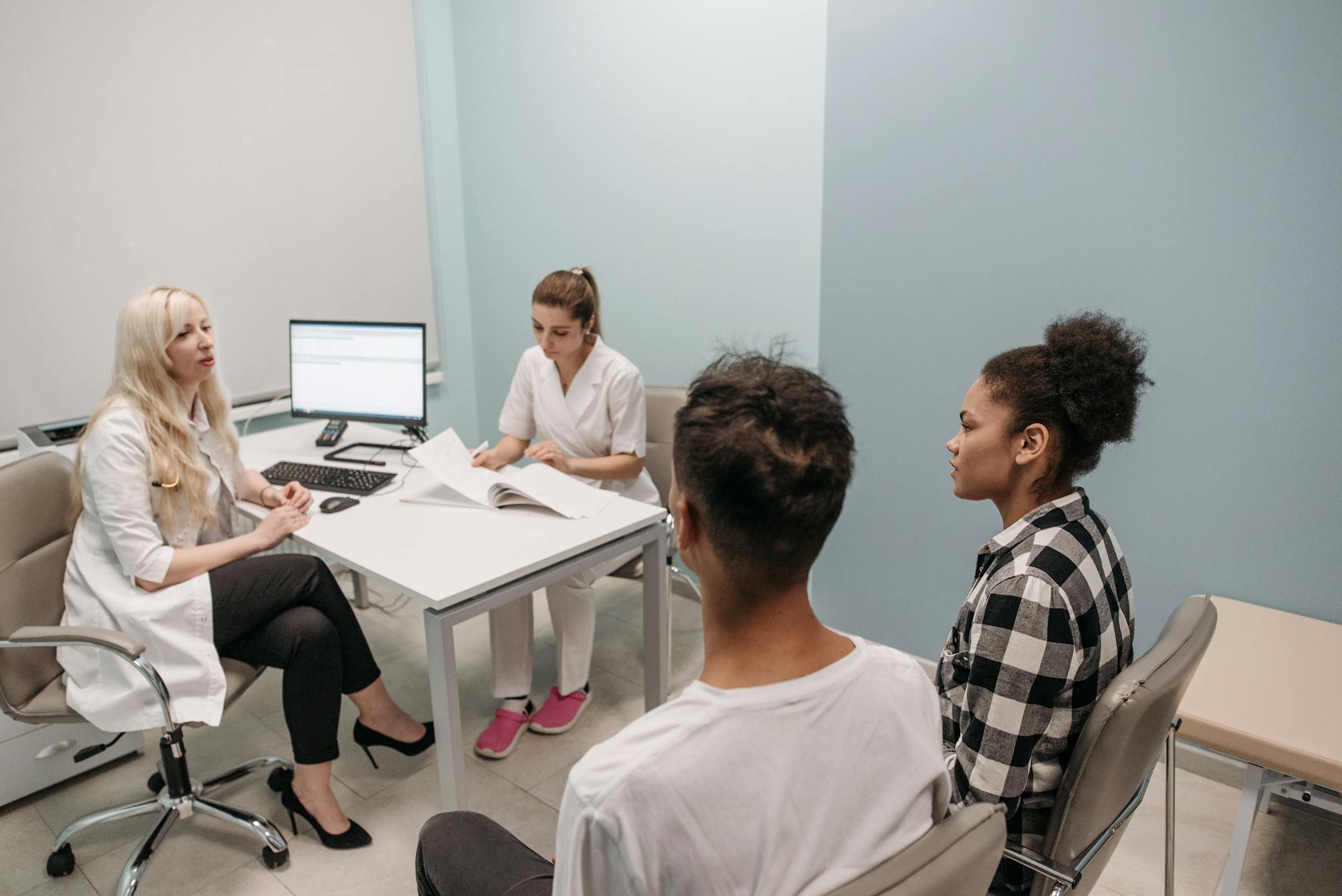
When most people hear the words community health center, they picture a basic clinic for primary care visits. But the reality is much richer than that. Community health center services span everything from dental cleanings to mental health counseling — and you pay only what you can afford, regardless of whether you have insurance. With more than 1,400 health centers and 14,000 service delivery sites across the country, there is likely one closer to you than you think.
If you are 55 or older and watching your healthcare costs carefully, this is a resource worth knowing inside and out. Here are seven services that many Americans are surprised to find available at their local community health center.
1. Dental Care on a Sliding-Scale Fee
Dental coverage is one of the biggest gaps for older Americans, especially those on Medicare, which does not cover routine dental care. Community health centers fill that gap. Most offer a full range of dental services including cleanings, fillings, extractions, and dentures. Because fees are based on your income and ability to pay, you will not be turned away simply because you cannot afford the full cost of care.
This is one of the most valuable and least publicized community health center services available to seniors today.
2. Vision Services and Eye Exams
Like dental, routine vision care is largely excluded from traditional Medicare coverage. Many community health centers offer eye exams and help with corrective lenses. Some centers work with partner organizations to provide glasses at reduced or no cost. If you have been putting off an eye exam because of the expense, this is a practical solution worth exploring.
3. Mental Health Counseling and Therapy
Mental health is physical health — and community health centers treat it that way. Behavioral health services are widely available at these facilities, including individual therapy, counseling, and psychiatric services. Depression, anxiety, grief, and loneliness are all issues that affect older adults at higher rates, and having access to affordable mental health support can make a genuine difference in quality of life.
Staff at community health centers are trained to care for the whole person, not just physical symptoms.
4. Substance Abuse Treatment and Recovery Support
Substance use disorders, including alcohol dependency and prescription drug misuse, affect millions of older Americans — yet this population often goes untreated due to stigma or cost. Community health centers provide substance abuse treatment services including counseling, medication-assisted treatment, and referrals to recovery programs. These services are offered with the same sliding-scale fee structure as all other care, so cost is not a barrier to getting help.
Community Health Center Services Go Beyond the Doctor's Office
5. Prenatal and Women's Health Care
For younger family members you may be supporting — a daughter, granddaughter, or other loved one — community health centers offer comprehensive prenatal care and women's health services. This includes pregnancy monitoring, family planning, and gynecological care. These services are available regardless of insurance status, which makes them a critical safety net for women who might otherwise go without care during pregnancy.
6. Chronic Disease Management
Managing conditions like diabetes, high blood pressure, heart disease, or asthma requires ongoing care — and the costs can add up fast. Community health centers specialize in helping patients manage chronic conditions through regular checkups, lab work, patient education, and care coordination. For older adults living on fixed incomes, this kind of consistent, affordable care can prevent costly hospitalizations and serious complications down the road.
Community health centers served more than 30 million patients in a recent year, many of them managing one or more chronic conditions. The sliding-scale model means that ongoing care stays accessible even when finances are tight.
7. Pharmacy and Prescription Assistance
Many community health centers operate on-site pharmacies or work with pharmacy assistance programs to provide medications at significantly reduced prices. Through the federal 340B Drug Pricing Program, qualifying health centers can offer prescription drugs at much lower costs than retail pharmacies. If you are struggling to afford your medications, ask your local health center whether they have a pharmacy or can connect you with prescription assistance.
Who Qualifies for Community Health Center Services?
That is the best part — almost everyone qualifies for at least some level of service. Community health centers serve:
- Uninsured individuals who have no health coverage
- Underinsured patients whose plans leave large gaps in coverage
- Medicare and Medicaid recipients
- People with private insurance who want affordable care options
- Rural and urban residents alike
You do not need to be low-income to use a community health center, but your income will determine what you pay on the sliding scale. Fees are calculated based on your household size and income, and no one is denied care because they cannot pay.
How to Find a Community Health Center Near You
Finding a location is straightforward. The Health Resources and Services Administration (HRSA) maintains an official locator tool at findahealthcenter.hrsa.gov. Simply enter your zip code to see centers in your area, what services they offer, and how to contact them.
When you call or visit for the first time, bring documentation of your income if you have it — things like a recent tax return, pay stub, or Social Security award letter. This helps the staff calculate your fee on the sliding scale. If you do not have documentation, do not let that stop you from going. Centers will work with you.
Take the Next Step Today
If you or someone you care about has been skipping dental appointments, putting off an eye exam, or avoiding mental health care because of cost, a community health center may be the answer you have been looking for. These federally funded clinics exist specifically to make quality healthcare accessible to everyone — and the range of community health center services available is far broader than most people realize.
Your next step: Visit findahealthcenter.hrsa.gov and search by zip code to find a location near you. You can also call HRSA's toll-free line at 1-877-464-4772 for help locating a center and learning what to expect at your first visit. Quality care that fits your budget is closer than you think.
Advertisement