Advertisement
Free Adult Education Programs Near You Are Closer Than You Think
Whether you never finished high school, want to sharpen your reading and math skills, or are looking to learn English, there are free adult education programs near you ready to help. These programs are available in communities all across the country, and they are open to adults of all ages — including those 55 and older. You do not need to be unemployed or meet a special income requirement to take advantage of many of these classes. All you need is the desire to learn.
Thanks to federal funding through the Workforce Innovation and Opportunity Act (WIOA), states are required to support adult education and literacy services. That means your local community college, public library, or community center may already be offering free classes right now. This guide will help you understand what is available and how to find programs in your area.
What Do Adult Education Programs Offer?
Adult education programs cover a wide range of learning goals. You do not have to be working toward a degree or a new job to participate. Many adults simply want to feel more confident reading a lease agreement, helping a grandchild with homework, or communicating more clearly in English. Here is what most programs offer:
- GED Preparation: Free classes that help you study for and pass the General Educational Development test, which is the equivalent of a high school diploma. Some programs also offer testing assistance.
- Basic Literacy: Help with reading, writing, and comprehension for adults who want to strengthen foundational skills.
- Numeracy Skills: Math classes focused on everyday uses like managing a budget, understanding bills, or calculating measurements.
- English as a Second Language (ESL): Conversational and written English classes for adults whose first language is not English. These classes often meet at flexible times to fit busy schedules.
- Digital Literacy: Many programs now include basic computer skills such as using email, browsing the internet safely, and completing online forms.
Who Are These Programs For?
Adult education programs are designed for anyone 18 years of age or older who is not currently enrolled in a traditional school. They are especially helpful for adults who:
- Did not complete high school and want to earn their GED or high school equivalency diploma
- Want to improve their reading, writing, or math skills for daily life
- Are new to the United States and want to learn or improve their English
- Are re-entering the workforce and want to update their foundational skills
- Simply want to keep their mind active and continue learning
There is no upper age limit. Adults in their 60s, 70s, and beyond regularly participate in these programs and benefit greatly from them.
Where to Find Adult Education Programs Near You
Finding adult education programs near you is easier than ever. Here are the best places to start your search:
Community Colleges
Your local community college is one of the best places to look. Most community colleges receive WIOA funding and offer dedicated adult education departments. Classes are typically held during the day, evenings, and sometimes on weekends to accommodate different schedules. Many are offered in person, and some are now available online or in a hybrid format.
To get started, visit your nearest community college in person or check their website. Look for a section labeled Adult Education, Continuing Education, or Workforce Development. Staff members can help you assess your needs and find the right class.
Public Libraries
Many public libraries host free adult literacy programs, tutoring services, and ESL conversation groups. Some partner with local nonprofits or use trained volunteer tutors to provide one-on-one support. Library programs tend to be informal and welcoming, which can make them a great first step if you feel nervous about returning to a classroom setting.
Ask your local librarian about any adult education resources available in the branch or through community partnerships. Libraries often post flyers and schedules for local programs even if they do not run the classes themselves.
Community Centers and Nonprofits
Local community centers, faith-based organizations, and nonprofits frequently offer adult education classes, especially ESL programs. These settings can feel more comfortable for adults who are not ready to walk into a college building. Programs run by nonprofits are often funded through the same WIOA system, meaning they are free to participants.
The National Directory: LINCS
The U.S. Department of Education runs the Literacy Information and Communication System (LINCS), which includes a state-by-state directory of adult education providers. You can search by state to find programs near you. This is one of the most reliable ways to locate officially funded programs in your community.
Visit the LINCS website at lincs.ed.gov to search for adult education providers in your state. You can also call your state's adult education office directly for local referrals.
What to Expect When You Enroll
Most programs start with a brief assessment to understand your current skill level. This is not a test you can fail — it simply helps instructors place you in the right class. From there, you will be matched with a program that fits your goals, whether that is passing the GED, reading more confidently, or holding a conversation in English.
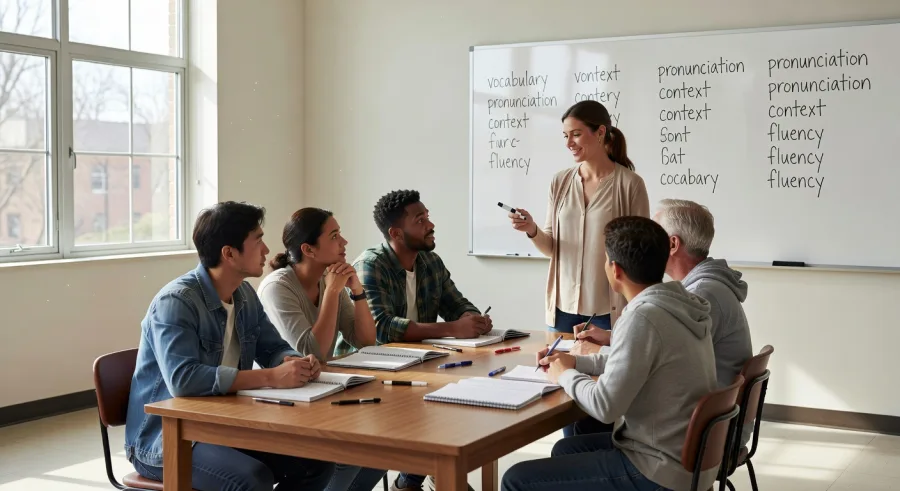
Classes are usually small and taught by trained instructors who specialize in working with adult learners. The pace is designed for adults, not teenagers, so you will never feel rushed or out of place. Many students find the experience empowering and even enjoyable once they get started.
Finding Adult Education Programs Near You: Take the First Step Today
It is never too late to learn something new or finish something you started years ago. Free adult education programs near you are funded by your tax dollars and are there for you to use. Whether you want to earn your GED, feel more confident with reading and numbers, or connect with your community in English, there is a program that can help.
Your next step: Visit lincs.ed.gov to find a list of adult education providers in your state. You can also call your local public library or community college and ask about free adult education classes. Do not wait — many programs have open enrollment and welcome new students throughout the year.
Advertisement