Advertisement
Missing a doctor's visit because you have no way to get there is more common than most people realize — and it can have serious consequences for your health. The good news is that free transportation for medical appointments is available through several programs designed specifically to help people who need a ride. Whether you are on Medicaid, living in a rural area, or simply without a car, you have options. Here are five ways to get to your next appointment without spending a dime.
1. Medicaid NEMT: Free Rides for Medical Appointments If You Qualify
If you are enrolled in Medicaid, you may already have access to one of the most comprehensive free transportation for medical appointments programs in the country. It is called Non-Emergency Medical Transportation, or NEMT, and it is a required benefit in every state's Medicaid program.
NEMT covers rides to and from a wide range of medical services, including:
- Primary care and specialist doctor visits
- Hospitals and urgent care centers
- Labs and diagnostic imaging
- Pharmacies to pick up prescriptions
- Dialysis and chemotherapy treatments
- Physical, occupational, and mental health therapy
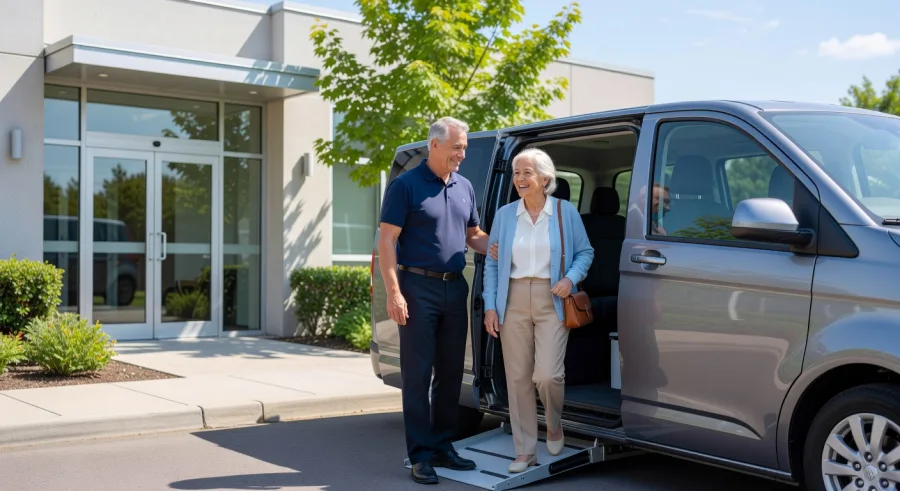
Depending on where you live, your ride might be provided by a sedan, wheelchair-accessible van, volunteer driver, or even a bus pass or ride-share service. The type of transportation offered varies by state and by your individual medical needs.
How to Access Medicaid NEMT
The process is straightforward, but you do need to plan ahead. Most states require you to schedule your ride at least two to three business days in advance. Here is how to get started:
- Call the member services number on your Medicaid card and ask about transportation benefits.
- Your plan will connect you with a transportation coordinator or a designated ride provider.
- Provide your appointment date, time, location, and any special needs such as a wheelchair or stretcher.
- Confirm your pickup time and write it down.
Important: NEMT is for non-emergency trips only. If you are having a medical emergency, call 911. Also keep in mind that the program covers medically necessary appointments — it generally does not cover trips for personal errands.
2. Area Agency on Aging Transportation Programs
Your local Area Agency on Aging (AAA) is a powerful resource for older adults, and many offer or coordinate free transportation for medical appointments. These agencies receive federal funding through the Older Americans Act and use it to connect seniors with services including rides to medical visits.
Transportation programs through AAAs may be operated directly by the agency or through partnerships with local nonprofits, volunteer organizations, or county transit systems. Eligibility requirements vary, but many programs prioritize adults aged 60 and older, particularly those with low incomes or disabilities.
To find your local AAA, visit the Eldercare Locator website at eldercare.acl.gov or call 1-800-677-1116. This free service connects you with local resources in your area within minutes.
2. Volunteer Driver Programs
Across the country, nonprofit organizations recruit and train volunteers to drive older adults and people with disabilities to medical appointments at no cost to the rider. These programs are especially valuable in rural and suburban communities where public transit is limited.
Some well-known organizations that coordinate volunteer driver programs include:
- ITNAmerica — a nonprofit network focused on transportation for older adults
- Faith-based organizations — many churches, synagogues, and mosques run informal or structured ride programs for members and neighbors
- Local nonprofits — search for programs through your city or county's senior services department
Volunteer drivers are typically background-checked and trained. Rides are usually scheduled in advance by phone, and some programs serve a wide geographic range. Contact your local AAA or 211 helpline to find volunteer driver programs near you.
3. Hospital and Health System Patient Transportation
Many hospitals, cancer centers, and large medical practices offer their own free transportation for medical appointments to patients who would otherwise have trouble getting there. These programs are often underadvertised, so it pays to ask directly.
When scheduling your next appointment, ask the scheduling staff or social worker these questions:
- Does the hospital offer a free shuttle or patient transportation service?
- Is there a social worker who can help arrange a ride?
- Do you partner with any local ride programs for patients?
Cancer treatment centers in particular often have robust transportation support because patients need frequent visits over many weeks. Do not assume the program does not exist just because it was not mentioned — ask every time.
4. Public Transit Subsidies and Paratransit Services
Most public transit systems in medium and large cities offer reduced fares for seniors and people with disabilities. But beyond discounted bus and subway passes, there is another important program to know about: paratransit.
Under the Americans with Disabilities Act, any transit agency that operates fixed-route public transportation must also provide complementary paratransit service. Paratransit offers door-to-door or curb-to-curb rides for people whose disability prevents them from using regular buses or trains.
- Fares are capped by federal rules at no more than twice the regular transit fare, and many local programs offer further subsidies.
- You must apply and be certified as eligible based on your disability.
- Rides must be scheduled in advance, usually one day ahead.
Contact your local transit authority to learn about paratransit eligibility and application in your area.
5. Ride-Share Assistance Programs
Companies like Uber and Lyft have partnered with healthcare organizations, insurers, and nonprofits to help patients get to appointments. In some states, Medicaid plans now use these platforms as part of their NEMT benefit. Separately, some hospitals and clinics have created accounts that allow staff to book a ride for a patient at no cost to the patient.
Additionally, programs like GoGoGrandparent allow older adults to access ride-share services by phone — no smartphone required. You call a number, request a ride, and a driver is dispatched. Some versions of this service are offered free or at reduced cost through health plan partnerships.
Ask your doctor's office, care coordinator, or health plan whether they participate in any ride-share assistance programs.
Do Not Let Transportation Stand Between You and Your Health
Skipping appointments because of a lack of transportation can lead to worsening health conditions, more expensive emergency care, and a lower quality of life. The programs above exist precisely to prevent that from happening. Many people do not know these resources are available — or assume they will not qualify. It is always worth making a phone call to find out.
Start with your Medicaid plan if you are enrolled, then check with your local Area Agency on Aging. Between the two, most people can find a free ride to their next appointment.
Your next step: Call 1-800-677-1116 (the Eldercare Locator) or visit eldercare.acl.gov to find transportation programs in your area. If you are on Medicaid, call the member services number on your insurance card and ask specifically about your Non-Emergency Medical Transportation benefit. Help is available — you just need to ask for it.
Advertisement