Advertisement
If you are 60 or older and looking for help stretching your grocery budget, the Commodity Supplemental Food Program (CSFP) could make a real difference every month. Finding a CSFP food distribution site near me is often the first step — and it can feel a little overwhelming if you have never done it before. The good news is that the process is simpler than most people expect, and this guide will walk you through exactly what to do, step by step.
What Is the CSFP and Who Can Participate?
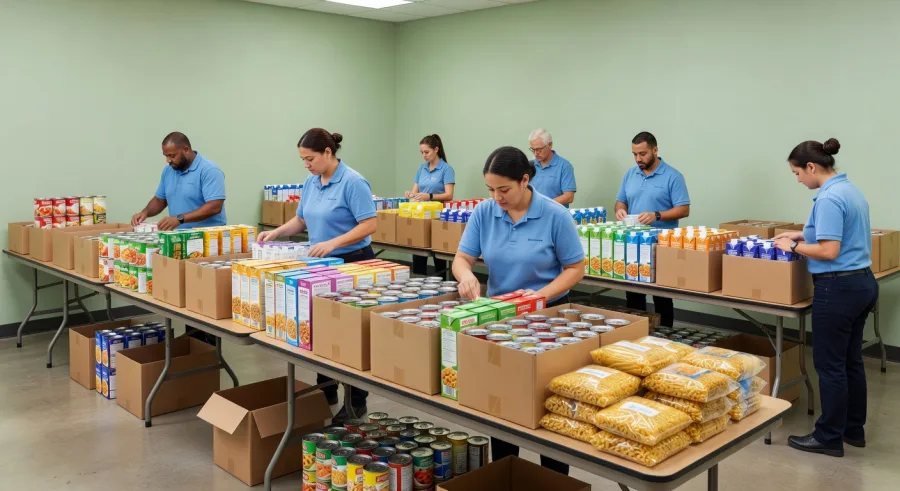
The CSFP is a federal nutrition program that provides monthly food packages to low-income adults age 60 and older. Each box typically includes a variety of shelf-stable staples such as canned fruits and vegetables, canned meat, cereal, pasta, cheese, juice, and shelf-stable milk. These packages are worth approximately $50 or more each month, depending on your state and the current food supply.
More than 700,000 seniors across the country currently participate in the program, and it is distributed through local food banks, community organizations, and other authorized agencies. Eligibility is based on income, and the specific income limits vary by state and household size. If you are unsure whether you qualify, it is always worth checking — many people are surprised to find they are eligible.
How to Find a CSFP Food Distribution Site Near Me
Locating a distribution site in your area does not require a lot of computer skills or hours on the phone. Here are the most reliable ways to find one:
1. Contact Your Local Food Bank
The easiest starting point is your local food bank. Most CSFP distribution is handled through the Feeding America network, which includes food banks in every state. You can visit the Feeding America website and use their food bank locator tool by entering your zip code. Once you find your local food bank, call them directly and ask whether they operate or know of a CSFP pickup location near you.
2. Call 2-1-1
Dialing 2-1-1 connects you to a free, confidential social services helpline available in most areas of the United States. The operators can help you locate CSFP distribution sites in your community and answer basic questions about eligibility. This is a great option if you prefer speaking with a real person rather than searching online.
3. Check With Your State Agriculture or Health Department
Each state has a CSFP administering agency, often connected to the state department of agriculture or a health and human services office. A quick online search for your state name plus the words CSFP program should bring up a contact page or list of approved distribution sites.
4. Ask at Senior Centers and Community Organizations
Local senior centers, Area Agencies on Aging (AAA), churches, and community organizations often have up-to-date information on where CSFP boxes are distributed in your neighborhood. Staff at these locations deal with these questions regularly and are usually happy to help.
Typical Pickup Schedules: What to Expect
Distribution schedules vary depending on the site and the organization running it. Some locations distribute boxes once a month on a set day, while others may have a short pickup window of just a few hours. It is important to confirm the exact schedule before your first visit so you do not miss the distribution date.
- Monthly distribution: Most sites hand out food packages once per month, often on the same day each month (for example, the second Tuesday of every month).
- Limited pickup windows: Some locations are only open for a few hours, so arriving early is a good habit, especially on your first visit.
- Drive-through options: Many sites offer drive-through pickup, which is convenient if you have mobility concerns or difficulty carrying heavy boxes.
- Home delivery in some areas: A limited number of programs offer delivery for seniors who are homebound. Ask when you call whether this option exists near you.
What to Bring to Your First CSFP Pickup
Before heading to a CSFP food distribution site near me for the first time, it is smart to gather a few documents and items. Requirements can vary slightly by location, but here is what most sites will ask for:
- Proof of age: A driver's license, state ID, passport, or birth certificate showing you are 60 or older.
- Proof of address: A utility bill, lease agreement, or piece of official mail with your current address.
- Proof of income: A recent bank statement, Social Security award letter, or similar document showing your monthly income. This helps confirm you meet the income guidelines.
- A bag or box: Some sites provide bags, but it is a good idea to bring your own reusable bags or a box to carry your food package home comfortably.
If you are unsure about what documents to bring, call the distribution site ahead of time. Staff members are there to help, and they would much rather answer your questions in advance than turn you away at the door.
What the First Visit Actually Looks Like
Many seniors feel nervous about visiting a food distribution site for the first time. It is worth knowing that these programs are designed to be welcoming, respectful, and straightforward. You will not face any judgment — these programs exist precisely because millions of older Americans have worked hard their whole lives and deserve a little help making ends meet.
When you arrive, a volunteer or staff member will typically check your documents and register you in the program if it is your first time. After that, you will receive your monthly food package. The whole process usually takes only a few minutes once you are registered. On your first visit, allow a little extra time for the initial enrollment paperwork.
Tip: Once you are enrolled, future pickups are even faster. Many sites recognize returning participants and have your information on file.
Find Your CSFP Food Distribution Site Near Me — Take the Next Step
You do not have to figure this out alone. If you think you or a loved one may qualify for the Commodity Supplemental Food Program, here is what to do right now:
- Dial 2-1-1 to speak with a local benefits specialist who can point you to distribution sites in your area.
- Visit the Feeding America website and use the food bank locator to find your nearest participating organization.
- Contact your local Area Agency on Aging by searching online for your county name plus Area Agency on Aging — they can connect you with CSFP sites and help you understand your eligibility.
A monthly box of nutritious food can go a long way toward easing grocery costs and keeping you healthy. Take a few minutes today to make the call or look up your local site — it could be one of the best decisions you make this month.
Advertisement