Advertisement
If you have heard about the Commodity Supplemental Food Program and tried to sign up, you may have run into an unexpected obstacle: a waitlist. The CSFP waitlist for seniors is one of the program's least-talked-about realities, and it catches many people off guard. The good news is that getting on the list is still worth doing, and there are ways to find food support while you wait.
What Is CSFP and Why Are There Waitlists?
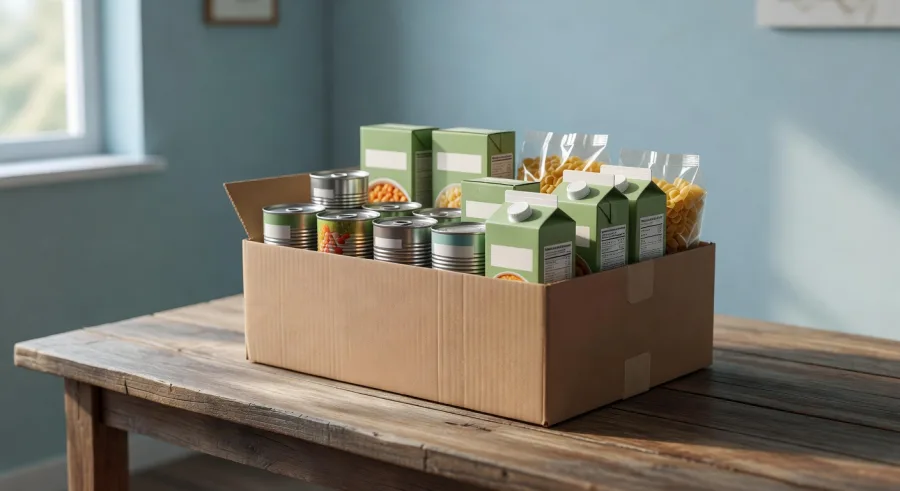
CSFP, short for the Commodity Supplemental Food Program, is a federally funded program that provides monthly food packages to low-income adults age 60 and older. Each box is stocked with shelf-stable staples like canned fruits and vegetables, canned meat, cereal, pasta, cheese, juice, and shelf-stable milk. The value of these boxes can reach $50 or more each month, making a real difference for seniors on fixed incomes.
Over 700,000 seniors across the country currently receive CSFP boxes. The program is popular for good reason — it delivers nutritious food directly to the people who need it most. But federal funding limits how many participants each local site can serve. When demand exceeds available spots, local agencies open waitlists rather than turn people away entirely. In many communities, especially urban areas and regions with large senior populations, those waitlists can stretch from several months to over a year.
How to Get on the CSFP Waitlist for Seniors
Even if you cannot receive a food box right away, getting your name on the waitlist is one of the most important steps you can take. Spots open up regularly as some participants move, pass away, or no longer qualify. Here is how to get started:
- Find your local CSFP distributor. CSFP is managed at the local level through food banks, community organizations, and faith-based agencies. The USDA does not operate a single national sign-up portal. You will need to contact a distributor in your area.
- Contact your regional food bank. Feeding America operates a network of food banks across the country. Calling or visiting your nearest Feeding America member food bank is often the fastest way to locate the CSFP site closest to you.
- Call 2-1-1. Dialing 2-1-1 connects you to a local helpline that can direct you to CSFP sites, food pantries, and other assistance programs in your area. This free service is available in most states.
- Ask about the waitlist process. Each site handles waitlists differently. Some keep a formal list with regular updates. Others ask you to check back periodically. Make sure you understand how your local site manages the process so you do not miss your turn.
- Confirm your eligibility. To qualify, you must be at least 60 years old and meet income guidelines set by the program. Income limits are based on a percentage of the federal poverty level and are updated periodically. Your local distributor can tell you the current thresholds for your area.
Tips for Staying on the Radar
Once you are on the waitlist, do not assume you will automatically be contacted when a spot opens. Some sites have limited staff and may move quickly through their list. Consider these steps:
- Follow up every few months to confirm you are still on the list and update your contact information if anything changes.
- Ask if there are multiple CSFP distribution sites in your county. You may be able to join more than one waitlist, which can shorten your overall wait time.
- Let someone you trust — a family member, neighbor, or caregiver — know that you are waiting so they can help you respond quickly when a spot becomes available.
What to Do While You Wait for a CSFP Spot
Being on the CSFP waitlist for seniors does not mean you are without options. Several other programs can help bridge the gap and keep food on your table in the meantime.
SNAP — Supplemental Nutrition Assistance Program
SNAP provides monthly benefits loaded onto an EBT card that you can use at most grocery stores and farmers markets. Many seniors who qualify for CSFP also qualify for SNAP, and the two programs can be used together once you are enrolled in both. You can apply for SNAP through your state's social services agency or online at the USDA's SNAP website. Benefits vary based on income and household size.
Local Food Pantries and Food Banks
Food pantries and community food banks can provide immediate relief. Unlike CSFP, most food pantries do not have long waitlists. Many do not require advance registration at all. Feeding America's food bank locator or a quick call to 2-1-1 can help you find one near you.
Senior Farmers Market Nutrition Program
This USDA program provides low-income seniors with coupons or vouchers to purchase fresh fruits, vegetables, and herbs at participating farmers markets, roadside stands, and community-supported agriculture programs. Availability varies by state and is typically seasonal, so check with your local Area Agency on Aging to see if it is offered near you.
Meals on Wheels and Congregate Meal Programs
If mobility or cooking ability is a concern, Meals on Wheels delivers nutritious meals directly to your home. Many senior centers also offer congregate dining programs where older adults can enjoy a meal in a social setting at little or no cost. These programs are coordinated through local Area Agencies on Aging.
Quick Tip: Your local Area Agency on Aging (AAA) is one of the best resources available to seniors navigating food assistance. They can help you find CSFP sites, apply for SNAP, locate meal programs, and identify other benefits you may be eligible for — all in one conversation.
Do Not Let a Waitlist Stop You
It can be discouraging to hear that a program you need has a waitlist. But the CSFP waitlist for seniors is not a closed door — it is a queue that moves. Seniors are added to the program every month as openings become available. The key is to get your name on the list as soon as possible and to use the resources around you while you wait.
Food assistance is not charity — it is a benefit that exists because you have earned it through a lifetime of work and contribution. There is no reason to go without when help is available.
Your Next Step
Start today by calling 2-1-1 to find CSFP distribution sites and food assistance programs in your area. You can also visit the Feeding America website to locate your nearest food bank and ask about CSFP enrollment and waitlists. If you are not already on SNAP, check your eligibility through your state's benefits portal or at the USDA SNAP website. Every step you take now moves you closer to the food support you deserve.
Advertisement