Advertisement
Why Downspout Drainage, Extensions, and Grading Matter More Than You Think
If you are a homeowner 55 or older, you already know that staying ahead of maintenance is one of the smartest financial moves you can make. When the time comes to replace your gutters, most people focus on the gutters themselves — and stop there. But here is the opportunity most homeowners miss: gutter replacement is the ideal moment to evaluate your entire water discharge path, from the roofline all the way to where water finally leaves your property. Getting downspout drainage extensions, grading, and water runoff management right for senior homeowners can mean the difference between a dry basement and a costly disaster.
This guide will walk you through why a full drainage review matters, what to look for, and how to make smart upgrades while your contractor is already on-site.
The Problem With Only Replacing the Gutters
New gutters are a great investment. They protect your foundation, siding, landscaping, and roof from water damage. Water damage from failing gutters can cost anywhere from $5,000 to $10,000 or more in foundation repairs alone — far more than the typical $1,000 to $3,000 cost of replacing your gutters on an average-sized home.
But here is what many homeowners discover too late: brand-new gutters that dump water right next to your foundation are only slightly better than no gutters at all. The water is still ending up in the wrong place — it has simply traveled a few extra feet to get there. That is why thinking about the full journey of water off your roof is so important.
Where Water Goes After It Leaves Your Downspout
Follow this path in your mind: rain hits your roof, flows into the gutters, travels down the downspout, and exits at the base of your home. From there, where does it go? If your answer is not a confident one, that is a sign your drainage system needs attention. Water that pools near your foundation can cause:
- Basement flooding and water intrusion
- Mold and mildew growth inside walls and crawl spaces
- Soil erosion around your home
- Foundation settling or cracking over time
- Damage to landscaping and garden beds you have carefully maintained
Downspout Extensions: The Easiest Upgrade to Make Right Now
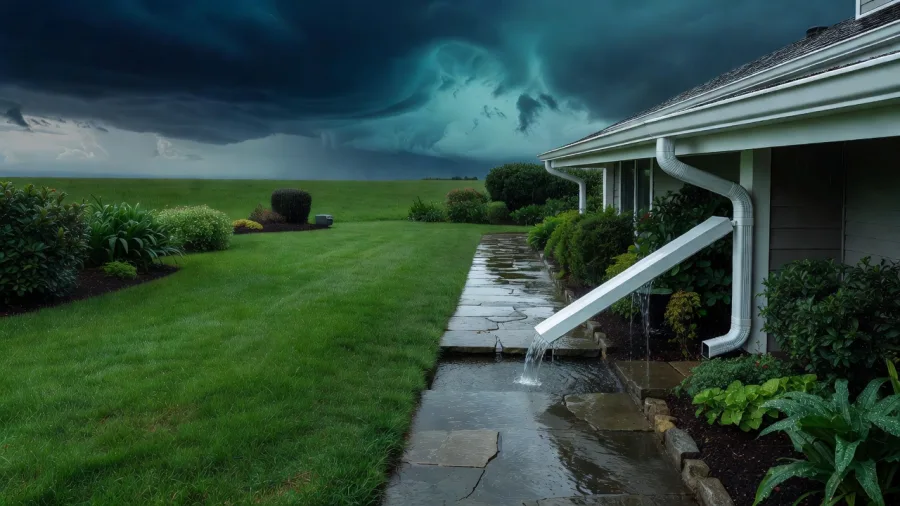
One of the simplest and most affordable improvements you can make during a gutter replacement is adding or upgrading your downspout drainage extensions. These are the pieces that attach to the bottom of each downspout and direct water away from your foundation before it can soak into the soil near your home.
Standard extensions carry water just a few feet away. But drainage experts often recommend directing water at least six to ten feet from your home's foundation for meaningful protection. Options include:
- Rigid aluminum or plastic extensions — affordable, easy to install, and effective for basic redirection
- Flexible corrugated pipe — can be routed around landscaping features or garden beds
- Underground drainage pipes — ideal for homeowners who want a clean look and maximum distance, with water directed to a drainage ditch, dry well, or street
- Pop-up emitter drains — buried pipes that open automatically when water flows through, releasing it far from the house
When your gutter contractor is already working around your home, adding downspout extensions is a natural add-on that costs relatively little compared to the protection it provides.
Grading: The Overlooked Foundation of Water Runoff Management
Even with perfect gutters and well-placed downspout extensions, water can still migrate back toward your home if your yard grading is working against you. Grading refers to the slope of the soil around your foundation. Ideally, the ground should slope away from your home — typically about six inches of drop for every ten feet of horizontal distance.
Over time, soil settles. Roots grow and shift the ground. Mulch piles up. Slowly, the grading that once protected your home may begin to funnel water back toward it. During your gutter replacement project, take a walk around your home after a rain and watch where puddles form. If water collects near your foundation walls, that is a grading problem worth addressing.
Simple Grading Improvements Senior Homeowners Can Explore
- Adding topsoil around the foundation perimeter to restore a proper outward slope
- Repositioning mulch or garden beds that have created low spots near the house
- Installing French drains or swales to redirect runoff away from problem areas
- Consulting a landscaper or drainage specialist if the grading issues are significant
Many of these fixes are surprisingly affordable, especially when bundled with existing contractor work. Getting quotes from two or three professionals while your gutter crew is already scheduled can save you a separate mobilization cost.
Seamless Gutters and Gutter Guards: Upgrade While You Are At It
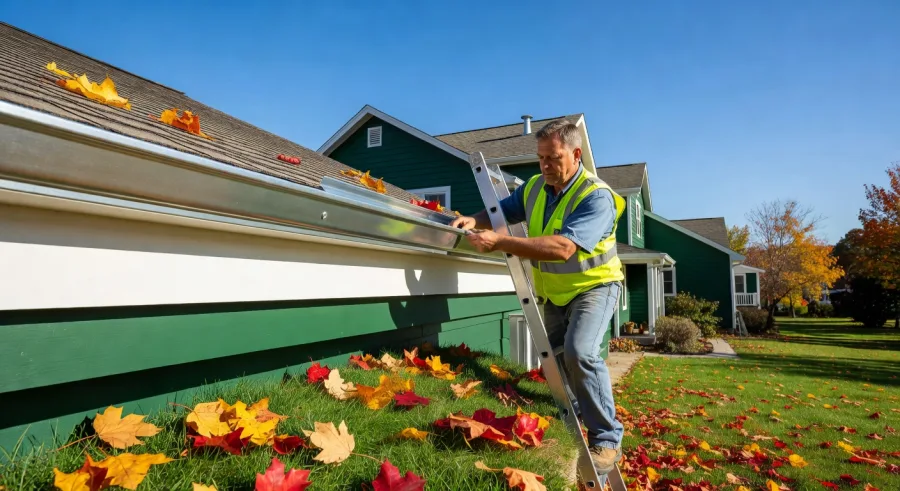
If you are replacing gutters, consider two upgrades that pay off over time. Seamless gutters are formed from a single continuous piece of material, which means fewer joints and far less chance of leaks. They tend to last longer than traditional sectional gutters and require less maintenance — an important consideration for homeowners who prefer to keep ladder climbing to a minimum.
Gutter guards are covers or inserts that prevent leaves, pine needles, and debris from clogging your gutters. Clogged gutters overflow and defeat the entire purpose of having gutters in the first place. Guards reduce the frequency of cleaning needed and help ensure water is always flowing where it should be, even during heavy storms.
Making This a Whole-System Upgrade, Not Just a Repair
The smartest approach for homeowners 55 and older is to treat gutter replacement not as a single repair but as the starting point for a whole-home water runoff management review. Ask your contractor to walk the property with you and evaluate:
- Whether downspout drainage extensions are long enough and well-positioned
- Whether underground drainage options make sense for your property
- How the grading looks around the foundation
- Whether seamless gutters and gutter guards are worth the upgrade cost for your situation
A good contractor will help you see the full picture — not just sell you on the job in front of them. If yours is not asking these questions, you may want to get a second opinion.
Your Next Step: Get a Full Drainage Assessment
Now is the time to act. Contact two or three licensed gutter and drainage contractors in your area and ask specifically for a full property drainage evaluation alongside your gutter replacement quote. Ask about downspout extensions, grading concerns, and underground drainage options. Many older adults also qualify for state or local home repair assistance programs that can help offset costs — check with your local Area Agency on Aging or your state housing authority to see what may be available in your area.
Protecting your home from water damage is one of the most valuable things you can do for your financial security in retirement. Start with the gutters, but do not stop there. Plan the full path water takes off your property, and you will be protecting your home for years to come.
Advertisement