Advertisement
Smart Home Improvements That Lower Your Insurance Premium
If you have been looking for ways to reduce what you pay for homeowners insurance, the answer might already be sitting on your to-do list. Certain home improvements lower insurance costs by making your home safer, stronger, and less risky to insure. Insurance companies reward homeowners who invest in their properties — and those rewards often show up as meaningful discounts on your annual premium. Whether you are planning a big renovation or a modest upgrade, knowing which projects qualify can help you make smarter decisions that pay off for years to come.
Why Home Improvements Matter to Your Insurer
Insurance is all about risk. The safer and more resilient your home is, the less likely your insurer is to pay out a claim — and they pass some of those savings back to you. That is the core logic behind improvement-based discounts. Insurers assess things like the age of your roof, the condition of your plumbing and electrical systems, and whether you have security measures in place. Upgrading these areas can shift your home into a lower-risk category and trigger real savings on your policy.
It is worth noting that discount amounts and eligibility rules vary by insurance company and by state. Always contact your insurer directly to ask which improvements qualify and how much you can save before you commit to a project.
Roofing Upgrades: One of the Biggest Discounts Available
Your roof is your home's first line of defense against wind, hail, and water damage — which are among the most common causes of homeowners insurance claims. Because of this, insurers pay close attention to the age and condition of your roof when setting your premium.
- New roof installation: Replacing an aging roof with a new one can lead to noticeable premium reductions, especially if your current roof is more than 15 to 20 years old. Some insurers even require a roof inspection before renewing coverage on older homes.
- Impact-resistant shingles: In states prone to hail and severe storms, switching to Class 4 impact-resistant roofing materials can qualify you for significant discounts. These shingles are built to withstand hail and high winds better than standard materials.
- Storm shutters and hurricane straps: If you live in a hurricane-prone region, adding storm shutters or reinforcing your roof with hurricane straps can reduce your premium — sometimes substantially. Florida and other coastal states often have formal discount programs tied to wind mitigation features.
Ask your insurer for a wind mitigation inspection after any roofing upgrade. This formal evaluation can officially document your improvements and unlock discounts you might not automatically receive.
Security Systems and Safety Features
Making your home harder to break into — or faster to respond to emergencies — is another proven way that home improvements lower insurance premiums. Insurers offer discounts for a range of security and safety upgrades.
Burglar Alarms and Monitored Security Systems
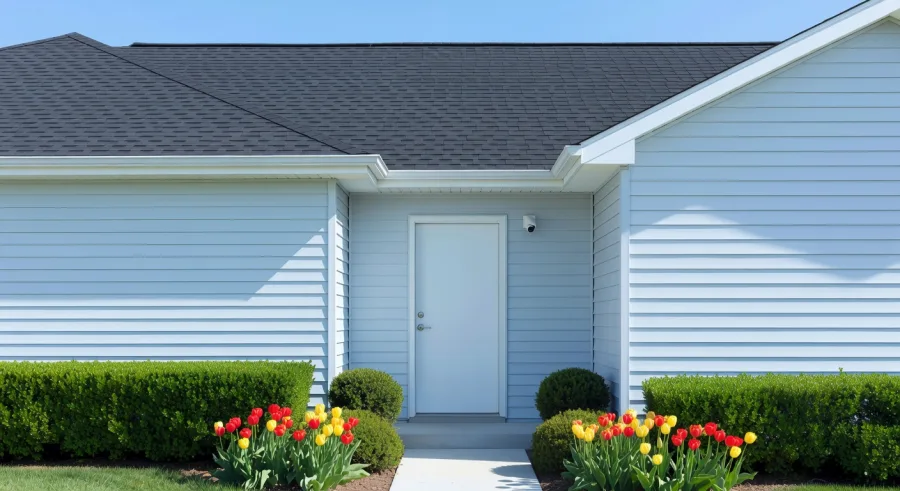
A basic burglar alarm may earn you a small discount, but a professionally monitored security system tends to qualify for larger savings. With a monitored system, an alarm company notifies the police or fire department on your behalf — reducing the chance of a major loss. Some insurers differentiate between locally-sounding alarms and centrally monitored ones, so check with your agent about which type qualifies for the best rate.
Smoke Detectors, Fire Alarms, and Sprinkler Systems
Fire is one of the most destructive events a home can face. Installing interconnected smoke detectors on every floor, upgrading to hardwired systems, or adding a home sprinkler system can all reduce your premium. Sprinkler systems in particular can lead to meaningful discounts because they dramatically limit fire damage when activated quickly.
Smart Home Devices
Many insurers now recognize smart home technology as a risk-reduction tool. Devices like water leak sensors, smart smoke detectors, and video doorbells can qualify for discounts with certain insurers. Some insurance companies have even partnered with smart home device makers to offer bundled savings. Ask your insurer whether they have a smart home discount program.
Plumbing and Electrical Upgrades
Outdated plumbing and electrical systems are among the hidden risk factors insurers watch closely. Older systems are more likely to cause water damage, fires, or costly claims — and your premium may reflect that risk.
- Replacing old pipes: Homes with galvanized steel or polybutylene pipes are more prone to leaks and bursts. Upgrading to copper or modern PEX piping can reduce your risk profile and may lower your rate.
- Updating your electrical panel: If your home still has a fuse box or outdated wiring like aluminum or knob-and-tube, your insurer may charge higher rates — or in some cases decline to insure the home at all. Upgrading to a modern electrical panel can resolve these issues and potentially lower your premium.
- Water shut-off devices: Automatic water shut-off systems detect leaks and cut off the water supply before serious damage occurs. Some insurers offer discounts for these devices because they dramatically reduce the severity of water damage claims.
How to Actually Claim These Discounts
Making improvements is only the first step — you also need to tell your insurer about them. Do not assume your insurance company will automatically update your rate after a renovation. Here is what to do:
- Call your insurer or agent and describe the improvements you have made.
- Ask specifically which discounts apply to your upgrades.
- Be prepared to provide documentation such as receipts, permits, or inspection reports.
- Request a formal policy review to ensure your coverage and premium reflect your home's current condition.
It is also a good idea to shop around after making major improvements. Because home improvements lower insurance risk, a competitor may offer you a better rate than your current insurer is willing to provide — especially if you have upgraded your roof, security, or systems in the past year or two. Shopping around can save 20% to 30% or more, so it is worth getting a few quotes.
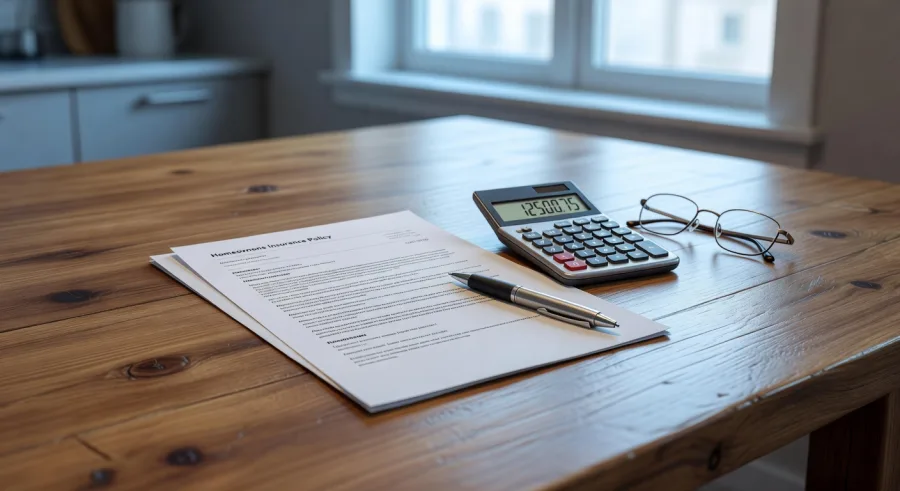
Tip: Review your homeowners insurance policy every year — not just when something changes. Annual reviews help you catch missing discounts, avoid being over-insured, and make sure your coverage still matches your home's actual value.
Take the Next Step Toward Lower Premiums
You do not have to wait for a major life event to save money on homeowners insurance. Start by making a list of recent or planned improvements and calling your insurance agent to ask which discounts you may already qualify for. Then consider getting quotes from at least two or three competing insurers to see whether you can do better. Many insurers allow you to get quotes online in just a few minutes — visit your state's insurance commissioner website to find licensed insurers in your area, or use a comparison tool to review multiple options side by side. A little effort now could mean hundreds of dollars in savings every year.
Advertisement