Advertisement
Millions of older Americans face a quiet, daily struggle: staying well-fed when leaving home is difficult or impossible. Whether it is a mobility issue, a recent illness, or simply the challenge of cooking for one, food delivery for homebound seniors is a real and growing need. The good news is that there are more programs than ever designed to bring nutritious meals right to your door — many at little or no cost. Here are five options worth knowing about.
1. Meals on Wheels: The Gold Standard for Food Delivery for Homebound Seniors
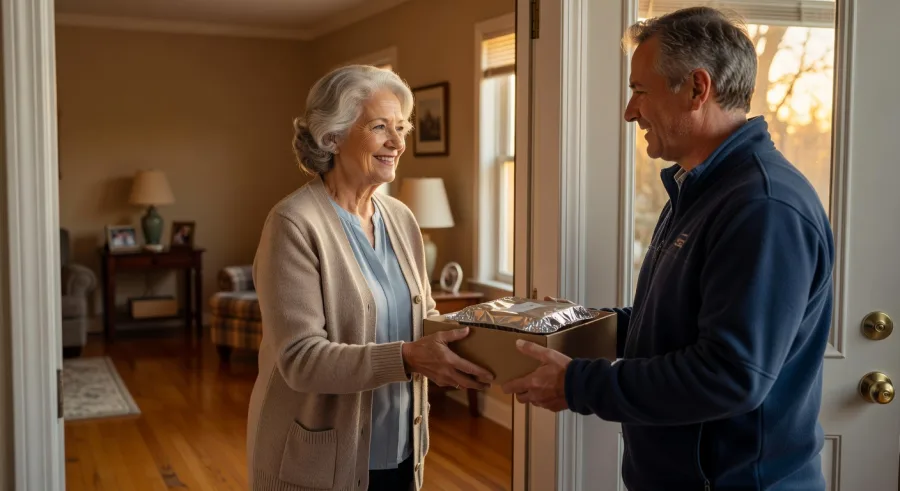
When most people think of home-delivered meals for older adults, Meals on Wheels is the first name that comes to mind — and for good reason. Operating through a nationwide network of more than 5,000 local programs, Meals on Wheels delivers hot, nutritious meals directly to the homes of seniors who have difficulty shopping or preparing food on their own.
What makes this program especially valuable is what comes along with the meal: a friendly face and a wellness check. Volunteers and staff who deliver meals often serve as an informal safety net, noticing if something seems off and alerting family members or local services when needed. For seniors living alone, that daily knock on the door can mean as much as the food itself.
- Cost: Often free or on a sliding scale based on income
- Who qualifies: Seniors who are homebound or have difficulty preparing meals — requirements vary by local program
- How to apply: Contact your local Meals on Wheels program directly or reach out to your Area Agency on Aging
Meals on Wheels serves millions of seniors every year and is available in virtually every county in the United States.
2. USDA Commodity Supplemental Food Program (CSFP)
The Commodity Supplemental Food Program, run by the U.S. Department of Agriculture, provides monthly food packages to low-income seniors aged 60 and older. These packages typically include shelf-stable items like canned fruits and vegetables, grains, protein foods, and dairy products.
While CSFP is not always a door-to-door delivery program, many local distribution sites do offer home delivery for participants who are unable to pick up their packages in person — making it a solid option for homebound seniors seeking food assistance. Availability and delivery options vary by location.
- Cost: Free to eligible participants
- Who qualifies: Adults 60 and older who meet income guidelines (thresholds vary by state and year)
- How to apply: Contact your local USDA Food and Nutrition Service office or visit the USDA website to find a nearby CSFP site
3. SNAP — Supplemental Nutrition Assistance Program
SNAP, formerly known as food stamps, is one of the largest food assistance programs in the country. Eligible seniors receive monthly benefits loaded onto an EBT card that can be used to purchase groceries. Many people do not realize that SNAP benefits can now be used for online grocery delivery through participating retailers — which makes this program increasingly useful for homebound seniors who cannot get to a store.
Seniors often qualify for SNAP at higher benefit levels and with fewer asset restrictions than younger adults, so it is always worth checking eligibility even if you have been turned down or discouraged in the past. Benefit amounts vary based on household size, income, and state of residence.
- Cost: Free to apply; benefits vary based on income and circumstances
- Who qualifies: Low-income individuals and households — seniors may qualify under special rules
- How to apply: Visit Benefits.gov or your state's SNAP agency website to apply online or request assistance
4. VA Home-Delivered Meals for Veterans
If you or your spouse is a veteran, the Department of Veterans Affairs may be able to help with home-delivered meals through VA-funded programs. The VA partners with community organizations — including local Meals on Wheels chapters — to provide meal delivery services to eligible veterans who are homebound or recovering from illness or surgery.
Eligibility and available services depend on your VA enrollment status, disability rating, and local VA medical center resources. This is one program that many eligible veterans simply do not know exists, so it is worth making a call to your local VA facility to ask specifically about food delivery programs for homebound veterans.
- Cost: May be free or low-cost depending on eligibility
- Who qualifies: Veterans enrolled in VA healthcare who are homebound or have difficulty preparing meals
- How to apply: Contact your local VA medical center and ask about home-delivered meal benefits or community care options
5. Local Senior Centers and Area Agencies on Aging
Beyond the big national programs, many communities have their own home-delivered meal services organized through local senior centers, nonprofit organizations, faith communities, or Area Agencies on Aging (AAAs). These programs are sometimes smaller and more personal — and they often fill gaps that larger programs cannot.
Your local Area Agency on Aging is one of the best first calls you can make. These agencies are specifically designed to connect older adults with services in their community, including food delivery for homebound seniors, transportation, in-home care, and much more. The Eldercare Locator, a free national service, can help you find your local AAA in minutes.
- Cost: Varies widely — many programs are free or donation-based
- Who qualifies: Typically adults 60 and older; some programs have additional criteria
- How to apply: Call the Eldercare Locator at 1-800-677-1116 or visit eldercare.acl.gov to find local resources
How to Get Started Today
If you or someone you love is struggling to get enough to eat at home, please know that help is available and you do not have to navigate this alone. Here are a few simple first steps:
- Call the Eldercare Locator at 1-800-677-1116 to find your local Area Agency on Aging
- Visit the Meals on Wheels America website to find your nearest local program
- Check SNAP eligibility at Benefits.gov — applying takes less time than most people expect
- If you are a veteran, call your local VA medical center and ask specifically about home-delivered meal options
You have earned these benefits. A nutritious meal delivered to your door is not charity — it is a resource your community has built for exactly this moment. Take the first step today and find out what is available in your area.
Advertisement