Advertisement
If you or a loved one is on Medicaid and needs a wheelchair, hospital bed, walker, or home oxygen equipment, there is something important you need to know before you spend a single dollar out of pocket: Medicaid durable medical equipment coverage for seniors may pay for all of it. Many people never ask, assume it is not covered, or buy equipment themselves only to find out later that Medicaid would have covered the cost entirely. This article explains what is covered, how to get it, and how to avoid the most common and costly mistakes.
What Is Durable Medical Equipment?
Durable medical equipment, often called DME, refers to medically necessary devices and supplies that help you manage a health condition or disability at home. The word durable means the equipment is built to last and used repeatedly over time, as opposed to single-use supplies.
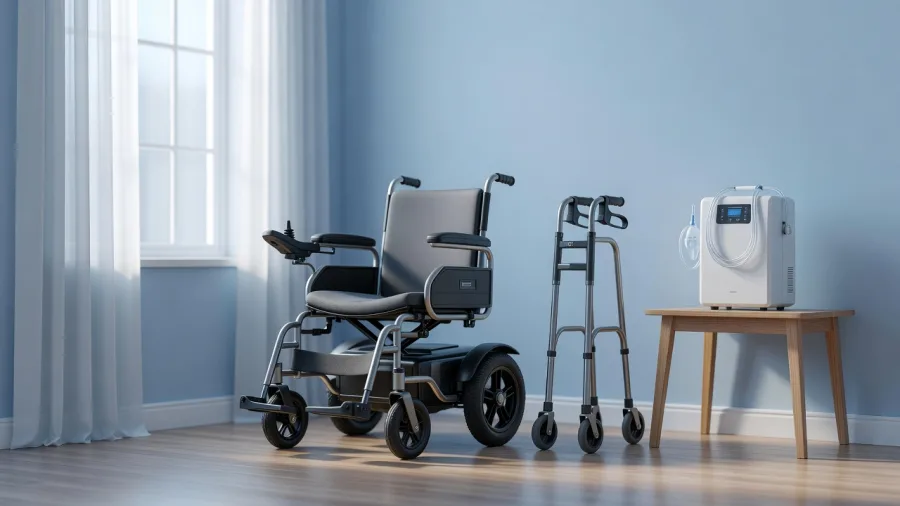
Common examples of DME that Medicaid may cover include:
- Manual and power wheelchairs
- Walkers, canes, and crutches
- Hospital beds for home use
- Home oxygen equipment and concentrators
- CPAP and BiPAP machines for sleep apnea
- Nebulizers for asthma and COPD
- Blood glucose monitors and diabetic supplies
- Commodes and shower chairs
- Stair lifts and wheelchair ramps (in some states)
- Prosthetics and orthotics
Coverage specifics vary by state, since Medicaid is managed jointly by the federal government and each individual state. What is covered in one state may require additional approval in another, so it always pays to ask your state Medicaid office directly.
Medicaid Durable Medical Equipment Coverage for Seniors: What You Need to Qualify
To receive DME through Medicaid, you generally need to meet two basic requirements: you must be enrolled in Medicaid, and the equipment must be deemed medically necessary by a licensed physician or other qualified healthcare provider.
Step 1: Get a Physician Order
The most important first step is talking to your doctor. Your physician must write an order stating that the equipment is medically necessary for your condition. Without this documentation, Medicaid will not approve coverage. When you visit your doctor, be specific about your needs. Describe your symptoms, limitations, and how the equipment would help you function safely at home. Ask your doctor to include a detailed explanation in the order, since vague requests are more likely to be denied or delayed.
Step 2: Work With a Medicaid-Enrolled Supplier
Once you have a physician order, you need to get the equipment from a supplier who is enrolled in your state's Medicaid program. This is a step many people miss. If you purchase equipment from a supplier that does not accept Medicaid, the program will not reimburse you. Before you agree to anything, ask the supplier directly: Do you accept my state's Medicaid plan? If they do not, ask your doctor or Medicaid caseworker for a referral to one that does.
Step 3: Navigate Prior Authorization
Many types of DME require prior authorization before Medicaid will approve coverage. This means your state Medicaid office must review and approve the request before the equipment is ordered or delivered. Prior authorization can take anywhere from a few days to several weeks depending on your state and the type of equipment involved.
To help the process move faster, make sure your physician submits thorough documentation, including your diagnosis, functional limitations, and why the specific piece of equipment is necessary. If a simpler or less expensive option would not meet your needs, your doctor should explain that clearly in writing.
If your request is denied, do not give up. You have the right to appeal the decision. Many denials are overturned on appeal, especially when additional medical documentation is provided.
The Costly Mistake You Need to Avoid
One of the most common and painful situations we hear about is when a senior or family member purchases equipment out of pocket, sometimes spending hundreds or even thousands of dollars, only to find out afterward that Medicaid would have covered it. Medicaid generally does not reimburse you for equipment you bought before getting approval, even if you technically qualified for coverage.
Always check with Medicaid and your doctor before purchasing any durable medical equipment. Even if it seems like a small or simple item, the program may cover it at no cost to you.
This applies to items you might not think of as big-ticket purchases, including diabetic testing supplies, orthopedic braces, and even certain types of specialty footwear for people with diabetes.
Special Equipment Categories Worth Knowing About
Home Oxygen and Respiratory Equipment
If you have COPD, emphysema, or another respiratory condition, Medicaid may cover home oxygen concentrators, portable oxygen units, nebulizers, and related supplies. Your doctor will need to document your oxygen levels and diagnosis. In many cases, Medicaid also covers the ongoing supply costs, not just the initial equipment.
Power Wheelchairs and Mobility Devices
Power wheelchairs and scooters are among the more complex items to get approved, but they are absolutely covered for qualifying individuals. You will typically need an evaluation from a physical or occupational therapist in addition to your physician order. The evaluation documents why a manual wheelchair would not be sufficient for your needs.
Hospital Beds for Home Use
If you have a condition that makes it unsafe or medically necessary to sleep or rest in a standard bed, your doctor can prescribe a hospital bed for home use. These are adjustable beds that help manage conditions like severe acid reflux, heart failure, or recovery from surgery. Prior authorization is usually required, and your doctor will need to document the medical necessity clearly.
Medicaid Durable Medical Equipment Coverage for Seniors: How to Get Started
Getting the DME you need starts with a conversation with your doctor and your state Medicaid office. Here is a quick checklist to keep you on track:
- Talk to your doctor about your need and ask for a detailed physician order
- Contact your state Medicaid office to confirm coverage for your specific equipment
- Ask for a list of Medicaid-enrolled suppliers in your area
- Submit prior authorization paperwork with thorough medical documentation
- Do not purchase any equipment until you have received approval
- If denied, file an appeal with additional supporting documentation
Take the Next Step Today
You do not have to manage mobility challenges, breathing difficulties, or recovery needs on your own, and you should not have to pay out of pocket if Medicaid can cover your equipment. The process takes some patience, but the financial relief can be significant.
To find out what durable medical equipment your Medicaid plan covers and how to apply, visit your state's Medicaid office website or go to Medicaid.gov to find contact information for your state. You can also call 1-800-MEDICARE (1-800-633-4227) for general guidance, or reach out to a local benefits counselor through your State Health Insurance Assistance Program (SHIP) for free, personalized help navigating your options.
Do not buy first and ask later. Check your coverage, get your physician order, and let Medicaid work for you.
Advertisement