Advertisement
Millions of Americans 55 and older are enrolled in Medicaid — and many of them have no idea that their coverage extends far beyond doctor visits and prescriptions. Medicaid durable medical equipment coverage for seniors can pay for wheelchairs, hospital beds, oxygen machines, and in some states, even home modifications like wheelchair ramps and grab bars. Yet thousands of eligible seniors pay out of pocket every year for items Medicaid would have covered — simply because they did not know to ask.
If you or a loved one relies on Medicaid and needs medical equipment or safety modifications at home, this guide will walk you through exactly what may be available, how to get items approved, and how to avoid leaving money on the table.
What Is Durable Medical Equipment and Why Does It Matter for Seniors?
Durable medical equipment — often called DME — refers to medically necessary devices and equipment prescribed by a doctor to help a patient manage a health condition or disability at home. For seniors, this category of coverage can be life-changing.
Common items that fall under Medicaid durable medical equipment coverage for seniors include:
- Manual and power wheelchairs
- Walkers, canes, and crutches
- Hospital-style beds for home use
- Oxygen equipment and concentrators
- Nebulizers for breathing treatments
- Blood glucose monitors and testing supplies
- CPAP and BiPAP machines for sleep apnea
- Prosthetics and orthotics
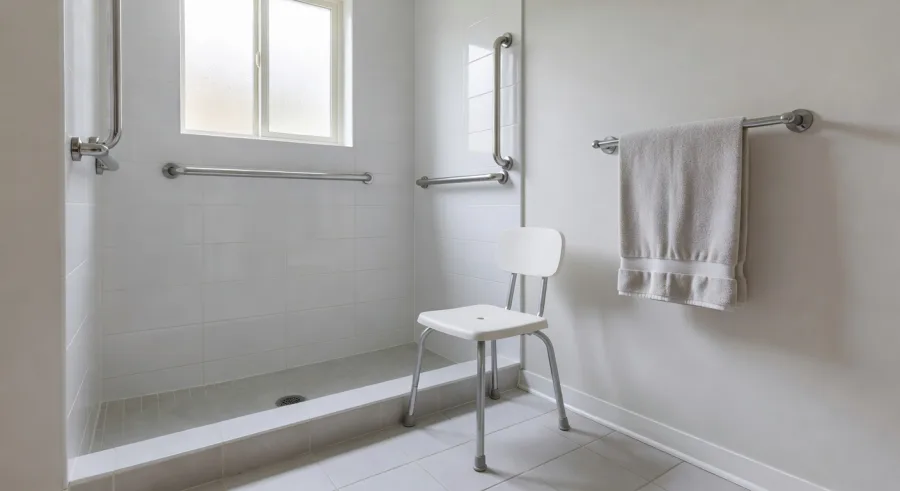
- Bathroom safety equipment such as shower chairs and raised toilet seats
The key word here is medically necessary. Medicaid does not cover equipment simply because it would be convenient or helpful in a general sense. A licensed healthcare provider must document that the item is required to treat or manage a diagnosed medical condition.
Home Modifications: A Benefit Many Seniors Never Knew Existed
Beyond equipment, some Medicaid programs go a step further by helping pay for physical changes to a senior's home — often called home modifications or home accessibility modifications. These can include:
- Wheelchair ramps and widened doorways
- Grab bars in bathrooms and hallways
- Roll-in showers or walk-in tub conversions
- Stair lifts or vertical platform lifts
- Non-slip flooring or threshold ramps
This type of benefit is typically not part of standard Medicaid. Instead, it is usually offered through Medicaid Home and Community-Based Services (HCBS) Waivers — special programs that states run to help elderly and disabled individuals remain living at home rather than moving into a nursing facility. These waivers vary significantly from state to state, and not every state offers the same modifications or the same funding levels.
Many seniors assume that if they need a ramp or grab bars, they have to pay for it themselves or rely on family. But in many states, Medicaid waiver programs exist specifically to fund these modifications — because keeping someone safely at home is often far less expensive than nursing home care.
Why So Many Seniors Pay Out of Pocket — and How to Avoid It
The most common reason seniors miss out on Medicaid durable medical equipment coverage for seniors is simply not knowing to ask. Here are the most frequent gaps:
- No doctor referral or documentation: If your doctor does not write a prescription or letter of medical necessity, Medicaid will not approve the equipment — even if you clearly need it. Always ask your doctor to document your need in writing.
- Using a non-approved supplier: Medicaid requires that DME be purchased or rented through an approved, enrolled provider. Buying from a regular store or unapproved vendor means Medicaid will not reimburse the cost.
- Not knowing about waiver programs: Home modification benefits are buried inside optional state waiver programs that many beneficiaries have never heard of. You often have to specifically ask your state Medicaid office whether a waiver program is available in your area.
- Assuming denial is final: Medicaid decisions can be appealed. If a piece of equipment is denied, you have the right to request a fair hearing — and with additional documentation from your doctor, approvals are often granted on appeal.
How to Get Medicaid to Cover Your Equipment or Home Modification
Step 1: Talk to Your Doctor First
Start with your primary care physician or a specialist who treats your condition. Explain what equipment or modification you need and why. Ask them to write a detailed letter of medical necessity. The more specific the documentation, the better your chances of approval.
Step 2: Contact Your State Medicaid Office
Each state runs its own Medicaid program, so coverage details, approved suppliers, and available waiver programs differ. Call your state Medicaid office directly and ask specifically about DME coverage and any HCBS waiver programs for seniors or people with disabilities. You can find your state's contact information at Medicaid.gov.
Step 3: Use an Approved DME Supplier
Your state Medicaid office or your managed care plan can provide a list of approved durable medical equipment suppliers. Before purchasing or renting any equipment, confirm that the supplier is enrolled in your state's Medicaid program.
Step 4: Submit the Prior Authorization Request
Many DME items require prior authorization — meaning Medicaid must approve them before you receive the equipment. Your doctor's office or the DME supplier can often help submit this paperwork. Do not skip this step, as skipping it is one of the most common reasons claims are denied.
Step 5: Appeal If You Are Denied
If your request is denied, do not give up. Read the denial letter carefully — it will explain the reason. Ask your doctor to provide additional documentation addressing that reason, then file a formal appeal. Many denials are reversed with the right supporting information.
Medicaid Durable Medical Equipment Coverage for Seniors: A Benefit Worth Pursuing
Staying safe and independent at home is a priority for most Americans as they age — and the cost of equipment and home modifications can add up quickly. The good news is that Medicaid durable medical equipment coverage for seniors is a real, available benefit that can reduce or eliminate those costs for eligible individuals. The challenge is knowing it exists and knowing how to navigate the system.
Whether you need a wheelchair, a hospital bed, a grab bar installation, or a wheelchair ramp, there may be a Medicaid benefit that can help — and it costs nothing to ask.
Your Next Step
Do not assume Medicaid will not cover what you need. Start the conversation today. Visit Medicaid.gov to find your state's Medicaid office contact information, or call 1-800-318-2596 (the Healthcare.gov helpline) to get connected with local assistance. If you are not yet enrolled in Medicaid, you can check your eligibility and apply at Healthcare.gov or through your state's Medicaid portal. A benefits counselor can also walk you through available waiver programs in your area at no cost to you.
Advertisement