Advertisement
Affordable Mental Health Care for Seniors on Fixed Incomes Is Closer Than You Think
If you have been putting off talking to someone about depression, anxiety, grief, or a drinking problem because you cannot afford a therapist or rehab program, you are not alone. Millions of older Americans on fixed incomes quietly carry these burdens because they believe professional help is simply out of reach financially. The good news is that a nationwide network of federally funded clinics called Community Health Centers (CHCs) offers licensed behavioral health services — including counseling, depression treatment, and substance use care — using the same sliding-scale fee structure as a regular doctor visit. That means you pay based on what you can afford, not based on a fixed price set by a private practice.
Why So Many Older Adults Go Without Mental Health Support
There are two major reasons older adults tend to avoid seeking mental health or substance use care: cost and stigma. On the cost side, a single session with a private therapist can run anywhere from $100 to $300 or more, and many therapists do not accept Medicare or Medicaid. For someone living on Social Security or a small pension, that price tag is simply not realistic.
On the stigma side, many people in the 55-and-older generation grew up in a time when mental health struggles were not openly discussed. Admitting to depression, anxiety, or a problem with alcohol or prescription medications can feel like admitting weakness — especially when that was the cultural message for decades. But those attitudes have changed, and so has the availability of help.
It is worth stating clearly: struggling with your mental health or with substance use is not a character flaw. Depression rates among older adults are high, grief is common after losing a spouse or close friends, and problems with alcohol or medications can develop gradually later in life. Seeking care is a sign of strength, not weakness.
What Behavioral Health Services Do Community Health Centers Provide?
Community Health Centers are required to offer a broad range of health services, and many include a full behavioral health department staffed by licensed professionals. Depending on your local center, services may include:
- Individual counseling and therapy for depression, anxiety, grief, and trauma
- Psychiatric evaluation and medication management for conditions like major depression or bipolar disorder
- Substance use treatment, including counseling for alcohol use, opioid use, and prescription drug dependency
- Group therapy and peer support programs
- Crisis intervention services in some locations
- Integrated care — meaning your behavioral health provider works alongside your primary care doctor in the same facility
That last point matters more than it might seem. When your mental health provider and your medical provider are in the same place and sharing your care, you get more coordinated treatment. For older adults managing chronic conditions like diabetes, heart disease, or chronic pain — which are closely linked to depression and anxiety — this integrated approach can make a real difference.
How the Sliding-Scale Fee Works for Mental Health Visits
The sliding-scale fee at a Community Health Center applies to all services, including behavioral health appointments. You are not charged a flat rate. Instead, the center uses your household income and family size to calculate what you owe. People with very low incomes may pay little or nothing. Others pay a modest fee that is well below market rates for private therapy.
Importantly, you do not need insurance to receive care. CHCs serve patients who are uninsured, underinsured, on Medicare, on Medicaid, or covered by private insurance. If you do have Medicare or Medicaid, the center will bill your coverage first — but the sliding-scale protection still applies to any costs you might otherwise owe out of pocket.
The fee structure varies by location, so the exact amount you might pay depends on your specific center and your income. But the law requires every federally funded health center to offer this reduced-cost option to patients who need it.
Affordable Mental Health Care for Seniors on Fixed Incomes: What to Expect at Your First Visit
If you have never been to a Community Health Center before, here is a general idea of what the process looks like:
- Call or visit the center to schedule an intake appointment. Many centers now offer online scheduling as well.
- Bring documentation of your income — such as a recent Social Security award letter, tax return, or pay stub — so the center can determine your fee level.
- Complete an intake form that covers your health history and current concerns, including any mental health or substance use issues.
- Meet with a care team member who will help connect you to the right services, whether that is a counselor, a psychiatrist, a primary care doctor, or all three.
You are not required to have a referral from another doctor. You can contact a Community Health Center directly on your own.
You Deserve Support — Here Is How to Find Your Nearest Center
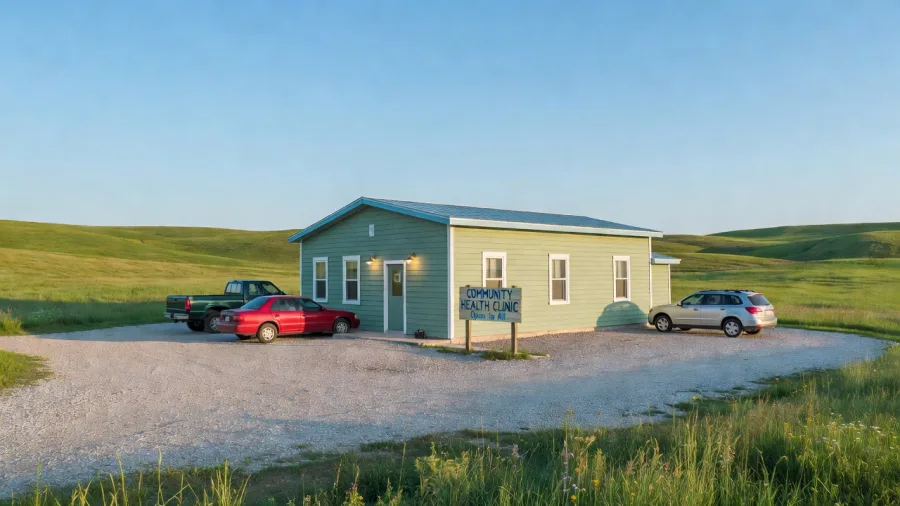
There are more than 1,400 Community Health Centers operating across the United States, with over 14,000 service delivery sites in urban neighborhoods, rural towns, and tribal communities. Chances are there is one within a reasonable distance of where you live.
The federal government maintains a free, searchable locator tool specifically for finding Community Health Centers near you.
Finding a center near you takes just a few minutes. The Health Resources and Services Administration (HRSA) maintains a free online locator at findahealthcenter.hrsa.gov where you can search by zip code or city. You can also call 1-877-464-4772 (the HRSA Information Center) if you prefer to speak with someone directly.
Take the First Step Today
Living with untreated depression, unresolved grief, or a substance use problem takes a real toll — on your health, your relationships, and your quality of life. You should not have to choose between getting help and paying your bills. Affordable mental health care for seniors on fixed incomes exists, and Community Health Centers are one of the most accessible ways to get it.
Visit findahealthcenter.hrsa.gov today, enter your zip code, and find the closest location to you. Then call and ask specifically about their behavioral health services and sliding-scale fees. That one phone call could be the most important step you take this year.
Advertisement