Advertisement
If you or a loved one has a disability and wants to stay at home rather than move to a nursing facility, you may already know about Medicaid waiver programs. But here is something many people do not realize: Medicaid waiver home modifications and accessibility coverage can pay for wheelchair ramps, grab bars, widened doorways, and other safety upgrades that make independent living possible. These benefits can be worth tens of thousands of dollars in services each year, and they are available in every state. This guide will walk you through what may be covered, how to request these services, and what to do if a modification gets denied.
What Are Medicaid Waiver Home Modifications?
Medicaid waiver programs — formally called Home and Community-Based Services (HCBS) waivers — are state-run programs that allow people with disabilities to receive care at home instead of in an institution. Many of these programs include a benefit category specifically for environmental modifications, sometimes called E-mods or home accessibility modifications.
The goal is straightforward: if your home is not physically accessible, you cannot safely live there independently. A waiver program may fund the changes needed to make your home work for you. The specific modifications covered, the dollar limits, and the eligibility rules vary from state to state, so it is important to check your own state's waiver details.
Common Home Modifications That May Be Covered
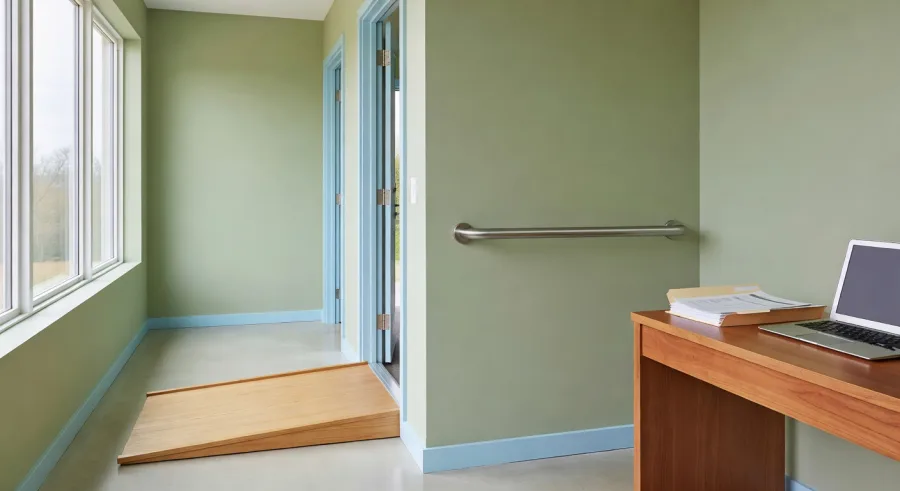
- Wheelchair ramps — exterior and interior ramps to allow safe entry and movement
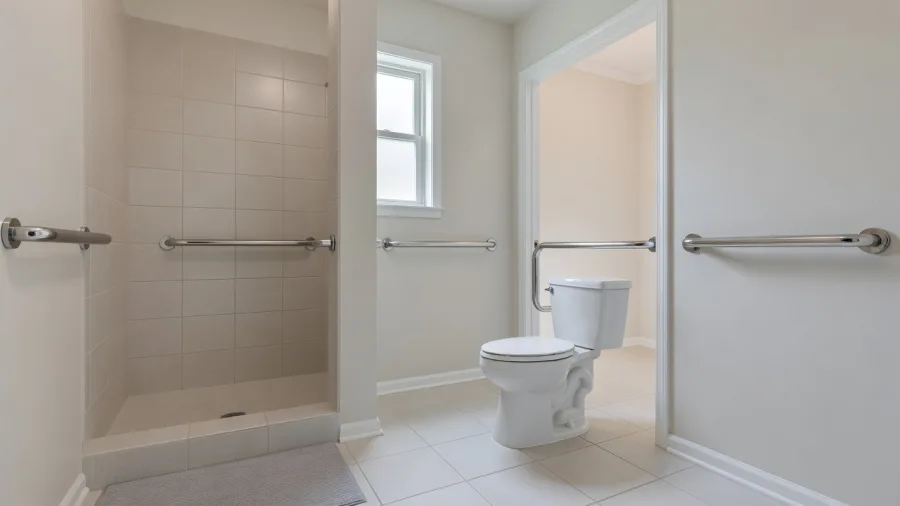
- Grab bars and handrails — installed in bathrooms, hallways, and near stairs
- Widened doorways — to accommodate wheelchairs or walkers
- Roll-in showers or walk-in tubs — accessible bathing solutions
- Lowered countertops or cabinets — for individuals who use wheelchairs
- Stair lifts or platform lifts — to allow access between floors
- Lever-style door handles and faucets — easier to operate for those with limited hand strength
- Non-slip flooring — to reduce fall risk
- Porch or entryway lighting improvements — for safety at night
Not every waiver program covers all of these items, and some states cap the total amount available for home modifications per year or over the lifetime of the waiver. Always confirm the details with your state Medicaid agency or a waiver case manager.
Who Qualifies for Medicaid Waiver Home Modifications and Accessibility Coverage?
To access home modification benefits, you first need to qualify for a Medicaid waiver program. Eligibility generally requires that you:
- Meet your state's Medicaid income and asset limits
- Have a qualifying disability or functional need — such as a physical disability, traumatic brain injury, or age-related condition that limits daily activities
- Require a level of care that would otherwise mean placement in a nursing facility or other institution
Once you are enrolled in a waiver program, your care plan will outline the services you are approved to receive. Home modifications are typically requested through your care coordinator or case manager as part of your individual service plan.
One important note: Many Medicaid waiver programs have waiting lists. In some states, people wait months or even years before receiving services. The sooner you apply, the sooner you can get your place in line.
How to Request Home Modifications Through Your Waiver
If you are already enrolled in a waiver program, here is how to get the process started:
- Contact your case manager or care coordinator. This person manages your service plan and can tell you whether home modifications are covered under your specific waiver and what the process looks like in your state.
- Request a home assessment. Most programs require an in-home evaluation by an occupational therapist or certified home modifier who will document the accessibility barriers in your home and recommend specific modifications.
- Get a written recommendation. The occupational therapist's report is usually a key piece of documentation. It should clearly explain why each modification is medically necessary for your safety and independence.
- Obtain contractor estimates. Many programs require two or three competitive bids from licensed contractors before approving work. Your case manager can often help you find pre-approved vendors.
- Submit a formal request for prior authorization. Your case manager will typically submit this on your behalf, along with the assessment report and cost estimates.
Documentation That Strengthens Your Request
Having the right paperwork can make the difference between an approval and a delay. Gather the following before your assessment:
- Your diagnosis and medical records related to your disability or condition
- A letter from your doctor explaining your functional limitations and why specific home changes are necessary
- Any incident reports or documentation of falls or injuries at home
- Photos of the areas in your home that present safety challenges
What to Do If a Home Modification Is Denied
If your request for a home modification is denied, do not give up. Denials happen, but you have the right to appeal. Here is how to move forward:
- Read the denial letter carefully. It must explain the specific reason the modification was denied — usually because the program deemed it not medically necessary, not covered under your waiver, or over the spending cap.
- Request a fair hearing. Every Medicaid recipient has the right to appeal a denial through a formal hearing process. The denial letter should include instructions on how to request one and the deadline for doing so — typically within 30 to 90 days.
- Gather stronger documentation. Ask your doctor to write a more detailed letter explaining why the modification is medically necessary. An updated occupational therapy report can also strengthen your case.
- Contact a disability rights organization. Many states have nonprofit advocacy groups and legal aid organizations that assist people in appealing Medicaid decisions at no cost.
Tip: If your modification is denied as not medically necessary, the key is showing — through medical records, therapist reports, and physician letters — that without the modification, you face a genuine risk of injury or institutional placement.
Other Resources to Consider Alongside Your Waiver
If your waiver has a cap on home modification funds or does not cover a specific upgrade, there are other programs that may help fill the gap:
- HUD Community Development Block Grants (CDBG) — local governments often use these funds for accessibility modifications for low-income residents
- Area Agency on Aging (AAA) — your local AAA may offer home repair and modification assistance programs
- USDA Section 504 Home Repair Program — provides grants and loans for accessibility improvements in rural areas
- State-specific programs — many states have their own independent living funds or weatherization programs that include accessibility components
Take the First Step Today
Medicaid waiver home modifications and accessibility coverage can be a lifeline for people who want to remain safely in their own homes. The process takes some patience, but the payoff — a home that works for your needs, in a community you know — is well worth it.
Your next step: Visit Medicaid.gov/home-community-based-services to find your state's HCBS waiver programs, or call your state Medicaid office directly to ask about home modification benefits and how to apply. If you are not yet enrolled in a waiver program, contact your local Area Agency on Aging or disability services office to start the application process as soon as possible. The earlier you apply, the sooner you can access the services you need.
Advertisement