Advertisement
The Hidden Safety Net for Window Replacement: Homeowners Insurance Claims for Seniors
If your windows are cracked, warped, or letting in drafts, your first instinct might be to call a contractor and start writing checks. But before you do, there's a step that many homeowners — especially those 55 and older — almost always skip: checking whether your homeowner's insurance policy will cover part or all of the replacement cost. Making a homeowners insurance claim for window replacement is something seniors often overlook, and it can mean the difference between paying full price and paying very little out of pocket.
This guide walks you through how to identify whether your window damage qualifies as an insurable loss, how to approach the claims process strategically, and how to layer any insurance payout on top of available tax credits and utility rebates — so you keep as much money in your pocket as possible.
Does Your Window Damage Qualify for an Insurance Claim?
Not all window damage is created equal in the eyes of an insurance company. Standard homeowner's policies typically cover damage that is sudden and accidental — not wear and tear that builds up over years. Here are the most common situations where a claim may be valid:
- Storm damage: Hail, high winds, fallen tree branches, and flying debris are among the most common covered causes of window damage.
- Vandalism or break-ins: If someone broke a window during a burglary or act of vandalism, your policy almost certainly covers it.
- Fire or smoke damage: Windows damaged in a house fire are typically covered under your dwelling protection.
- Water damage from a sudden event: If a burst pipe caused water to damage your window frames, that may qualify — though flood damage from outside usually requires a separate flood policy.
What is generally not covered: gradual deterioration, aging seals, condensation between panes, or windows that simply stopped being energy-efficient over time. If your windows are old but structurally intact, that's a maintenance issue rather than an insurable loss.
How to Check Your Own Policy
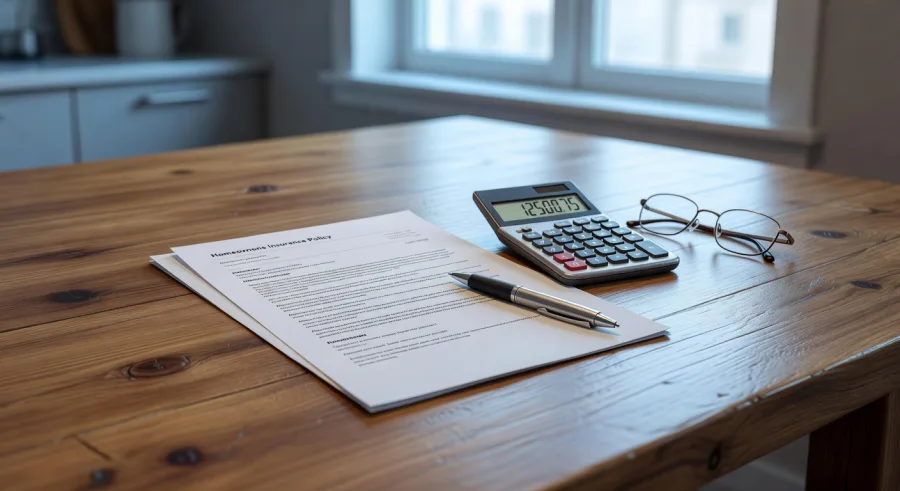
Pull out your declarations page — the summary document your insurer sends at renewal time — and look for the section on dwelling coverage or other structures. Your deductible amount matters here. If your deductible is $1,000 and each window costs $400 to $700 to replace, you'll need to do the math carefully. Replacing several windows after a hailstorm, however, can quickly exceed your deductible and make a claim well worth pursuing.
When in doubt, call your insurance agent and simply ask: Does the damage I'm seeing qualify as a covered loss? You are not obligated to file a claim just because you ask the question, and asking costs you nothing.
How to File a Homeowners Insurance Claim for Window Replacement Strategically
Timing and documentation are everything when it comes to homeowners insurance claims for window replacement seniors should know about. Here's how to approach it the right way:
- Document the damage before touching anything. Take clear photos and short videos of every damaged window, including close-ups and wide shots showing the surrounding area.
- Note the date and cause. If a storm passed through, check local weather records online — many insurers will ask for this. Your local news station or the National Weather Service website can help you document that a qualifying weather event occurred.
- Get a written estimate from a licensed contractor first. Before calling your insurer, have a contractor inspect the damage and provide a written estimate. This gives you a solid number to reference and prevents lowball assessments.
- File promptly. Most policies have a reporting window. Waiting too long after a covered event can jeopardize your claim.
- Request a public adjuster if the damage is extensive. Public adjusters work on your behalf — not the insurer's — and can help ensure you receive a fair settlement. They typically charge a percentage of the claim payout, so this works best for larger projects.
What Happens After You File
An insurance adjuster will visit your home to assess the damage. Be present for this inspection if at all possible, and bring your contractor's estimate with you. If the adjuster's offer seems lower than expected, you have the right to negotiate or request a re-inspection. Keep all written communication and don't sign anything that closes the claim until you are satisfied with the settlement amount.
Stacking Your Savings: Combining Insurance With Tax Credits and Rebates
Here's where older homeowners can really come out ahead. Even if your insurance covers a portion of the replacement cost, you may still qualify for additional savings that bring your out-of-pocket expense down even further.
- Federal Energy Tax Credits: Under provisions of the Inflation Reduction Act, homeowners who install qualifying energy-efficient windows may be eligible for a federal tax credit of up to $600 (amounts and eligibility can vary by tax year — verify with a tax professional or the IRS website). This applies to what you spend, regardless of whether insurance also paid a portion.
- Utility Company Rebates: Many electric and gas utilities offer rebates when you upgrade to energy-efficient windows. Check your utility company's website or call their customer service line to ask what rebates are currently available in your area.
- Contractor Discounts: Getting at least three written quotes from licensed contractors can reduce your project cost by 20% to 40%. Ask each contractor whether they offer senior discounts or financing options as well.
Think of it this way: insurance may cover damage-related costs, the federal tax credit rewards the energy-efficient upgrade, and utility rebates reward you for reducing demand on the grid. These programs are designed to work together, and there's no rule that says you can only use one.
A Few Cautions Worth Keeping in Mind
Filing a claim can sometimes affect your future premium rates, so it's worth having a conversation with your agent about the potential impact before you file. If the damage is minor and costs only slightly more than your deductible, paying out of pocket might be the smarter long-term financial move. Balance the short-term payout against any potential rate increase.
Also, be cautious of contractors who approach you unsolicited after a storm and offer to handle your insurance claim for you. Legitimate contractors provide estimates; they do not manage your insurance process.
Your Next Step
Start by reviewing your current homeowner's insurance policy or calling your insurance agent this week to ask about covered causes of loss. Then visit the EnergyStar.gov website to see which window products qualify for federal tax credits, and contact your utility company to ask about local rebates. With a little research upfront, you may find that new, energy-efficient windows cost far less than you expected — and the savings on your energy bills will continue paying you back for years to come.
Replacing windows doesn't have to mean draining your savings. The programs are out there. You just have to know where to look — and now you do.
Advertisement