Advertisement
LIHEAP Eligibility in HUD Subsidized Housing and Other Special Living Situations for Seniors
If you live in tribal housing, a rural community, a HUD-subsidized apartment, or a manufactured home, you may have heard that energy assistance programs are complicated or even off-limits for people in your situation. That is not true. The federal LIHEAP program — the Low Income Home Energy Assistance Program — was designed to help low-income households across all kinds of living arrangements pay their heating and cooling bills. LIHEAP eligibility in HUD subsidized housing for seniors is very real, and so are the pathways available to those in rural areas, tribal lands, and manufactured homes.
The key is knowing which doors to knock on and what to bring with you when you do. This guide breaks it all down in plain language so you can get the help you deserve.
What Is LIHEAP and Why Does It Matter?
LIHEAP is a federally funded program that provides grants — not loans — to help low-income households manage the cost of heating and cooling their homes. That means any money you receive never has to be paid back. The assistance can cover electric, gas, oil, propane, and other home energy sources, and in many states it can amount to a significant reduction in your annual energy bills.
Funding is limited and is distributed on a first-come, first-served basis in many states, so applying early in each program season is important. Most people apply through their local community action agency. If you are not sure who that is, calling 211 from any phone will connect you to a local specialist who can point you in the right direction.
If You Live in HUD-Subsidized Housing
Seniors living in HUD-subsidized apartments, Section 8 housing, or public housing often assume their energy costs are already covered and that they would not qualify for LIHEAP. In some cases, utilities are included in rent — but in many others, tenants pay their own electric or gas bills separately, and that is where LIHEAP can help.
Key Considerations for HUD Residents
- Check your lease: If you pay any portion of your energy bill directly, you are likely eligible to apply for LIHEAP assistance on that portion.
- Ask your property manager: HUD-assisted properties are required to cooperate with residents seeking outside assistance. Your property manager or resident services coordinator may already have a relationship with your local LIHEAP office.
- Bring the right documents: You will typically need proof of address, proof of income, a recent utility bill (or your lease if utilities are included), and a government-issued ID. If utilities are bundled into rent, ask your property manager for a letter confirming the arrangement — some states have a workaround that still allows a partial benefit.
Do not let confusion about your housing type stop you from applying. LIHEAP eligibility in HUD subsidized housing for seniors is handled case by case, and caseworkers are trained to help you figure out what applies to your situation.
If You Live on Tribal Lands
Native American seniors living on or near tribal lands have a dedicated pathway for LIHEAP assistance. Under federal law, a portion of LIHEAP funding is set aside specifically for tribes and tribal organizations. Many tribal governments administer their own LIHEAP programs independently, meaning you may apply directly through your tribe rather than through a state agency.
How to Access Tribal LIHEAP
- Contact your tribal government's social services or housing department first. They are often the best starting point and may process applications faster than state channels.
- If your tribe does not run its own LIHEAP program, you can apply through the state program like any other resident.
- The Indian Health Service and local Bureau of Indian Affairs offices can also help connect you to the right contacts if you are unsure where to start.
Documentation requirements are generally similar to the standard program, but tribal enrollment records may be accepted in place of some traditional forms of ID or address verification.
If You Live in a Rural Area
Rural seniors face a different set of challenges: fewer local offices, longer travel distances, and sometimes a heavier reliance on heating fuels like propane or heating oil that can be more expensive than natural gas. The good news is that LIHEAP covers all of these fuel types.
Tips for Rural Applicants
- Call 211 first: Even in rural areas, 211 can connect you to the nearest community action agency or help you apply by phone or mail if in-person visits are not practical.
- Look for outreach events: Many community action agencies hold mobile application events at churches, senior centers, and community halls in rural areas during open enrollment periods.
- Ask about crisis assistance: If you are facing an immediate shutoff or have already run out of heating fuel, LIHEAP includes a crisis assistance component that can sometimes be processed faster than standard applications.
- USDA Rural Development programs: In some states, LIHEAP is coordinated with USDA energy weatherization programs. Ask your caseworker whether you qualify for both.
If You Live in a Manufactured Home
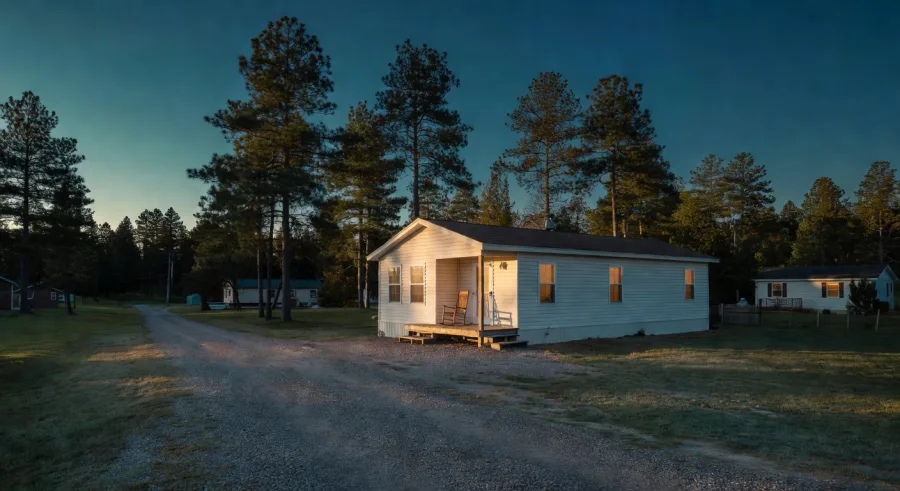
Manufactured and mobile homes are fully eligible for LIHEAP, but applicants sometimes run into documentation hurdles because ownership and land arrangements can be complex. Here is how to prepare:
- Bring your utility bills showing service at your address. If your utilities are in someone else's name, bring documentation showing you live there and contribute to the bills.
- If you own your home but rent the lot, bring both your home title and your lot rental agreement.
- If your manufactured home is older and has no formal title, a letter from your county assessor or a property tax statement showing your name and address may serve as a substitute in many states.
Manufactured homes often use more energy per square foot than site-built homes, which means energy costs can be higher — and the need for LIHEAP assistance even greater. Do not count yourself out before you apply.
General Documentation Tips That Apply to All Special Situations
- Always bring more documentation than you think you need. Extra paperwork is easier to deal with than a missing form that delays your application.
- Ask your caseworker specifically about your living situation. They are familiar with non-standard cases and often know of state-specific workarounds.
- If you are denied, ask for the reason in writing and ask whether an appeal or alternative application pathway is available.
- Reapply each program year. LIHEAP is not a one-time benefit — eligible seniors can receive assistance annually.
Your Next Step: Get Connected Today
No matter what kind of home you live in, LIHEAP may be able to help you manage your energy costs this year. The fastest way to find out is to take action now, before funds run out in your state.
Call 211 from any phone to be connected to your local community action agency or LIHEAP office. You can also visit the official LIHEAP program page at the U.S. Department of Health and Human Services website by searching for LIHEAP online. If you live on tribal lands, start with your tribal social services office. And if you are in a HUD property, ask your resident services coordinator — they may already know exactly who to call.
Energy assistance is available, accessible, and waiting. The first step is simply making the call.
Advertisement