Advertisement
Getting Meals on Wheels for Rural Seniors Is Possible — Even Off the Beaten Path
If you live in a rural area, you already know that distance makes everything a little harder. Grocery runs can mean a 30-minute drive each way. Doctor appointments require planning days in advance. And when it comes to home-delivered meal programs like Meals on Wheels, rural seniors often face an extra layer of challenge: limited coverage zones, too few volunteer drivers, and delivery routes so long that hot food can arrive cold — or not at all.
But here is the good news. Meals on Wheels for rural seniors is not just a possibility — it is a reality for millions of Americans living outside cities and suburbs. With the right information and a few extra steps, you or a loved one can often get connected to a program that works. This guide walks you through exactly how to do that.
Why Rural Access to Meals on Wheels Is Uniquely Challenging
Meals on Wheels is not a single national program with one phone number. It is a network of thousands of local programs, each funded and operated differently. In urban and suburban areas, programs often have enough volunteers and short enough routes to deliver meals five days a week. In rural counties, the picture can look very different.
- Long delivery routes: A volunteer driver in a rural area might cover 60 or more miles in a single shift. That means meals prepared in the morning may not reach the last stop until early afternoon.
- Fewer volunteers: Sparse population means fewer people available to drive, which can lead to reduced delivery days or waitlists.
- Limited funding: Smaller local programs may have tighter budgets, which affects how many clients they can serve and how often.
- Coverage gaps: Some addresses simply fall outside a program's service boundary, especially in very remote areas.
None of this means you are out of options. It means you may need to dig a little deeper and explore more than one avenue.
How to Find a Meals on Wheels Program in Your Rural Area
Your first stop should be the Meals on Wheels America website, which includes a nationwide program locator. By entering your zip code, you can find the nearest participating program and get contact information directly. Many local programs also operate through or in partnership with your county's Area Agency on Aging (AAA), which is federally funded to coordinate services for older adults.
To find your local Area Agency on Aging, you can call the Eldercare Locator at 1-800-677-1116, a free service run by the U.S. Administration on Aging. Staff can connect you with local resources based on your address, even in remote ZIP codes.
Questions to Ask When You Call
When you reach a local program, come prepared with a few key questions:
- Do you deliver to my address or ZIP code?
- How many days per week are meals delivered in my area?
- Is there a waitlist, and how long is it?
- Are meals hot, frozen, or shelf-stable when they arrive?
- Is there a cost, and are there sliding-scale fees or waivers available?
- Does delivery include a wellness check?
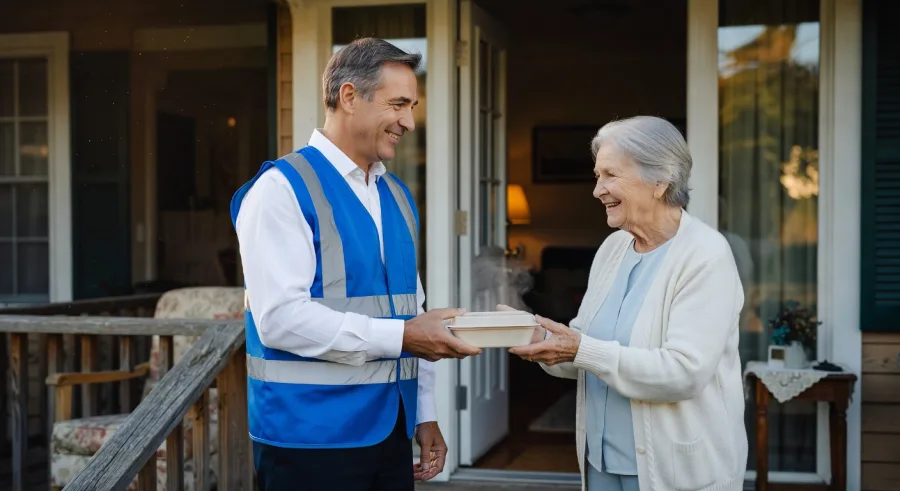
That last point matters more than many people realize. Many Meals on Wheels programs include a brief daily wellness check as part of the delivery — a volunteer knocks, makes sure you are okay, and flags any concerns. For seniors living alone in rural areas, this can be a genuine safety net.
What to Do If Your Address Falls Outside the Coverage Zone
If the nearest Meals on Wheels program does not deliver to your location, do not stop there. Here are several practical alternatives to explore:
Ask About Frozen or Shelf-Stable Meal Options
Some rural programs have adapted by offering frozen meal bundles delivered less frequently — perhaps once a week — instead of daily hot meals. This reduces the number of trips a volunteer must make while still ensuring you have nutritious food available every day. Ask specifically whether this option exists in your area.
Check With Your Local Senior Center
Many rural senior centers serve congregate meals on-site and may also coordinate with volunteers to help transport meals to nearby homebound seniors. Even if you cannot make it to the center yourself, staff there often know about informal networks and local resources that do not show up in any online directory.
Contact Your State's Aging Services Office
Every state has an office or department dedicated to aging services. These agencies sometimes fund supplemental meal programs for hard-to-reach rural residents, or they can point you toward emergency food assistance, food banks with senior-specific programs, or community organizations filling in the gaps.
Explore USDA and Community Programs
The USDA's Supplemental Nutrition Assistance Program (SNAP) does not deliver meals, but it can help cover grocery costs for eligible seniors — including those who live far from stores. Some areas also have volunteer networks or faith-based organizations that coordinate grocery delivery or meal drop-offs for rural homebound seniors. Your local AAA can help identify these.
Tips for Caregivers Supporting Rural Seniors
If you are a family member or caregiver helping a rural senior access Meals on Wheels, a few extra steps can make a real difference:
- Call on their behalf if they have difficulty with phone calls or internet access. Programs are accustomed to family members enrolling loved ones.
- Document the need clearly. When speaking with program staff, be specific about why the senior is homebound — mobility issues, lack of transportation, health conditions. This helps programs prioritize intake.
- Check in about food quality. If meals are arriving cold or in poor condition due to long rural routes, let the program know. Many programs want this feedback and may have solutions.
- Stay on waitlists. If a program cannot serve your senior right now, get on the waitlist and check back regularly. Openings do come up.
A Note on Cost and Eligibility
Most Meals on Wheels programs serve seniors aged 60 and older, though some serve younger adults with disabilities. Cost varies widely by program and location. Many programs ask for a voluntary contribution but serve clients regardless of ability to pay. No one should go without meals because of financial hardship — if cost is a concern, say so when you call. Programs are designed to work around it.
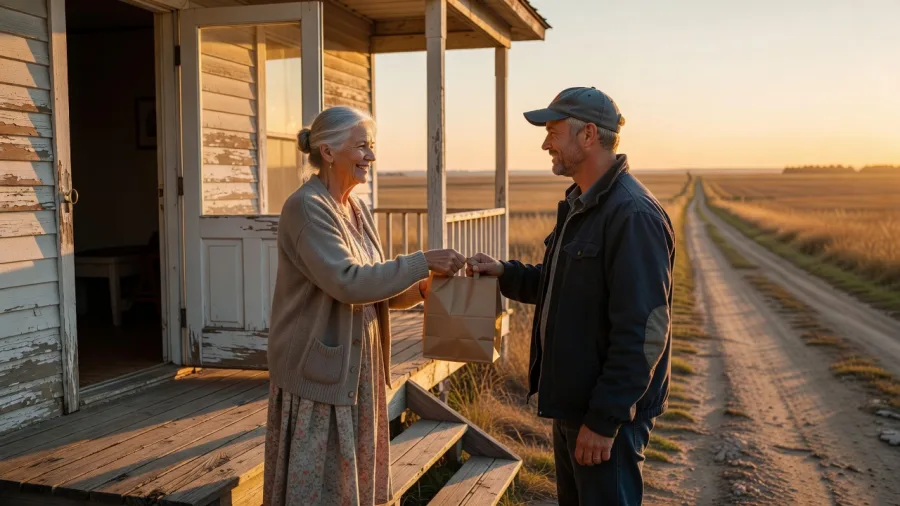
Many Meals on Wheels volunteers describe their rural routes as some of the most meaningful work they do — because the seniors they visit often have no other daily contact with the outside world.
Take the First Step Today
Meals on Wheels for rural seniors may take a few extra phone calls to arrange, but the effort is absolutely worth it. Whether you are a senior looking to stay independent at home or a caregiver making sure a loved one is fed and checked on each day, this program exists to help — and local staff genuinely want to find a way to serve you.
Start by calling the Eldercare Locator at 1-800-677-1116 or visiting MealsOnWheelsAmerica.org to find the program nearest to you. You can also reach your local Area Agency on Aging through the same number. Do not let distance be the reason someone goes without a hot meal or a daily check-in — help is closer than you think.
Advertisement