Advertisement
Getting Around Shouldn't Be a Barrier
For millions of Americans living with disabilities, getting on a standard city bus or navigating a subway station simply isn't possible. Steps, tight spaces, crowded platforms, and unpredictable schedules can make fixed-route public transit inaccessible or unsafe. That's exactly why paratransit services for people with disabilities exist — and if you or someone you love qualifies, these programs can be life-changing.
Paratransit is a form of shared-ride transportation that offers flexible, door-to-door or curb-to-curb service for people who are unable to use regular public buses or trains due to a disability. It's available in communities across the country, and in many cases, the rides are offered at significantly reduced fares or even free of charge.
What Are Paratransit Services?
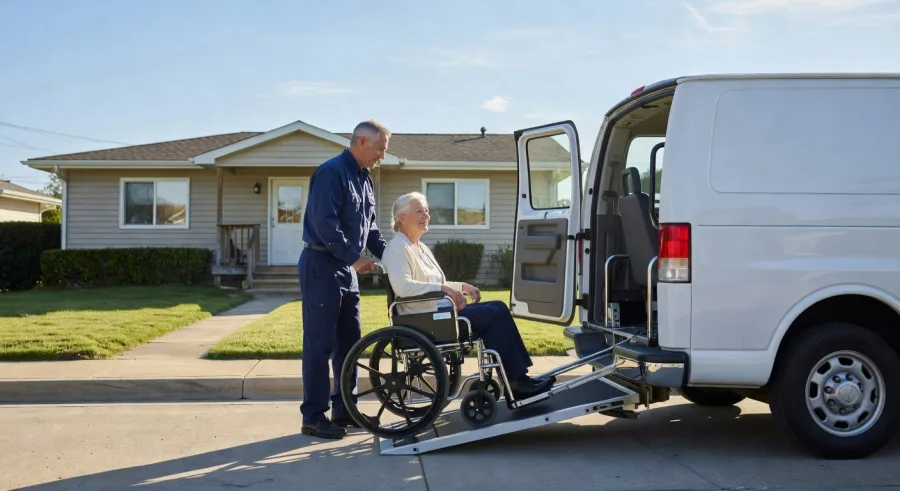
Paratransit refers to transportation services that run alongside — or complement — a city's regular bus and subway network. Instead of fixed stops and set schedules, paratransit typically works by reservation. You call ahead or book online, and a specially equipped vehicle picks you up at your home or another location and takes you to your destination.
These services are often operated by local transit authorities or contracted providers. Vehicles are generally wheelchair accessible and staffed by trained drivers who can assist passengers with boarding and exiting the vehicle.
Who Qualifies for Paratransit Services?
Under the Americans with Disabilities Act (ADA), any public transit agency that operates fixed-route bus or rail service is required to provide complementary paratransit service to people who cannot use that fixed-route system due to a disability. This is a federal mandate, which means coverage is widespread across the United States.
You may qualify for paratransit services disability coverage if you meet one or more of the following conditions:
- You have a physical, cognitive, or sensory disability that prevents you from getting to or from a bus stop or train station
- You are unable to board, ride, or exit a standard transit vehicle even if it is accessible
- Your disability prevents you from navigating the fixed-route system safely or independently
Eligibility is not based solely on having a disability diagnosis. The transit agency will evaluate whether your specific functional limitations prevent you from using regular service. Age alone does not automatically qualify you, though many seniors with qualifying disabilities are approved.
How Paratransit Services Work Day-to-Day
Once you're certified for paratransit, using it becomes part of your routine. Most programs require you to schedule rides at least one day in advance, though some agencies offer same-day or on-demand options. Here's what a typical experience looks like:
- Book your ride: Call your transit authority's paratransit reservation line or use their online portal to schedule a pickup time and destination
- Get picked up: A driver arrives at your home or another agreed-upon location within a set pickup window
- Ride to your destination: The vehicle may pick up other passengers along the route, similar to a shared shuttle
- Return trip: You can schedule a return ride in advance, or book a separate trip for later
It's worth noting that paratransit is generally designed for trips within a reasonable distance of the regular transit service area — usually up to three-quarters of a mile on either side of a fixed route. However, many transit agencies offer broader coverage, so it's worth asking your local provider about their specific service boundaries.
How Much Does Paratransit Cost?
Under ADA rules, transit agencies cannot charge more than twice the regular fixed-route fare for comparable paratransit trips. In practice, this often means fares are quite affordable — especially when compared to taxis or rideshare services. Some programs further reduce fares for low-income riders, and certain state or local programs may offer free paratransit rides to qualifying individuals.
Fares vary by city and state, so contact your local transit authority to get the exact pricing for your area. Many agencies also accept reduced fare cards, Medicare cards, or state disability ID cards as proof of eligibility for discounted rates.
Other Transportation Options That May Help
Beyond ADA-mandated paratransit, there are other paratransit services for disability needs worth exploring:
- Medicaid Non-Emergency Medical Transportation (NEMT): If you are enrolled in Medicaid, you may be eligible for free rides to and from medical appointments
- State and local senior transportation programs: Many Area Agencies on Aging (AAA) coordinate volunteer driver programs or subsidized taxi vouchers for seniors and people with disabilities
- Veterans transportation services: If you are a veteran, the VA offers transportation assistance to medical appointments through its Beneficiary Travel program
- Dial-a-ride programs: Some smaller communities operate demand-response transit that functions similarly to paratransit, even where ADA paratransit is not required
How to Apply for Paratransit Services
Getting certified for paratransit usually involves a straightforward application process. Here are the general steps:
- Contact your local transit authority and ask about their paratransit eligibility application
- Complete the application, which typically includes a description of your disability and how it affects your ability to use fixed-route transit
- Provide documentation from a healthcare provider, if required — this may include a letter from your doctor, physical therapist, or other qualified professional
- Some agencies conduct an in-person or functional assessment to better understand your mobility needs
- Once approved, you will receive a paratransit ID card or certification letter that you use when booking rides
The application process can take a few weeks, so it's a good idea to apply as soon as you know you need the service. If you are denied, you have the right to appeal the decision.
Take the First Step Toward Greater Independence
Transportation is one of the most fundamental parts of daily life — getting to medical appointments, running errands, visiting family, or simply staying connected to your community. Paratransit services for people with disabilities exist to make sure that a disability doesn't have to mean staying home.
If you or a loved one has a disability that makes using regular public transit difficult or impossible, paratransit may be exactly the help you've been looking for.
To get started, visit your local transit authority's website or call their customer service line to ask about paratransit eligibility and applications. You can also contact your local Area Agency on Aging, which can connect you with transportation resources in your community. The federal Transit website at transit.dot.gov also provides information about ADA paratransit rights and how to find services near you.
Don't wait — reaching out today could open the door to greater freedom, independence, and quality of life.
Advertisement