Advertisement
Your Section 8 Voucher Is Yours — Even If Your Landlord Walks Away
One of the most stressful situations a senior renter can face is hearing that their landlord is selling the property, opting out of the Housing Choice Voucher program, or starting eviction proceedings. If you rely on Section 8 assistance to cover your rent, the fear of losing your home and your voucher at the same time can feel overwhelming. But here is the most important thing to understand: your voucher belongs to you, not your landlord. Knowing what happens to your Section 8 voucher if a landlord sells the property — and what protections exist — can help you stay calm, act fast, and protect your housing.
This guide walks you through exactly what your rights are in each of these situations, what notices you are legally entitled to receive, and the precise steps you should take the moment you learn your housing situation may be changing.
What Happens to Your Section 8 Voucher If a Landlord Sells the Property?
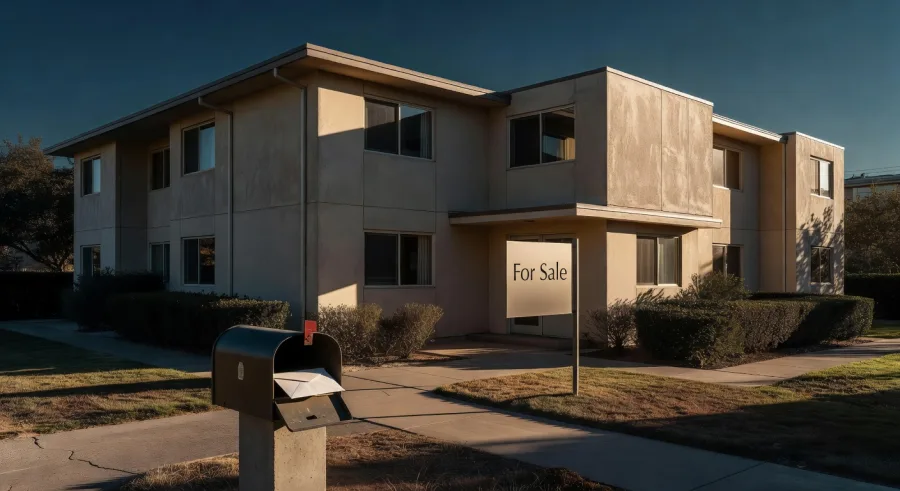
When a landlord decides to sell a property where a Section 8 tenant lives, federal rules offer important protections. Under HUD guidelines, the new owner who purchases the property takes on the existing lease. This means the sale of the building does not automatically end your right to live there or cancel your Housing Assistance Payments (HAP) contract.
Here is what typically happens:
- The lease transfers to the new owner. If you have time remaining on your lease, the new owner must honor it. They cannot simply remove you because they just purchased the property.
- The new owner may or may not choose to renew the HAP contract. Once your lease term ends, the new owner has the option to continue participating in the Section 8 program or to opt out. They must give proper notice if they choose not to renew.
- Your voucher remains active. Even if the new owner refuses to continue with Section 8, your voucher does not disappear. You are entitled to use it at a new qualifying rental property.
The key takeaway: a property sale puts your lease at risk only when your lease term ends — not the moment the sale closes. Act quickly during this transition period so you have time to find a new home if needed.
What If Your Landlord Opts Out of the Section 8 Program?
Landlords are not required to stay in the Housing Choice Voucher program forever. At the end of a HAP contract or lease term, a landlord may choose to stop accepting Section 8. This is legal, but they must follow specific federal notice requirements before they can ask you to leave.
Under HUD rules, landlords who wish to opt out of the program must provide written notice to both the tenant and the local Public Housing Authority (PHA). The required notice period is typically at least 90 days before the end of the lease or HAP contract. Some states and localities require even longer notice periods, so check with your PHA for the rules in your area.
During this notice period, you have time to:
- Search for a new rental unit that accepts Section 8 vouchers
- Contact your PHA to let them know your situation and ask for an extension if needed
- Request a portability transfer if you want to move to a different city or county
Important: Never ignore a notice from your landlord about opting out of Section 8. Contact your PHA the same day you receive any written notice about changes to your lease or HAP contract.
What Are Your Rights If a Landlord Tries to Evict You?
Section 8 tenants have strong eviction protections under federal law. A landlord cannot evict a voucher holder without good cause during the lease term. Acceptable reasons for eviction generally include serious lease violations, damage to the property, or criminal activity. A landlord cannot evict you simply because they want to sell the unit or no longer want to participate in the program while your lease is still active.
If a landlord starts eviction proceedings, here are the steps to take immediately:
- Read every document carefully. Note the reason for eviction and the dates listed. Keep copies of everything.
- Contact your PHA right away. Your housing authority needs to know about any eviction action against you. They can help clarify your rights and may be able to intervene.
- Seek free legal help. Many areas have legal aid organizations that assist low-income seniors with housing issues at no cost. Search for your local legal aid office through the Legal Services Corporation website.
- Do not move out until you fully understand your rights. Leaving voluntarily before a legal eviction is finalized can sometimes complicate your ability to keep your voucher.
- Ask your PHA about an emergency extension. If you are displaced through no fault of your own, many PHAs can grant extensions on your voucher search period so you have more time to find a new unit.
How Long Do You Have to Find a New Home?
When a landlord sells the property and the new owner opts out, or when your landlord leaves the program at the end of your lease, your PHA will issue you a new voucher search period. Standard search periods are typically 60 to 120 days, though this varies by PHA and state. Many PHAs will grant extensions to seniors and disabled individuals who face difficulty finding a new unit quickly, especially in tight rental markets.
Use this time wisely. Start searching early, contact multiple landlords, and stay in regular communication with your PHA. The more proactive you are, the better your chances of finding a new home without a gap in your assistance.
Steps to Take Right Now to Protect Your Voucher
Whether or not you are currently facing a housing disruption, these steps can help you stay protected:
- Keep all your contact information current with your local PHA
- Save copies of your lease, HAP contract, and any correspondence with your landlord
- Know your PHA caseworker by name and keep their phone number accessible
- Understand your lease end date and watch for renewal notices
- If you hear rumors that your building may be sold, contact your PHA proactively — do not wait for official notice
Your Next Step: Contact Your Local PHA Today
If you are currently a Section 8 voucher holder facing a landlord sale, program opt-out, or eviction threat, the most important thing you can do right now is contact your local Public Housing Authority. They are your primary advocate and can walk you through your specific rights based on your state and local rules.
You can find your local PHA by visiting the official HUD website at hud.gov and using their PHA contact search tool. You can also call HUD directly at 1-800-955-2232 for general housing assistance guidance. For free legal help with eviction issues, visit lawhelp.org to find a legal aid office near you.
Your voucher is a lifeline — and you have more rights than you may realize. Do not wait. Reach out today so you have the information and support you need before a crisis becomes a catastrophe.
Advertisement