Advertisement
Section 8 Housing Assistance for Seniors: You May Have More Options Than You Think
If you are 55 or older and struggling to keep up with rising rent, Section 8 housing assistance for seniors could be one of the most powerful tools available to you. The Housing Choice Voucher program — commonly called Section 8 — helps millions of Americans pay their monthly rent, and older adults have some specific advantages that younger applicants simply do not have. Understanding those advantages could be the difference between waiting years for help and getting housed much sooner.
This guide breaks down exactly how the program works for seniors, what special rules apply to older applicants, and the practical steps you can take right now to improve your chances of approval.
How Section 8 Works — A Quick Refresher
Section 8 is a federal rental assistance program run by the U.S. Department of Housing and Urban Development (HUD) and administered locally by Public Housing Authorities (PHAs). When you receive a voucher, it covers the gap between what you can reasonably afford and the actual cost of rent in your area.
- You pay approximately 30% of your monthly income toward rent.
- The voucher pays the rest, up to the local Fair Market Rent limit set by HUD.
- You can use the voucher at any private rental property that accepts it — giving you flexibility to live where you want.
- The voucher is portable, meaning you can take it with you if you move to another area.
Income limits vary by location and household size, and are updated annually by HUD. In general, you must earn below 50% of the median income for your area to qualify, though many PHAs give priority to those earning below 30%.
Why Seniors Have a Real Advantage in the Section 8 System
Here is something many older applicants do not realize: federal law and local PHA policies frequently give elderly households preferential treatment. This does not guarantee instant approval, but it does put you ahead of many other applicants in meaningful ways.
Priority Status for Elderly and Disabled Applicants
Many local PHAs designate elderly households — typically defined as households where the head of household, co-head, or spouse is 62 or older — as a priority group on the waiting list. Some PHAs extend similar priority to those 55 and older under certain programs. Priority status means your application moves up the list faster than general applicants, even if you applied on the same day.
It is worth asking your local PHA directly: Do you offer priority placement for elderly or near-elderly households? The answer varies by city and county, but many do — and most people never think to ask.
Elderly-Designated and Mixed-Population Housing
Beyond standard vouchers, HUD has a category called elderly-designated housing. These are apartment communities reserved exclusively for households where at least one member is 62 or older, or in some cases 55 or older under the Housing for Older Persons Act (HOPA). These properties often have:
- Shorter waiting lists than general public housing
- Accessibility features like grab bars, wider doorways, and elevator access
- On-site services and community programming for older residents
- Quieter, more stable living environments
Applying to elderly-designated properties in addition to standard voucher programs can significantly increase your chances of being housed sooner.
Section 8 Housing Assistance for Seniors: Additional Benefits to Know
The Enhanced Voucher Program
If you currently live in HUD-assisted housing and your building is being converted or the owner opts out of the program, you may qualify for an Enhanced Voucher. This special voucher allows you to stay in your current unit even if the rent goes above the normal Fair Market Rent limit — an important protection for long-term residents who do not want to be displaced.
Project-Based Vouchers
Some Section 8 assistance is tied to specific apartment units rather than given to individuals to use anywhere. These are called Project-Based Vouchers (PBVs). Many elderly-designated properties use this model. While you cannot take a project-based voucher with you if you move, these properties often have shorter wait times and may be easier to access for seniors who need housing quickly.
Reasonable Accommodation Requests
If you have a disability or a health condition that affects your housing needs, you have the right to request a reasonable accommodation from your PHA. This could mean requesting accessible housing units, asking for assistance completing paperwork, or requesting a modification to how your income is calculated. PHAs are legally required to consider these requests under the Fair Housing Act and Section 504 of the Rehabilitation Act.
Practical Steps to Strengthen Your Application
The waiting list for Section 8 can be long — sometimes years — in high-demand areas. But there are concrete actions you can take to improve your position and avoid common mistakes that delay approval.
- Apply to multiple PHAs. You are not limited to applying in just one location. If you are open to living in a nearby city or county, apply there too. Some areas have shorter wait lists.
- Keep your contact information current. Many applicants lose their place on the waiting list simply because a PHA could not reach them. Update your address and phone number any time they change.
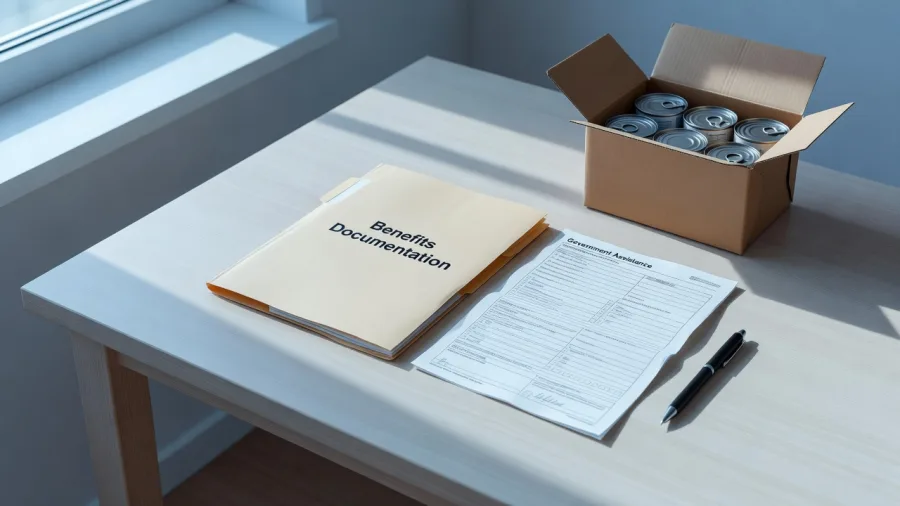
- Gather your documents early. You will need proof of income, identification, Social Security numbers for all household members, and rental history. Having these ready speeds up the process significantly.
- Ask about preference categories. Each PHA can set its own local preferences. Common ones include elderly households, veterans, people experiencing homelessness, and people currently in substandard housing. Ask which ones apply to you.
- Check for open waiting lists regularly. Lists open and close frequently. HUD maintains a directory of local PHAs at hud.gov where you can find contact information for your area.
Tip: Some states and cities have centralized waiting list portals where you can apply to multiple programs at once. Search for your state name plus housing choice voucher waiting list to find out if this option exists near you.
Do Not Wait to Get Started
Section 8 housing assistance for seniors is one of the most valuable federal benefits available to older Americans on fixed or limited incomes. The program can dramatically reduce your monthly housing costs, giving you more financial breathing room for health care, food, and other essentials.
The most common regret among successful applicants is that they waited too long to apply. Even if the wait feels daunting, getting on the list now puts you that much closer to relief.
Your Next Step
Visit hud.gov to find the Public Housing Authority nearest you. You can search by state or ZIP code and get direct contact information for your local PHA. Call them to ask about current waiting list status, senior preference policies, and elderly-designated housing options in your area. Many PHAs also allow you to apply online or by mail.
You have earned access to these programs. Take the first step today.
Advertisement