Advertisement
If you rely on a Section 8 Housing Choice Voucher and have a disability or mobility limitation, you may have more rights than you realize when it comes to making your rental home safer and more accessible. Understanding how Section 8 voucher reasonable accommodation home modifications for seniors work — and who is responsible for covering the costs — can make a real difference in your comfort, safety, and independence at home.
What Is a Reasonable Accommodation Under Fair Housing Law?
The Fair Housing Act gives people with disabilities the right to request two types of adjustments from their landlords: reasonable accommodations and reasonable modifications. These are related but different, and it helps to understand the distinction before you make any request.
- Reasonable accommodation refers to a change in rules, policies, or services — for example, asking your landlord to allow a live-in aide or reserve a closer parking spot.
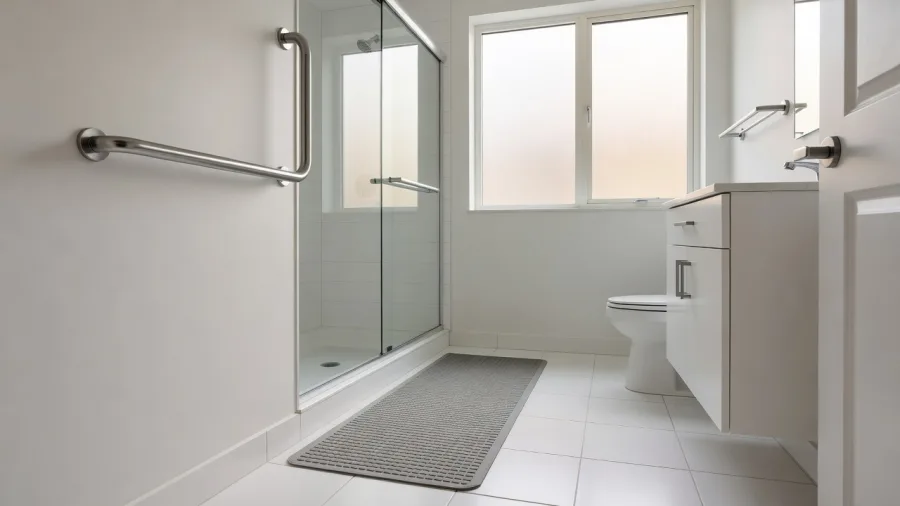
- Reasonable modification refers to a physical change to the unit itself — such as installing a grab bar in the bathroom, adding a wheelchair ramp at the entrance, or widening a doorway.
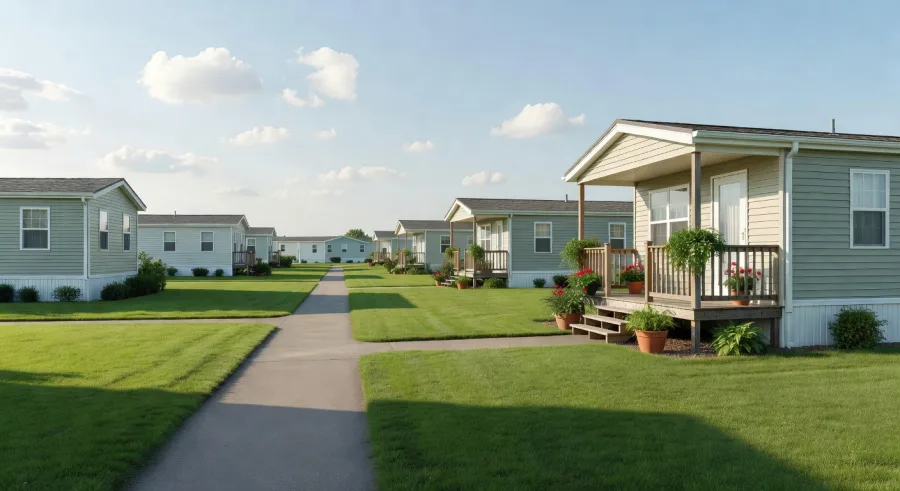
Both types of requests apply to Section 8 tenants. Your landlord generally cannot refuse a reasonable modification request if you have a documented disability and the change is necessary for you to use and enjoy the home. That protection exists whether you are renting a private apartment, a townhome, or a single-family house through your voucher.
Who Pays for Home Modifications in a Voucher-Assisted Unit?
This is where many seniors get confused — and understandably so. The rules about who covers the cost depend on the type of housing and the source of funding for the modification.
Private Landlords and Tenant-Paid Modifications
In most privately owned rental units covered by a Housing Choice Voucher, the tenant is responsible for paying for reasonable modifications. The landlord is required by law to permit the change, but is not legally required to pay for it. The landlord may also require you to restore the unit to its original condition when you move out, unless doing so would not be reasonable given the modification.
That may sound discouraging, but here is the encouraging part: there are programs specifically designed to help seniors and people with disabilities cover exactly these costs.
HUD-Assisted and Project-Based Properties
If you live in a property that receives direct HUD funding — such as Section 202 Supportive Housing for the Elderly — the rules can be different. In some cases, the housing provider may be required to pay for accessibility modifications as part of their obligations under Section 504 of the Rehabilitation Act. If you are unsure which rules apply to your specific unit, ask your local Public Housing Authority (PHA) directly.
How to Formally Request a Reasonable Modification
Making a formal request is simpler than it sounds. Here are the basic steps most seniors will follow:
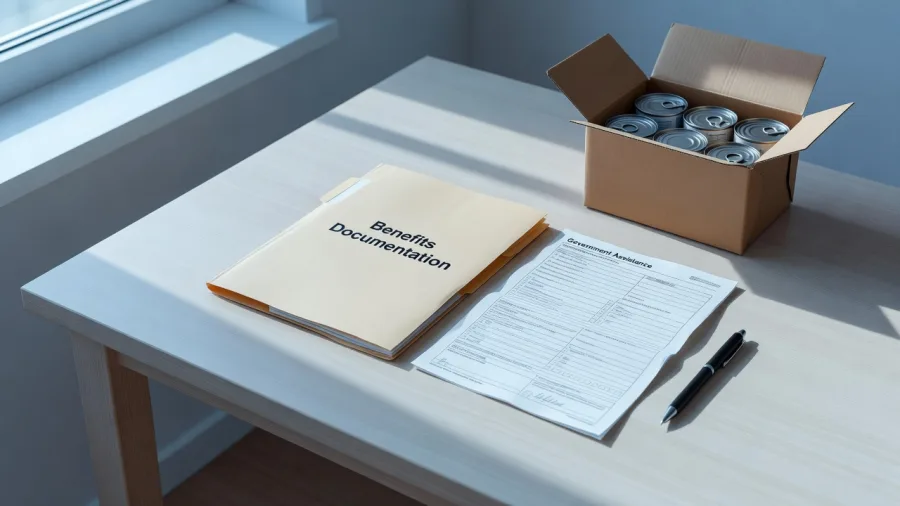
- Get documentation from your doctor or healthcare provider confirming your disability and explaining why the modification is necessary. You do not have to share your full medical history — a brief letter from a physician or physical therapist is usually sufficient.
- Submit a written request to your landlord that clearly describes the modification you need. Keep a copy for your records.
- Notify your local PHA about the request. While the PHA is not always directly involved in modification approvals, keeping them informed protects your rights and creates a paper trail.
- Allow reasonable time for a response. Landlords are expected to respond in a timely manner and cannot unreasonably delay or deny a valid request.
Tip: If your landlord denies your request or does not respond, you can file a complaint with HUD at no cost. Visit the HUD Fair Housing complaint portal or call 1-800-669-9777.
Section 8 Voucher Reasonable Accommodation Home Modifications for Seniors: Finding Money to Cover the Costs
Even if your landlord approves the modification, you still need to figure out how to pay for it. The good news is that several programs exist to help seniors with exactly this challenge — and many people are not aware of all their options.
State-Funded Home Modification Programs
Many states operate their own home modification assistance programs funded through Community Development Block Grants, Medicaid waivers, or dedicated aging services budgets. These programs often target low-income seniors and people with disabilities and can cover ramps, grab bars, stair lifts, widened doorways, and more. Availability and eligibility rules vary significantly by state and change from year to year, so contact your local Area Agency on Aging (AAA) to find out what is available near you. You can locate your local AAA through the Eldercare Locator by calling 1-800-677-1116.
Does Medicare Cover Home Modifications?
Standard Medicare does not typically cover home modifications like ramps or grab bars. However, some Medicare Advantage plans include supplemental benefits that may cover certain home safety modifications or assessments. Coverage varies widely by plan, so review your plan's Evidence of Coverage document or call your plan directly to ask what is included. If you are enrolled in Medicaid, a home and community-based services waiver in your state may also cover modifications — another reason to contact your AAA.
Other Resources Worth Exploring
- USDA Section 504 Home Repair Program: Provides grants and loans to very low-income homeowners and, in limited cases, may assist renters through partner organizations.
- Rebuilding Together: A national nonprofit that provides free home modifications to low-income seniors and people with disabilities through local affiliates.
- Veterans Affairs (VA) programs: If you are a veteran, the VA offers Specially Adapted Housing grants that can cover significant modification costs.
- Community Action Agencies: Local agencies often have small grant funds or can connect you with contractors who do low-cost or volunteer modification work.
Coordinate Before You Sign a New Lease
If you are in the process of using your voucher to move into a new unit, the best time to address modifications is before you sign the lease. Have a conversation with the prospective landlord about your needs. Ask whether they have allowed modifications for previous tenants. Confirm in writing that they will permit the modifications you require as a condition of signing. This protects both you and the landlord and avoids surprises later.
You should also contact your state's home modification assistance program or your AAA before moving in so you understand what financial help may be available and how long the application process typically takes. Some programs have waiting periods, and planning ahead can prevent delays in getting the safety features you need.
Your Next Step
If you are a senior using a Section 8 Housing Choice Voucher and you need accessibility modifications to live safely at home, you have legal rights and real resources available to you. Start by calling the Eldercare Locator at 1-800-677-1116 to connect with your local Area Agency on Aging, which can walk you through state-funded modification programs in your area. You can also visit HUD.gov to learn more about your fair housing rights and how to file a complaint if your reasonable modification request is denied. Taking the first step today can lead to a safer, more comfortable home tomorrow.
Advertisement