Advertisement
SNAP Benefits for Seniors Over 60: What Most People Don't Know
If you're 60 or older and struggling to afford groceries, you may be leaving money on the table. SNAP benefits for seniors over 60 come with a set of special rules that most people — and even some caseworkers — don't always discuss upfront. These rules can significantly increase how much you receive each month, or help you qualify even if you thought your income was too high.
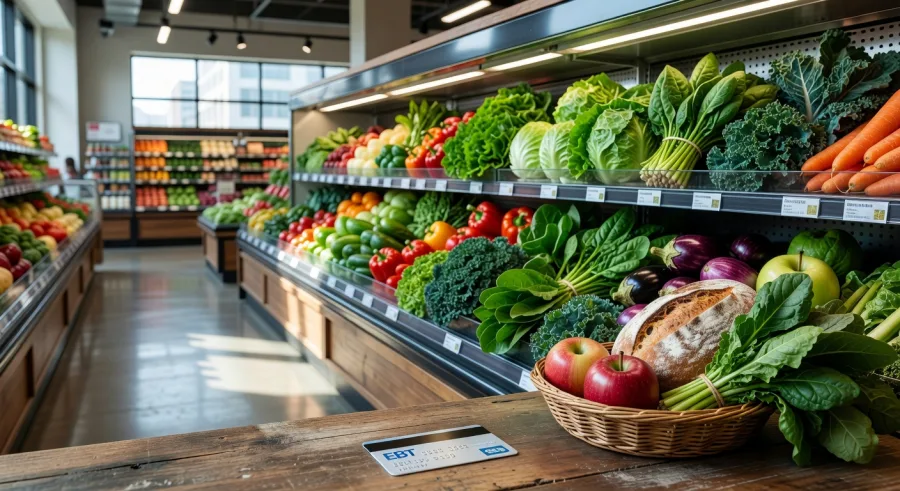
SNAP, the Supplemental Nutrition Assistance Program, is the largest federal nutrition assistance program in the country. Benefits are loaded onto an EBT card that works like a debit card at most major grocery stores, including Walmart, Kroger, and Amazon Fresh. The average benefit is around $230 per person per month, but for many seniors, the real number can be higher once the special senior rules are applied.
The Medical Expense Deduction: A Game-Changer for Seniors
Here's the rule that surprises people the most. If you are 60 or older — or if you receive disability benefits — you can deduct qualified out-of-pocket medical expenses from your income when SNAP calculates your benefits. This is called the medical expense deduction, and it applies to expenses that exceed a small threshold set by federal guidelines.
What counts as a qualifying medical expense? The list is broader than most people expect:
- Prescription medications and over-the-counter drugs approved by a doctor
- Medicare and other health insurance premiums
- Dental and vision care costs
- Medical equipment such as walkers, wheelchairs, or hearing aids
- Transportation costs to medical appointments
- Home health aide or attendant care costs
Here's why this matters so much: SNAP calculates your net income — what's left after deductions — to determine how much you receive. The more deductions you have, the lower your net income appears, and the higher your potential benefit. For seniors with regular medical costs, this deduction alone can make a meaningful difference in your monthly benefit amount.
Important tip: You need to report these expenses to your SNAP caseworker. They won't automatically be counted. Keep receipts and records of your medical spending so you can document them at your eligibility interview or recertification.
The Elderly and Disabled Exemption From the Gross Income Test
Most SNAP applicants must pass both a gross income test and a net income test. But households where all members are elderly (60 or older) or disabled are exempt from the gross income test. They only need to meet the net income limit.
Why does this matter? Because net income is calculated after deductions — including the medical expense deduction described above, standard deductions, and shelter cost deductions. This means a senior household might have a gross income that looks too high on the surface but still qualify once deductions bring the net income within the limit.
If you looked at SNAP in the past and assumed you didn't qualify because of your Social Security income or a small pension, it's worth taking a second look. The rules are more flexible for households made up entirely of seniors or people with disabilities.
SNAP Benefits for Seniors Over 60 Living Alone or With a Spouse
Another overlooked advantage involves household size and benefit calculation. Seniors who live alone or with only a spouse are often surprised to learn that their smaller household size doesn't necessarily mean smaller benefits in proportion to their needs. SNAP uses a formula that accounts for shelter costs relative to income, and many senior households spend a significant share of their income on rent, mortgage, or utilities.
The shelter deduction allows SNAP to subtract excess housing and utility costs from your net income. If your rent or housing costs are high relative to your income — a common situation for fixed-income seniors — this deduction can substantially increase your benefit amount.
Some states also participate in programs that automatically apply a standard utility allowance, which can help even if you don't itemize every utility bill. Ask your caseworker which option works best for your situation.
Simplified Rules Make It Easier to Stay Enrolled
Federal SNAP rules also include provisions that reduce the paperwork burden for seniors. Many states offer longer certification periods for elderly households, meaning you don't have to reapply as frequently as younger applicants. Some states allow seniors to complete their eligibility interviews by phone rather than in person, which is a significant convenience for those with mobility challenges or transportation barriers.
Additionally, if you receive Supplemental Security Income (SSI), some states use a simplified process that makes it easier to enroll in SNAP at the same time. Check with your local SNAP office or state social services agency to see what streamlined options are available where you live.
How to Apply for SNAP as a Senior
Applying is more straightforward than many people expect. Here's what the process generally looks like:
- Online: Most states have an online application through their SNAP or social services website. Applications typically take 15 to 20 minutes to complete.
- In person: You can visit your local SNAP office. Many offices offer accommodations for seniors and people with disabilities.
- By phone or mail: Some states allow phone or mail applications. Contact your local office to find out what's available in your state.
- Through a local nonprofit: Organizations like Area Agencies on Aging often have staff who can help you apply at no cost.
Most applications are processed within 30 days. If your household has very low income or resources right now, you may qualify for emergency SNAP benefits within 7 days of applying.
What You'll Need to Apply
- Proof of identity (driver's license, state ID, or passport)
- Proof of income (Social Security award letter, pension statements, or pay stubs)
- Proof of residency (a utility bill or lease agreement)
- Documentation of medical expenses if you plan to claim the deduction
- Information about your housing costs
Don't Leave These Benefits Unclaimed
Millions of Americans who qualify for SNAP never apply — and seniors are among the most underenrolled group. Studies consistently show that a significant portion of eligible older adults are not receiving benefits they have every right to. Whether it's a concern about stigma, a belief that the benefit won't be large enough to matter, or simply not knowing about the special senior rules, many people miss out on real monthly help.
SNAP benefits for seniors over 60 are not charity — they are a program funded by federal taxes that you have contributed to throughout your working life. Taking advantage of them is exactly what they are designed for.
Even a modest SNAP benefit can free up money for medications, utilities, or other essential expenses. Every dollar helps when you're on a fixed income.
Your Next Step
Ready to find out if you qualify? Visit the official SNAP eligibility pre-screening tool at benefits.gov or go directly to your state's SNAP website to start an application. You can also call the USDA SNAP information line or reach out to your local Area Agency on Aging — they can walk you through the process and help you gather the right documents. It takes about 15 to 20 minutes to apply, and it could mean hundreds of dollars in grocery benefits each month.
Advertisement