Advertisement
If you are a homeowner 55 or older thinking about installing solar panels, you have probably done the math on the federal tax credit and the long-term savings on your electric bill. What many people do not think about until it is too late is the condition of the roof those panels will be sitting on. For seniors exploring solar, the issue of solar panels, old roof replacement cost, and what it means for your budget is one of the most important conversations you can have before signing any contract.
Why Your Roof Age Matters Before Going Solar
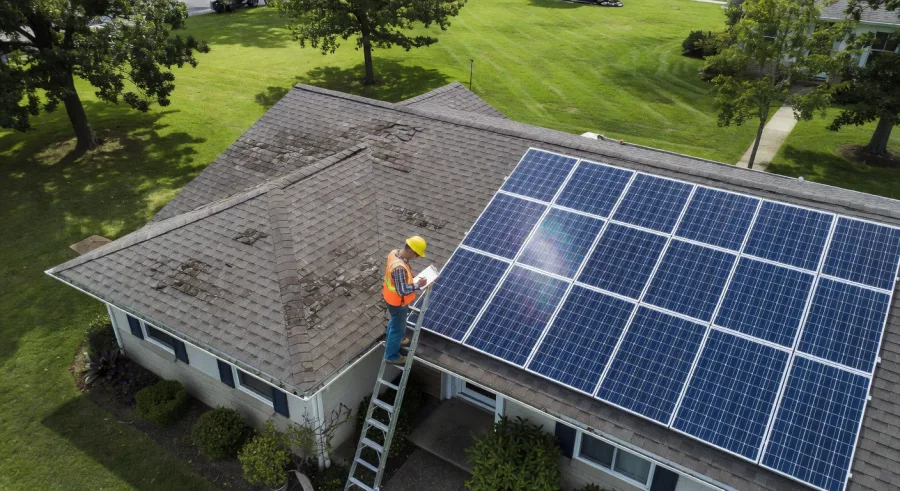
Solar panels are designed to last 25 to 30 years. If your roof is already 15 to 20 years old, you could be looking at a situation where the panels outlive the shingles underneath them. Removing and reinstalling solar panels to replace a roof mid-way through is a significant added expense, often running several thousand dollars just for the panel removal and reinstallation alone, on top of the roofing work itself.
Most reputable solar installers will inspect your roof before they begin work. If they find the roof is too old or damaged, they may refuse to install until repairs are made, or they may flag the issue and leave it to you to decide. Either way, you need to know what you are walking into before the project starts.
Signs Your Roof May Not Be Solar-Ready
- Age over 15 to 20 years: Asphalt shingles typically last 20 to 30 years, depending on climate and maintenance. If yours are on the older end, a full replacement may be smarter than a repair.
- Visible sagging or soft spots: These can indicate structural issues that must be addressed before any added weight is placed on the roof.
- Missing, cracked, or curling shingles: Even small areas of damage can become serious leaks once penetrations are made for solar mounting hardware.
- Recent or repeated leaks: If you have had water intrusion problems, those must be fully resolved before installation.
- Inadequate attic ventilation: Poor ventilation can shorten the life of both your roof and your solar equipment.
Before getting solar quotes, consider hiring an independent roofing contractor, not one recommended by the solar company, to give you an honest assessment of your roof. Expect to pay a modest inspection fee, but it is money well spent.
Who Pays When Problems Are Found Mid-Project?
This is where things can get complicated. If a solar installer discovers roof problems after the project has already started, the situation can quickly become financially stressful. Here is what you need to understand going in:
- Read the contract carefully. Some solar contracts include language that shifts responsibility for pre-existing roof conditions entirely to the homeowner. If the installer finds damage after work begins, you could be billed for delays or additional labor.
- Ask about their discovery process. A thorough installer will do a detailed roof inspection before any contract is signed, not after installation day arrives.
- Get everything in writing. If the installer assures you the roof is fine, make sure that assessment is documented. If problems come up later, you want a paper trail.
- Understand your warranty boundaries. Most solar installation warranties do not cover water damage caused by a failing roof. You are responsible for keeping the roof beneath the panels in good condition.
Before signing any solar contract, ask the installer directly: What happens if you find roof damage during installation? Who pays, and how is that handled?
Can You Bundle Roof Replacement Into Solar Financing?
The good news is that you are not always forced to pay for a roof replacement out of pocket before going solar. There are several ways to handle this together.
Solar Loans That Cover Roofing Costs
Some solar lenders offer home improvement loans that can include roofing work as part of the total project cost. This means you could finance both the roof replacement and the solar installation together under one monthly payment. Interest rates and terms vary by lender and your credit profile, so it pays to shop around.
FHA Title I and Property Improvement Loans
The FHA Title I program offers government-backed home improvement loans that can be used for both roofing and energy improvements. These loans do not require equity in your home, which can be helpful for homeowners who have limited borrowing options. Check with HUD-approved lenders to see if you qualify.
PACE Financing
Property Assessed Clean Energy, or PACE, financing allows homeowners in participating states to finance energy improvements, including roofing connected to solar projects, and repay the loan through their property tax bill. PACE is available in a growing number of states, though it is not available everywhere. Be sure to understand the terms carefully, since the loan is tied to your property.
State and Local Programs for Seniors
Many states offer weatherization and home repair assistance programs specifically for older or lower-income homeowners. Some of these can cover roofing repairs or replacements, which would then free up your solar budget for the panels themselves. Programs vary widely by state and funding availability, so contact your local Area Agency on Aging or your state energy office to ask what is available in your area.
Does a New Roof Qualify for the Solar Tax Credit?
This is a common and important question. In general, the federal Investment Tax Credit covers 30 percent of the cost of solar panel installation, but it does not cover a standalone roof replacement. However, if a portion of the roofing work is directly necessary to support the solar installation, such as reinforcing a roof section where panels will be mounted, that portion may be eligible. Tax rules can change and situations vary, so speak with a qualified tax professional before making assumptions about what qualifies.
How to Protect Yourself as a Senior Homeowner
- Get an independent roof inspection before meeting with solar companies.
- Request a detailed written scope of work from any solar installer before signing.
- Compare at least three quotes, and ask each company how they handle roof issues.
- Ask your installer whether they work with roofing contractors and whether bundled financing is available.
- Contact your state energy office or local utility company about incentive programs that may offset some of your costs.
- Consult a tax advisor about what portions of your project may qualify for the federal tax credit.
The Bottom Line for Retirees Considering Solar
Solar energy is a smart long-term investment for many older homeowners, and the combination of the federal tax credit, state incentives, and lower electric bills can make it genuinely worthwhile. But going in with a clear-eyed understanding of your roof's condition is essential. The seniors who come out ahead are the ones who do their homework first, ask hard questions before signing, and make sure there are no costly surprises hiding under those shingles.
Your next step is simple: contact your state energy office or visit the Database of State Incentives for Renewables and Efficiency at dsireusa.org to find out what programs are available in your area. You can also reach out to your local Area Agency on Aging to ask about home repair assistance programs that may help with roofing costs before your solar project begins.
Advertisement