Advertisement
Home Insurance After Renovation: Why Seniors Must Update Coverage Immediately
You just finished a major renovation — a brand-new accessible bathroom, a sprawling kitchen remodel, or a sunroom addition to enjoy your retirement years. The contractors are gone, the dust has settled, and everything looks beautiful. But here is something most homeowners do not think about until it is too late: that renovation may have quietly changed your home insurance situation in ways that could cost you thousands of dollars. For Americans 55 and older, understanding home insurance after renovation seniors coverage update is not just smart financial planning — it is essential protection for the home you have spent a lifetime building.
Whether you added square footage, upgraded your electrical panel, or installed a walk-in tub for aging-in-place comfort, your insurer needs to know. Failing to notify them at the right time — and in the right way — can leave you seriously exposed.
How a Renovation Can Silently Invalidate Your Existing Coverage
Most homeowners insurance policies cover your home at its replacement cost — what it would cost to rebuild it from scratch if disaster struck. When you renovate, that number often increases significantly. A high-end kitchen remodel, for example, can add tens of thousands of dollars to your home's replacement value. If you do not update your policy, you may be insured for far less than what it would actually cost to rebuild.
This situation — called being underinsured — is surprisingly common after renovations. In the event of a fire or major storm, your insurance payout might cover only a fraction of your actual loss. The gap comes out of your pocket.
There is also the question of policy exclusions. Many standard homeowners policies include language requiring you to notify your insurer before or shortly after making material changes to the structure of your home. If you complete a renovation without notifying your insurer and then file a claim related to that renovation, your claim could be denied or reduced. Always read your policy's notification requirements carefully — or call your agent to ask directly.
The Aging-in-Place Upgrade Trap
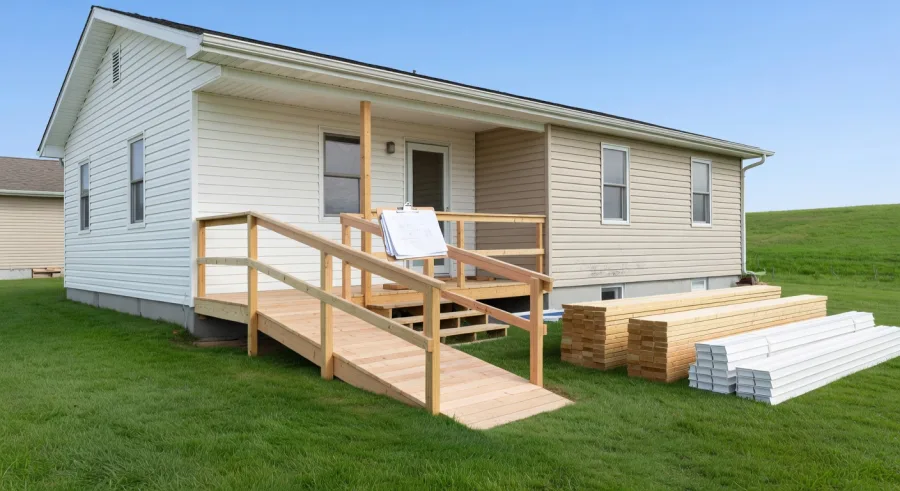
Many seniors invest in aging-in-place improvements such as grab bars, stair lifts, widened doorways, roll-in showers, or ramp installations. These upgrades are wonderful for safety and independence, but they also change the value and character of your home. Some of these modifications are costly to rebuild if damaged, and a standard policy written years ago may not reflect those values.
Additionally, if a contractor was hired for the work, there is a liability question. Were they properly licensed and insured? If a worker is injured on your property and the contractor lacks adequate insurance, you could be held liable. Your homeowners liability coverage may offer some protection, but the limits on older policies may not be sufficient. After any significant renovation, it is worth reviewing your liability coverage limits with your agent.
What to Do Before Work Even Begins
- Call your insurer before the project starts. Let them know the scope of work and ask whether your current coverage is adequate during construction.
- Verify your contractor's insurance. Ask for a certificate of insurance showing general liability and workers compensation coverage.
- Ask about a builders risk policy. For large additions or structural work, a temporary builders risk policy can protect materials and work in progress.
How Renovations Can Actually Lower Your Premiums
Not all news is bad. Certain renovations can make you eligible for meaningful premium discounts — and this is where seniors can turn a renovation into a real money-saving opportunity.
- New roof: Replacing an aging roof with impact-resistant materials can result in a noticeable rate reduction in many states. Insurers view a newer roof as a major reduction in storm and water damage risk.
- Updated electrical or plumbing systems: Older wiring and plumbing are among the top causes of home fires and water damage claims. Upgrading these systems signals lower risk to insurers.
- Security system installation: Adding a monitored security system, smart smoke detectors, or water leak sensors often qualifies you for a discount. Ask your insurer what systems they recognize.
- Storm shutters or hurricane-resistant windows: In storm-prone states, these upgrades can lead to significant savings on wind coverage.
The key is to proactively notify your insurer after completing these improvements and ask specifically about any discounts you may now qualify for. Insurers do not automatically apply discounts — you have to ask.
Updating Your Coverage After the Renovation: A Step-by-Step Approach
Once your renovation is complete, do not wait. Here is a practical process to make sure your home insurance after renovation seniors coverage update is handled correctly.
Step 1: Document Everything
Take dated photos of all completed work. Keep copies of contractor invoices, permits, and receipts for materials. This documentation is invaluable if you ever need to file a claim and also helps your insurer accurately assess your home's new replacement value.
Step 2: Contact Your Insurance Agent or Company
Call your current insurer and describe the renovation in detail. Ask them to reassess your dwelling coverage limit to reflect the increased replacement cost. This is also a good time to ask about any new discounts that apply.
Step 3: Shop Around for Better Rates
Even if your current insurer adjusts your policy, this is an ideal moment to comparison shop. Shopping around can save 20% to 30% or more on premiums, and your home's improved condition may make you more attractive to other insurers. Get at least three quotes and compare them carefully — not just on price, but on coverage terms.
Step 4: Consider Bundling
If you also have an auto insurance policy, bundling home and auto with the same insurer typically saves 10% to 25% on your total premiums. After a renovation that may increase your home insurance costs, bundling can help offset some of that increase.
Step 5: Review Your Deductible
Raising your deductible — for example, from $1,000 to $2,500 — can meaningfully reduce your annual premium. This strategy works well for seniors who have an emergency fund and want to lower ongoing costs. Just make sure the deductible you choose is one you could comfortably cover if needed.
Annual Reviews Are Not Optional
A renovation is also a reminder that home insurance is not a set-it-and-forget-it product. Reviewing your coverage annually ensures you are never over-insured or under-insured. Home values change, your possessions change, and your risk profile changes — especially as you make improvements or age in place.
Homeowners who have not filed claims in several years may also qualify for claims-free discounts. Ask your insurer about these rewards during your annual review.
Take Action Today to Protect What You Have Built
Your home is likely your most valuable asset, and a renovation is one of the biggest investments you can make in it. Do not let an outdated insurance policy leave that investment unprotected. Whether your project was a modest bathroom upgrade or a full addition, updating your home insurance after renovation seniors coverage update is a straightforward step that can prevent enormous financial pain down the road.
Your next step: Visit SavingsHunter.com to explore our free comparison guides for homeowners insurance, learn which discounts seniors qualify for most often, and find tips for working with your insurer to get the best coverage at the best price. Start by reviewing your current policy today — your future self will thank you.
Advertisement