Advertisement
If you are 55 or older and managing a new or worsening disability, the idea of leaving your job may feel inevitable. But it does not have to be. Vocational rehabilitation workplace accommodations programs exist specifically to help people like you stay in the workforce — with real funding, hands-on support, and services that are completely free to eligible individuals. This guide explains how state Vocational Rehabilitation (VR) programs can work alongside your current employer to get you the tools and changes you need to keep doing the job you already have.
What Is Vocational Rehabilitation?
Vocational Rehabilitation is a federally supported, state-run program available in every state. It is designed for people with physical or mental disabilities that create a barrier to employment. While many people think of VR as a program for people who are out of work and looking for a new career, it is equally valuable for people who are currently employed but struggling to maintain their position due to a disability.
VR counselors can help you access a wide range of services, including job training, career counseling, assistive technology, and — importantly — funding and facilitation of workplace accommodations that allow you to continue in your existing role.
What Counts as a Workplace Accommodation?
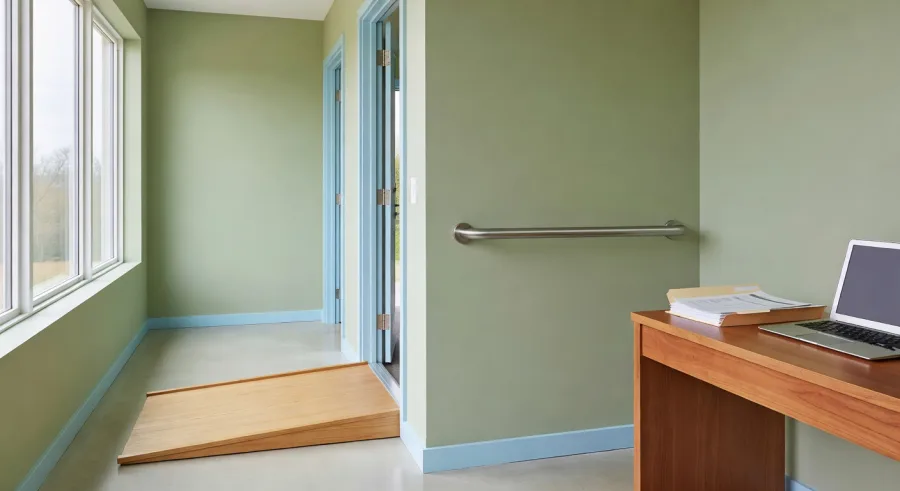
A workplace accommodation is any modification to your job duties, environment, schedule, or equipment that makes it possible for you to perform your work effectively despite a disability. Common examples include:
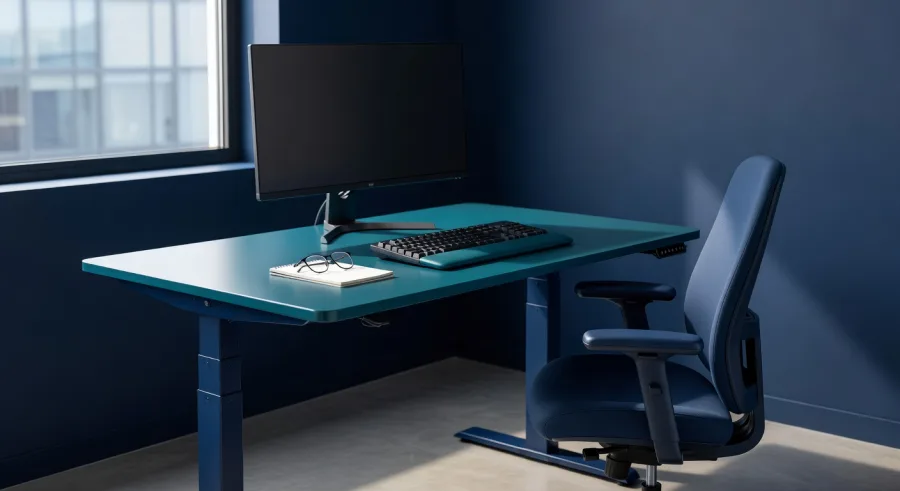
- Ergonomic equipment — adjustable desks, specialized keyboards, supportive seating, or anti-fatigue mats for people managing back problems, arthritis, or joint pain
- Assistive technology — screen readers, voice-recognition software, amplified phones, or magnification tools for vision or hearing impairments
- Modified work schedules — adjusted hours or flexible start times to accommodate medical appointments or fatigue related to a chronic condition
- Adaptive tools — grip aids, modified hand tools, or other devices that help people with limited dexterity or strength continue physical job tasks
- Transportation support — in some cases, help getting to and from work when driving becomes difficult
Your disability does not need to be severe or permanent. If it is creating a real obstacle to doing your job — whether it is a recent diagnosis, a progressive condition, or an injury — you may qualify for VR services.
How Vocational Rehabilitation Workplace Accommodations Work in Practice
Here is what the process typically looks like for someone who is currently employed and seeking support:
Step 1: Apply to Your State VR Agency
Start by contacting your state's VR agency. You can find your state's program through the Rehabilitation Services Administration website or by searching your state name plus the phrase vocational rehabilitation. The application process usually involves an intake interview and a disability verification step. Many agencies offer in-person, phone, or online options.
Step 2: Work With a VR Counselor
Once accepted, you are paired with a VR counselor who helps assess your situation. For workers who want to stay in their current job, the counselor will evaluate what specific barriers exist and what accommodations could remove those barriers. This is a collaborative process — your input matters.
Step 3: Develop an Individualized Plan for Employment
Together with your counselor, you create an Individualized Plan for Employment (IPE). This is a written plan that outlines the services VR will provide and the goals you are working toward. If your goal is to stay in your current role, the plan will focus on the specific accommodations and support you need to do that.
Step 4: VR Funds and Facilitates the Accommodations
This is where the program delivers real, tangible value. VR can purchase equipment, fund assistive technology, cover training costs, and even work directly with your employer to help implement changes. In some cases, VR agencies can invest significant amounts — often described as $10,000 or more — in a single individual's employment plan, depending on state funding and individual need.
VR Can Also Help You Talk to Your Employer
One of the most underused aspects of VR is its role as a mediator and advocate between you and your employer. Many people in their 50s and 60s feel uncomfortable asking their employer for accommodations — especially if they have been in the same role for years and worry about how the conversation will go.
A VR counselor can:
- Help you understand your rights under the Americans with Disabilities Act (ADA)
- Advise you on how to document and request accommodations formally
- Communicate directly with your employer or HR department, if you choose
- Connect you with a job coach who can assist during a transition period
You do not have to navigate this conversation alone. VR counselors are trained to help bridge the gap between employees with disabilities and their employers — and the service costs you nothing.
Who Is Eligible?
To qualify for Vocational Rehabilitation, you generally need to meet two criteria:
- You have a physical or mental disability — whether diagnosed or documented
- That disability creates a barrier to getting, keeping, or advancing in employment
There is no age limit. Adults 55 and older are equally eligible, and some state agencies have staff or specialized services with experience supporting older workers. Income is generally not a factor for basic eligibility, though it may affect which services are prioritized if a state has a waiting list.
Common Misconceptions About VR for Older Workers
Many people over 55 assume that VR is only for younger adults starting their careers, or only for people with very severe disabilities. Neither is true. VR is designed to serve anyone whose disability creates a barrier to work — including people with diabetes-related complications, hearing loss, low vision, chronic pain, early-stage neurological conditions, or mobility challenges that developed over time.
If you are still working but struggling, that is exactly the kind of situation VR was built to address.
Take the Next Step Today
If a disability is making it harder to do your job and you want to keep working, vocational rehabilitation workplace accommodations services may be exactly what you need. The program is free, available in your state, and designed to meet you where you are — including right where you already work.
To get started, visit the Rehabilitation Services Administration website at rsa.ed.gov to find your state's VR agency contact information. You can also call your state's VR office directly to ask about eligibility and schedule an intake appointment. The sooner you reach out, the sooner a counselor can start working on a plan to help you stay in the job you have worked hard to build.
Advertisement