Advertisement
If you or someone you love is 60 or older and living on a fixed income, you may already qualify for a program that delivers a box of free groceries to your door — or to a nearby pickup location — every single month. The Commodity Supplemental Food Program (CSFP) provides monthly food packages to over 700,000 seniors across the country, and understanding exactly what's inside those CSFP food box contents can help you decide if this benefit is right for you.
This guide breaks down everything typically found in a CSFP food package, explains the nutritional value of those items, and shows you how to start receiving your monthly box.
What Is the CSFP and Who Manages It?
The Commodity Supplemental Food Program is a federally funded nutrition assistance program managed by the U.S. Department of Agriculture (USDA). It is specifically designed for low-income adults aged 60 and older. Unlike some other food assistance programs, CSFP delivers pre-packaged boxes of shelf-stable and refrigerated goods — items carefully selected to support the nutritional needs of older adults.
Boxes are distributed through a network of local food banks, community organizations, and other approved agencies. Availability, pickup schedules, and minor variations in contents can differ depending on where you live, but the core contents are standardized at the federal level.
A Full Breakdown of Typical CSFP Food Box Contents
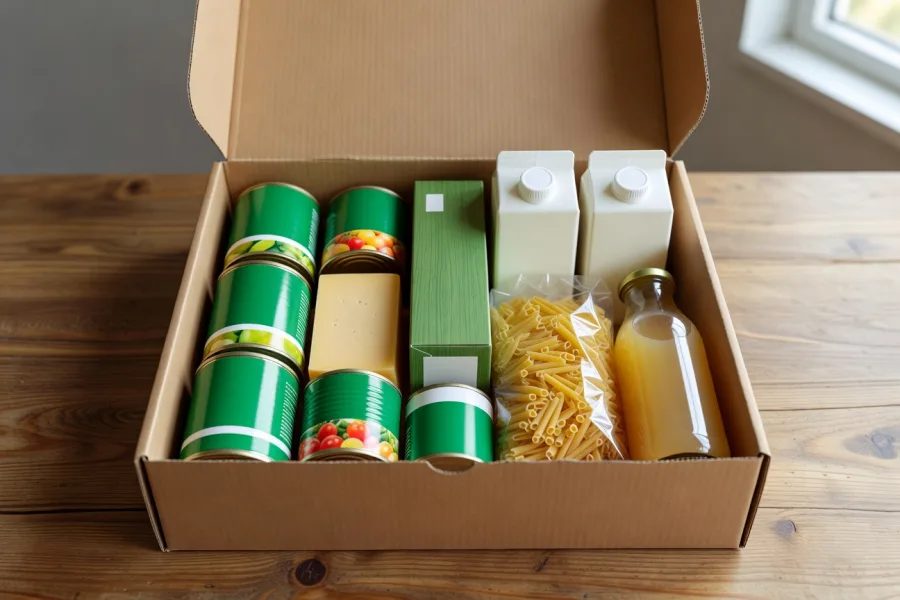
Each monthly CSFP food box is valued at approximately $50 or more in groceries, though the exact value can vary by state and the time of year. Here is a detailed look at the categories and specific items you can typically expect to find:
Canned Fruits and Vegetables
- Canned fruits — such as peaches, pears, mixed fruit, or applesauce
- Canned vegetables — commonly green beans, corn, peas, carrots, or spinach
- Tomato products — including diced tomatoes or tomato sauce in some distributions
These items provide important vitamins and minerals, including Vitamin C, Vitamin A, potassium, and dietary fiber. Canned produce is an excellent pantry staple because it has a long shelf life and requires no refrigeration until opened.
Canned Protein Sources
- Canned meat — typically canned chicken or canned tuna
- Canned beans or legumes — such as kidney beans or pinto beans, depending on availability
Protein is especially important for seniors to help maintain muscle mass and support immune function. These canned proteins are easy to prepare, versatile, and require no cooking equipment beyond a can opener and basic stovetop access.
Grains and Pasta
- Cereal — typically a fortified, ready-to-eat variety or oatmeal
- Pasta — such as spaghetti or elbow macaroni
- Rice — included in some distributions
Whole grain and fortified cereal options in the CSFP food box contents help provide B vitamins, iron, and sustained energy throughout the day. Pasta is a filling, affordable staple that pairs easily with the canned vegetables and sauces also included in the box.
Dairy Products
- Cheese — often a block or individual portions of processed American cheese or similar varieties
- Shelf-stable milk — UHT (ultra-high temperature) milk that does not require refrigeration until opened
- Evaporated milk — a common alternative depending on the distribution
Dairy is a key source of calcium and Vitamin D, two nutrients that are critical for bone health in older adults. The shelf-stable milk options included in the CSFP box are particularly convenient for seniors who may have limited refrigerator space or who shop infrequently.
Juice
- 100% fruit juice — commonly apple juice, grape juice, or a citrus blend
Juice contributes Vitamin C and natural sugars for energy. Look for the 100% juice label in your box, which means no added sweeteners — just pure fruit nutrition.
Additional Items
Depending on your state and the month of distribution, your CSFP food box may also include:
- Peanut butter — a high-protein, shelf-stable spread
- Dried lentils or split peas — affordable and nutrient-dense protein sources
- Canned soup or broth
While the exact combination of items rotates slightly month to month and varies by region, the USDA ensures that every box meets specific nutritional standards intended to supplement — not replace — a senior's full diet.
How Much Is the CSFP Food Box Worth?
Each monthly CSFP food package is valued at approximately $50 or more in groceries, though actual value depends on current commodity prices and what items are included in that particular month's distribution. Over the course of a year, that adds up to $600 or more in free food assistance for eligible seniors.
For seniors living on Social Security or other fixed income, these monthly food packages can make a meaningful difference in both nutrition and monthly budget flexibility.
How the CSFP Food Box Contents Compare to Your Nutritional Needs
The USDA designs CSFP food packages with older adults specifically in mind. Common nutritional gaps in the senior population — including insufficient calcium, Vitamin D, fiber, and protein — are all addressed through the combination of dairy, canned produce, grains, and proteins in each box.
It is important to remember that the CSFP box is designed as a supplement to your existing diet, not a complete meal plan. You will still want to shop for fresh produce, additional proteins, and other items not covered in the box. Think of your monthly CSFP package as a foundation that stretches your food budget further.
Who Qualifies for the CSFP Food Box Program?
To be eligible for CSFP, you generally must:
- Be 60 years of age or older
- Meet income guidelines set by your state (based on federal poverty level guidelines, which are updated annually)
- Live within the service area of a participating local agency
Income limits vary by state and household size, so even if you think you might not qualify, it is worth checking with your local CSFP agency directly. Many seniors are surprised to find they are eligible.
How to Sign Up and Start Receiving Your Monthly Box
Getting started with CSFP is straightforward. Here is what to do:
- Find your local CSFP agency by visiting the USDA Food and Nutrition Service website at fns.usda.gov/csfp and using their state contact directory
- Call your local food bank — most food banks that operate CSFP programs can walk you through the application process over the phone
- Ask at your senior center — many community senior centers serve as CSFP distribution sites and can help you apply on the spot
There may be a waitlist in some areas due to high demand, so it is best to apply as soon as possible. Once approved, you will typically receive your first box at the next scheduled distribution date.
Start Claiming Your CSFP Food Box Today
The CSFP food box contents offer real, practical nutrition support for seniors who need it most. From canned proteins and vegetables to dairy and grains, each monthly package is built to help older Americans eat well without stretching an already tight budget.
Do not leave this benefit on the table. Visit fns.usda.gov/csfp today, or call your local food bank to ask about CSFP enrollment in your area. You have earned these benefits — now it is time to use them.
Advertisement