Advertisement
Your Address Is Costing You More Than You Realize
Most drivers know that a speeding ticket or a fender bender can raise their auto insurance premiums. But fewer realize that one of the biggest factors shaping how location affects car insurance rates has nothing to do with how well you drive. It has everything to do with where you live. Insurers look at your zip code the moment you request a quote, and that single piece of information can swing your annual premium by hundreds of dollars — sometimes more.
For Americans 55 and older, this is especially worth understanding. Whether you are approaching retirement and considering a move, already settled in a new community, or simply looking to trim your monthly expenses, knowing how geographic pricing works gives you real leverage. And in many cases, you have more options than you think.
How Insurers Use Location to Set Your Premium
Insurance companies divide the country into what they call rating territories — geographic zones that can be as large as a county or as small as a handful of zip codes. Within each territory, they analyze historical data on:
- Traffic density and accident frequency
- Vehicle theft and vandalism rates
- Frequency and severity of weather-related claims
- The cost of local auto repair labor and parts
- Litigation patterns and average claim payouts in the area
A driver with a clean record living in a dense urban neighborhood with high theft rates may pay significantly more than an identical driver in a quiet rural town — even if both have the same car, the same coverage, and the same driving history. This is not a flaw in the system; it is how insurance pricing is designed. But it does mean that geography is a variable you may be able to influence, especially during a major life transition like retirement.
Urban vs. Suburban vs. Rural: The General Pattern
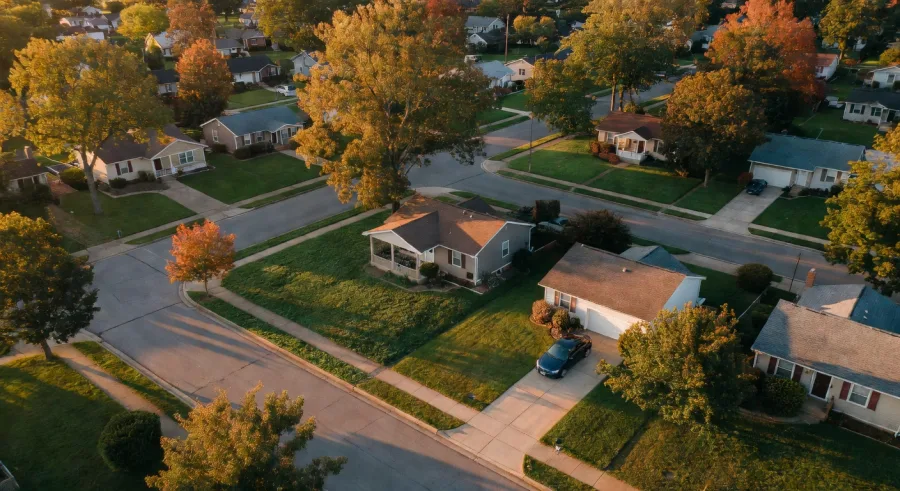
As a rule of thumb, urban areas tend to carry the highest premiums because of higher accident rates, more theft, and greater repair costs. Suburban areas often fall in the middle. Rural areas frequently enjoy the lowest rates — though they are not immune to spikes driven by weather risks like hail, flooding, or wildlife collisions. The specific differences vary significantly by state and by insurer, so no two situations are exactly alike.
How This Matters for Retirees Considering a Move
If you are thinking about relocating in retirement — whether to be closer to family, to lower your cost of living, or simply to enjoy a change of scenery — auto insurance is one of the financial factors worth including in your planning. A move from a large metro area to a smaller city or a rural community could reduce your premium noticeably, sometimes by 20% or more depending on the states involved.
Before signing a lease or closing on a home, it is worth getting insurance quotes tied to the new address. Many major insurers allow you to request a quote online using a prospective address. Doing this comparison before you move gives you a clearer picture of your true cost-of-living change — not just housing, utilities, and groceries, but insurance as well.
The Garaged Vehicle Question
Even if you are not moving, where you garage your vehicle overnight matters. Insurers typically rate your policy based on the address where your car is regularly kept, not just your mailing address. If you spend winters in Florida and summers in Michigan, for example, the state where you register and garage your vehicle will play a role in which insurer you use and what you pay. Be honest with your insurer about your situation — misrepresenting your garaging address can create serious problems at claim time.
What You Can Do to Lower Your Location-Based Premium
Even if you cannot or do not want to move, there are concrete steps you can take to reduce what your zip code costs you.
1. Comparison Shop Aggressively
This is the single most powerful tool available to you. Insurers do not all price geographic risk the same way. One company might penalize your zip code heavily; another might weight other factors more. Comparison shopping can save drivers 20% to 40% or more on premiums — sometimes just by switching from one well-known carrier to another. Use online comparison tools or work with an independent insurance agent who can shop multiple carriers on your behalf.
2. Ask About Discounts That Offset Location Costs
Many insurers offer discounts that can counterbalance a high-rate territory. These include:
- Low-mileage discounts — Retirees who drive less than average may qualify for meaningful savings.
- Good driver discounts — A clean record still matters, even in a high-rate area.
- Bundling discounts — Combining your auto and home insurance with one carrier often yields a 10% to 25% discount.
- Usage-based or telematics programs — These programs track your actual driving habits via an app or device. Safe, low-mileage drivers can save 10% to 40%, and your zip code matters less when your real driving behavior is the measure.
3. Adjust Your Coverage on Older Vehicles
If you drive an older vehicle that has depreciated significantly, carrying comprehensive and collision coverage may no longer be cost-effective — especially in areas where those premiums run high. Dropping those coverages on a low-value car can save hundreds of dollars per year. A general guideline is to weigh the annual cost of those coverages against the actual cash value of your vehicle, but talk with your agent to find the right balance for your situation.
4. Raise Your Deductible
Increasing your deductible from $500 to $1,000 can reduce your premium by 15% to 30% in many cases. This strategy works best if you have a solid emergency fund and can comfortably cover a higher out-of-pocket cost in the event of a claim.
The Bottom Line: Your Zip Code Is Not Your Destiny
Understanding how location affects car insurance rates puts you in a stronger position as a consumer. You may not be able to change where you live today, but you can shop smarter, ask better questions, and take advantage of discounts designed for drivers just like you. For older adults who are relocating or reconsidering their finances in retirement, this knowledge can translate into real, lasting savings.
Even a 15% reduction on a $1,800 annual premium adds up to $270 back in your pocket every year — and over a decade of retirement, that is meaningful money.
Your Next Step
Start by gathering your current policy details — your coverage levels, deductible, and annual premium. Then visit a reputable insurance comparison website or contact an independent insurance agent to request quotes tied to your current address. If you are considering a move, request quotes for both locations side by side. You may be surprised at how much room there is to save — and how much your zip code does not have to define what you pay.
Advertisement