Advertisement
If you applied for emergency rental assistance and the program sent funds directly to your landlord, you might assume everything is settled. But what happens if your landlord still says you owe money — or worse, still threatens eviction? Understanding how to handle rental assistance paid to landlord verification is one of the most important steps renters can take after receiving help. This guide walks you through exactly what to do next, so you can protect yourself and your housing stability.
Why Direct Payment to Landlords Can Get Complicated
Emergency rental assistance programs were designed to get money to landlords quickly, which is why most programs pay them directly rather than putting funds in your hands. This approach helps ensure the money goes toward rent. But it also means you, the renter, are somewhat removed from the transaction. You may not receive a receipt. You may not know exactly when the check arrived. And in some cases, landlords have been slow to apply payments to tenant accounts or have claimed they never received funds at all.
This does not mean your landlord is dishonest — payments can be delayed, mailed to wrong addresses, or require processing time. But it does mean you should take a few simple steps to confirm everything went through correctly.
Step 1: Get a Payment Confirmation From the Assistance Program
Your first move after being approved for rental assistance should be to contact the agency that processed your application. This might be your local housing authority, a nonprofit administering the program, or a county or city office. Ask them directly:
- Was payment issued to my landlord?
- What was the payment date and amount?
- How was it sent — check, direct deposit, or another method?
- Can I get written confirmation or a payment record?
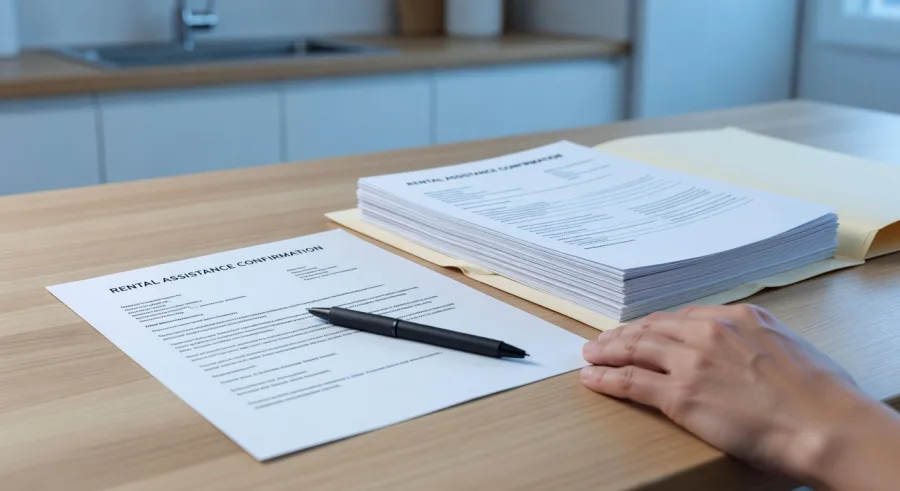
Many programs can provide a payment confirmation letter or printout showing the landlord received funds. Keep this document in a safe place. It is your evidence that the money was sent.
Step 2: Request a Written Statement From Your Landlord
Once you know payment was issued, ask your landlord in writing to confirm they received it and that it has been applied to your account. Send your request by email or text so you have a time-stamped record of the exchange. You can keep it simple:
I wanted to follow up on the emergency rental assistance payment sent on your behalf. Could you please confirm in writing that you received the funds and that they have been applied to my rental balance? Thank you.
A reasonable landlord will respond with a written update. If they confirm receipt, save that message. If they claim the funds never arrived, move on to the next steps below.
What If Your Landlord Says the Payment Never Arrived?
This situation is stressful, but it is solvable. Here is what to do:
- Go back to the assistance program. Provide them with the payment confirmation you already have and let them know the landlord is disputing receipt. The program may be able to trace the payment, stop a check and reissue it, or contact the landlord directly.
- Ask for a check number or transaction ID. If the payment was sent by check, there is a check number. If sent electronically, there is a transaction record. The assistance agency should be able to provide this so the landlord can locate the payment on their end.
- Contact your local legal aid office. If your landlord is threatening eviction even after payment was confirmed sent, a legal aid attorney can help you present the payment documentation in court and argue for a stay of eviction proceedings. Legal aid services are free or low-cost for income-qualified renters.
Step 3: Know Your Rights if a Landlord Misapplies the Funds
Assistance funds are typically designated for specific months of rent arrears. Your landlord is generally required to apply them to those months — not to other fees, future rent, or unrelated charges. If you have reason to believe the funds were applied incorrectly, you have options.
- Contact the rental assistance program and report the discrepancy. Many programs have oversight staff to handle exactly this kind of issue.
- File a complaint with your local housing authority or tenant rights office.
- Document everything — keep copies of your lease, your rental ledger or payment history, and all correspondence with your landlord and the program.
In some states, misapplying designated assistance funds can have legal consequences for a landlord. You do not need to navigate this alone.
How to Keep Records Going Forward
Whether your situation resolves smoothly or hits some bumps, good recordkeeping will protect you. After any rental assistance paid to landlord verification is complete, keep the following documents in one place — a folder, a binder, or a digital file:
- Your original assistance application and approval letter
- Payment confirmation from the assistance agency
- Written communication from your landlord confirming receipt
- Any updated rental ledger showing a zero or reduced balance
- Copies of your lease and any rent receipts going forward
If you ever face an eviction notice in the future, having these records on hand can make all the difference in court.
What If You Still Need Help?
Emergency rental assistance programs continue to operate in many states and counties, often funded through state and local budgets even after federal pandemic-era programs wound down. Eligibility requirements and available funding vary significantly depending on where you live. Some programs can cover up to 18 months of back rent and may also help with utility arrears. The best way to find out what is currently available in your area is to check directly with your local housing authority or call 211, the free nationwide helpline that connects callers to local social services.
You worked hard to get this assistance. Do not let a paperwork gap or a slow landlord put your housing at risk. Take these steps, stay organized, and remember — help is still available if you need more support.
Your Next Step: Verify and Stay Protected
If you are waiting on rental assistance to be paid to your landlord, or if payment has already been sent and you have not received confirmation, act today. Call the agency that processed your application, request written payment confirmation, and follow up with your landlord in writing. If you need free legal help, search for your local legal aid office or call 211 to be connected with housing resources in your community.
Advertisement