Advertisement
If you have State Pharmaceutical Assistance Program coverage and you are still paying full out-of-pocket costs at the pharmacy, there is a good chance your SPAP benefits are not being applied at the pharmacy — and nobody has told you. This kind of prescription billing error happens more often than most people realize, and it quietly drains money from seniors every single month. The good news is that once you know what to look for, you can fix it, and in many cases you can even get money back for past overcharges.
What Is a State Pharmaceutical Assistance Program (SPAP)?
A State Pharmaceutical Assistance Program, or SPAP, is a state-funded benefit designed to help residents — especially older adults and people with disabilities — pay less for prescription drugs. These programs exist on top of Medicare Part D and can also be stacked with federal programs like Medicare Extra Help, sometimes called the Low Income Subsidy.
Not every state offers a SPAP, and the ones that do have their own rules about who qualifies and what they cover. Some programs pay a portion of your drug costs directly. Others reduce your copays or help cover the coverage gap that used to be called the donut hole. The details vary widely depending on where you live, but the core idea is the same: you are entitled to extra savings that most people never fully use.
Why SPAP Benefits Are Not Applied at the Pharmacy
Here is where the problem starts. When you pick up a prescription, your pharmacist runs your insurance information through a billing system. That system needs to know about every coverage layer you have — your Medicare Part D plan, any Extra Help you receive, and your SPAP — in a process called coordination of benefits.
If your SPAP information is missing from the billing system, or if it was entered incorrectly, the pharmacy simply does not apply that benefit. You get charged as if you only have Part D coverage. The pharmacist at the counter may not even realize anything is wrong, especially if they are not familiar with your state program or have not seen it before.
Common reasons this SPAP prescription billing error occurs include:
- Missing enrollment data: Your SPAP enrollment did not get transmitted to your Part D plan or the pharmacy processor in time.
- Incorrect BIN or PCN numbers: These are the billing codes that tell the system which payer to bill. If your SPAP has its own codes and they are not on file, the benefit gets skipped.
- Pharmacist unfamiliarity: In states where SPAP enrollment is low or the program is newer, pharmacy staff may not know how to manually override or check for secondary coverage.
- Plan changes: If you switched Part D plans during open enrollment, the new plan may not yet have your SPAP coordination information updated.
How to Check Whether Your SPAP Benefits Are Actually Being Used
You should not have to guess whether your benefits are working. Here are the exact steps to verify your coverage is being applied correctly every time you fill a prescription.
Step 1: Review Your Receipts and Explanation of Benefits
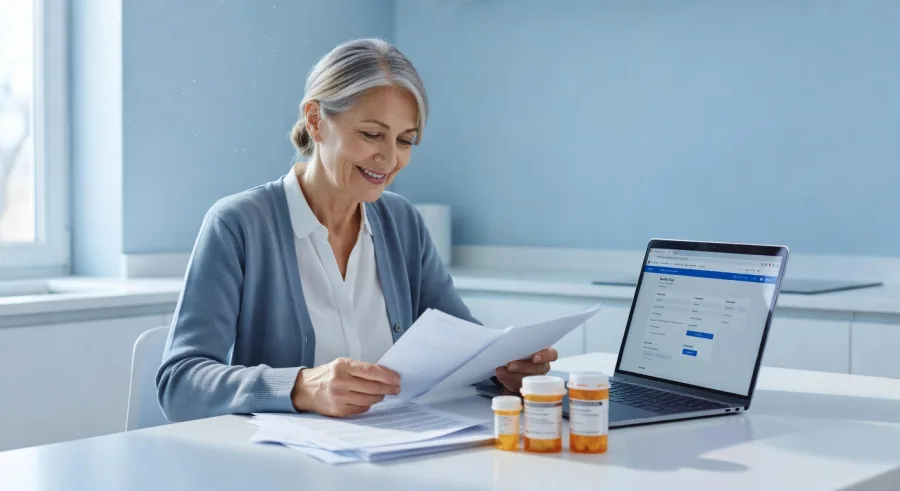
Ask your pharmacist to print a detailed receipt that shows every payer billed for your prescription. If you see only your Medicare Part D plan listed and no secondary payer, that is a sign your SPAP benefits are not applied at the pharmacy. Your Part D plan also mails or makes available an Explanation of Benefits statement — check it each month to see what was billed and what was paid by each source.
Step 2: Contact Your State SPAP Directly
Call your state pharmacy assistance program and confirm that your enrollment is active and that your pharmacy has the correct billing information on file. Ask them specifically for your program's BIN, PCN, and group ID numbers — these are the codes your pharmacist needs to bill the program correctly. Write them down and bring them to the pharmacy.
Step 3: Talk to Your Pharmacist or Pharmacy Manager
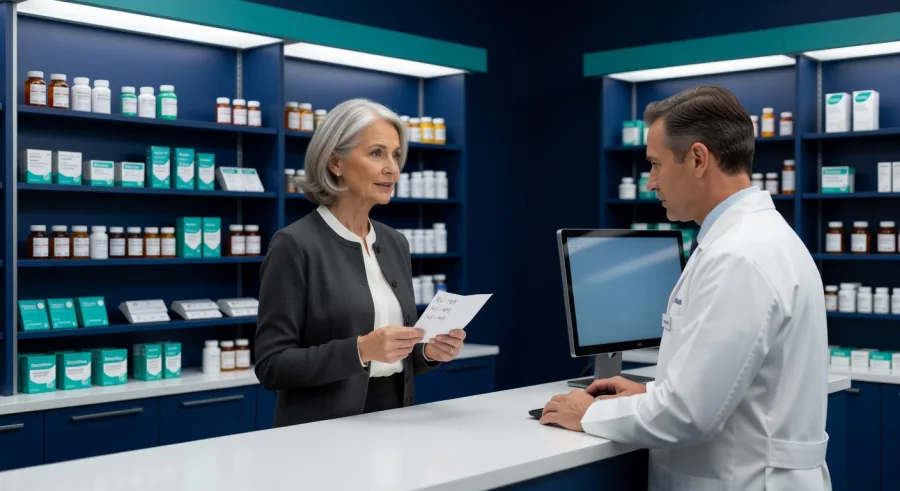
Do not be shy about this conversation. Tell them you are enrolled in your state's pharmaceutical assistance program and ask them to verify that the benefit is loading when they run your coverage. If they are unfamiliar with the program, ask them to contact their pharmacy benefits help desk, which is a support line specifically for resolving billing coordination issues.
Step 4: Ask About Reimbursement for Past Overcharges
If you discover that your SPAP was not being applied correctly, you may be eligible for reimbursement. Contact your SPAP directly and explain what happened. Many programs have a process for refunding overcharges when a billing error can be documented. Keep any receipts and paperwork you have from the past year, as this will help support your request.
Stack Your Savings: SPAP Plus Medicare Extra Help
One of the most powerful things about SPAPs is that they can be combined with other programs. If you also qualify for Medicare Extra Help — which lowers your Part D premiums, deductibles, and copays based on income and resources — using both benefits together can dramatically reduce what you pay out of pocket each month.
Many seniors who are enrolled in Extra Help do not realize they may also qualify for their state's SPAP, and that using both at the same time is not only allowed but encouraged by program administrators.
If you are not sure whether you qualify for Extra Help, Medicare evaluates eligibility based on your income and assets. You can apply through Social Security or through Medicare directly.
What to Do If You Are Not Sure Your State Has a SPAP
Because not every state runs one of these programs, the first step is simply finding out what exists where you live. Coverage, eligibility rules, and benefit amounts change from year to year, so even if you checked before and did not qualify, it is worth looking again.
The fastest way to find out is to call Medicare directly at 1-800-MEDICARE (1-800-633-4227). Representatives can tell you whether your state has a SPAP, give you contact information for the program, and help you understand how it would work alongside your current coverage. TTY users can call 1-877-486-2048.
Take Action Today
A SPAP prescription billing error is not something you should have to accept. If you are enrolled in a state pharmaceutical assistance program and you have not confirmed that your benefits are being applied correctly, make that call this week. Bring your program billing codes to your next pharmacy visit. Ask questions. Request reimbursement if you were overcharged.
These programs exist to put money back in your pocket, but only if the system is set up to use them. You have already done the work to enroll — now make sure you are actually getting the savings you earned.
Next step: Call 1-800-MEDICARE (1-800-633-4227) to confirm your state has a SPAP, get the program's contact details, and verify that your benefits are being correctly coordinated with your Part D coverage. You can also visit Medicare.gov to search for State Pharmaceutical Assistance Programs in your area.
Advertisement