Advertisement
If you are a senior homeowner who has worked hard to qualify for a senior property tax exemption after home damage disaster repair situation becomes a real concern, you may be facing a problem nobody warned you about. A fire, flood, hurricane, or severe storm can do more than damage your home — it can quietly put your property tax exemption at risk, right when your finances are already stretched thin. Understanding how this happens, and what you can do about it, could save you hundreds or even thousands of dollars during an already difficult time.
How Your Property Tax Exemption Can Be Affected by Home Damage
Most senior property tax exemption programs require your home to meet certain conditions to remain eligible. These typically include:
- Primary residence requirement: The home must be your main place of living.
- Occupancy requirement: You must actually be living in the home, or in some programs, intend to return.
- Habitability standards: Some counties check whether the property is in a livable condition.
- Assessed value rules: Programs that freeze your home's assessed value may be complicated by damage assessments or rebuilding activity.
When a disaster strikes and you are forced to leave your home — staying with family, renting a temporary apartment, or moving into assisted living while repairs happen — your exemption can be flagged, reduced, or even suspended. This does not happen in every state or county, but it happens often enough that experts recommend seniors take proactive steps before and after any major damage event.
Which States Offer Disaster Continuity Provisions for Senior Exemptions
The good news is that many states have recognized this problem and created disaster continuity provisions specifically designed to protect senior property tax exemptions during displacement and repair periods. While rules change and vary widely, states that have shown stronger protections in this area have historically included California, Florida, Texas, New York, and New Jersey — though every county within those states may interpret and administer rules differently.
California, for example, has provisions that allow property tax relief to continue when a home is damaged or destroyed by a disaster, and some counties actively reach out to displaced seniors. Florida offers similar protections under its homestead exemption framework. Texas has provisions that allow seniors who are temporarily displaced due to casualty or disaster to maintain their homestead exemption status.
However, many states have no automatic protection. If your state does not have a formal disaster continuity rule, your exemption may lapse silently — and you might not discover the problem until you receive a much higher tax bill months later.
Even if your state has disaster provisions, you usually must file paperwork to activate them. Waiting and assuming your exemption continues automatically is one of the most costly mistakes displaced senior homeowners make.
What to Do Immediately After Significant Home Damage
If your home has suffered fire, flood, storm, or other serious damage, take these steps as soon as it is safe to do so:
- Contact your county tax assessor's office: Call or visit and explain the situation. Ask specifically whether your senior property tax exemption is protected during displacement and what steps you need to take to keep it active.
- File a displacement or continuity notice: Many counties have a simple form you can submit to document that your absence from the property is due to disaster damage, not a permanent move.
- Get a written record of your exemption status: Ask the assessor's office to confirm in writing that your exemption is on file and what conditions must be met for it to continue.
- Notify your homeowners insurance company and your tax assessor simultaneously: Some counties require coordination between insurance claims and tax records, particularly if the structure is being partially demolished or rebuilt.
Documentation to Gather Before, During, and After Repairs
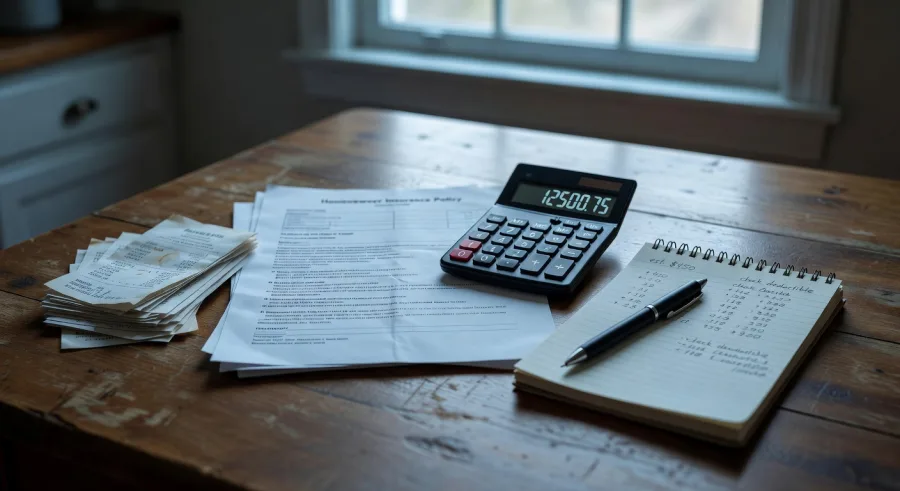
Documentation is your best protection when it comes to preserving your senior property tax exemption after home damage. The more organized you are, the easier it will be to prove your intent to return and maintain eligibility. Here is what to gather and keep copies of:
Before Repairs Begin
- Your current exemption approval letter or certificate from your county assessor
- Photos or video of the damage with timestamps
- Official disaster declaration numbers if your area has been declared a disaster zone by federal or state authorities
- Your most recent property tax bill showing the exemption applied
During the Repair Period
- Signed contracts with licensed contractors showing the scope and expected timeline of repairs
- Building permits issued by your local municipality
- Any correspondence with your insurance company about the claim status
- Documentation of your temporary address and the reason you are living there
After Repairs Are Complete
- Certificate of occupancy or final inspection sign-off
- Confirmation from the assessor's office that your exemption has been restored or continued
- Updated property assessment if the county reassessed the value during reconstruction
What If Your Exemption Was Already Suspended or Removed?
If you discover that your senior property tax exemption after disaster repair was quietly dropped — perhaps because the county flagged the property as uninhabited — do not panic. Most counties have an appeals process, and disaster-related lapses are often reversible when you can demonstrate that your absence was temporary and involuntary.
Start by contacting your county tax assessor's office and asking to speak with someone who handles exemption appeals or disaster-related cases. Bring your documentation, including contractor records, insurance correspondence, and any official disaster declarations. Many senior advocates and Area Agencies on Aging can also help you navigate this process at no cost to you.
How to Find Help in Your Area
You do not have to figure this out alone. Several resources can help you protect your senior property tax exemption during and after a disaster:
- Your county tax assessor's office: The first and most important call to make. Find the contact information on your county government's official website.
- Your state's department of revenue or taxation: State-level agencies often publish guidance documents specifically for disaster-affected property owners.
- Area Agency on Aging (AAA): These federally funded local organizations help seniors navigate benefits and can often connect you with free legal or tax assistance. Find your local AAA at eldercare.acl.gov.
- FEMA disaster assistance: If your area has received a federal disaster declaration, FEMA may offer additional housing and financial assistance that complements your property tax protections.
Take Action Before the Next Disaster — and Right After
The best time to protect your senior property tax exemption is before disaster strikes. Take a moment this week to locate your exemption approval documents, note your county assessor's phone number, and confirm that your exemption is currently active. If you have already experienced home damage, do not wait — contact your county assessor's office as soon as possible and ask directly about disaster continuity options.
Visit your county's official government website or call your local tax assessor's office to find out exactly what protections are available in your area. A single phone call could protect a benefit that saves you a significant amount on your property taxes every single year.
Advertisement