Advertisement
If you are already receiving help from LIHEAP — or trying to qualify — you are taking a smart first step toward managing your energy costs. But LIHEAP is just one piece of the puzzle. There are several other lower energy bills low income programs and practical strategies that can work alongside LIHEAP to stretch your budget even further. Whether you rent or own, live in a cold climate or a hot one, these five approaches can make a real difference on your monthly bills.
1. Apply for the Weatherization Assistance Program (WAP)
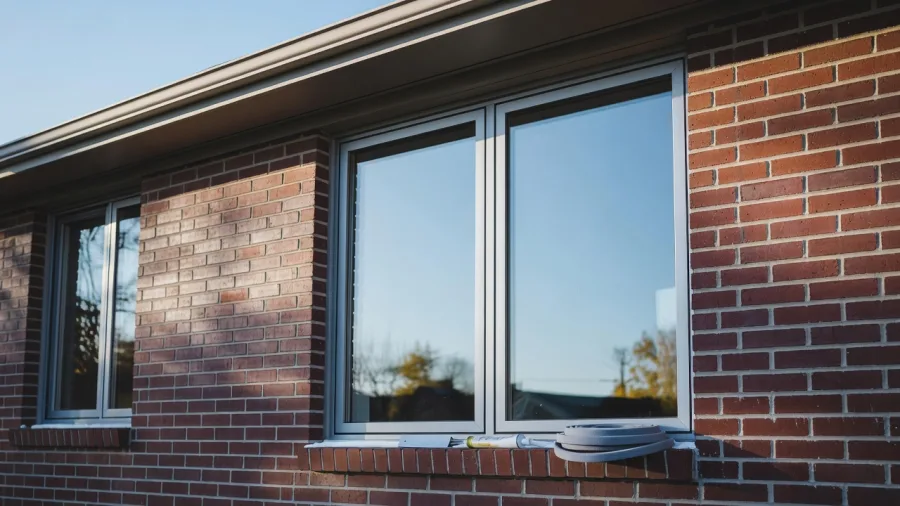
One of the best-kept secrets in energy assistance is the Weatherization Assistance Program, funded by the U.S. Department of Energy. This program sends trained crews to your home to seal air leaks, add insulation, upgrade heating and cooling systems, and make other improvements that permanently reduce the energy your home needs.
Unlike LIHEAP, which helps you pay a bill you already have, weatherization tackles the root cause of high bills. Many households that receive weatherization services see their energy costs drop noticeably every single month — not just once. And like LIHEAP, it is a grant, not a loan. There is nothing to pay back.
The good news: WAP is specifically designed to work alongside LIHEAP. Many local community action agencies administer both programs, so when you call 211 to ask about LIHEAP, ask about weatherization assistance at the same time.
2. Check for Utility Company Assistance Programs
Most major electric and gas utilities offer their own assistance programs for low-income customers. These programs go by different names — budget billing plans, low-income rate discounts, arrearage management programs, or simply utility assistance funds — but they all share one goal: helping customers who are struggling to keep up with bills.
- Discounted rate programs reduce the per-unit cost of energy for qualifying customers, which lowers every future bill automatically.
- Arrearage programs help you clear past-due balances so you can start fresh without the threat of disconnection.
- Budget billing spreads your annual energy cost evenly across 12 months, eliminating those painful winter or summer spikes.
Call the customer service number on your energy bill and specifically ask whether the company has a low-income assistance or hardship program. You may be surprised what is available. These benefits can often be combined with LIHEAP payments, which means your grant money goes even further.
3. Use the Low Income Home Energy Assistance Program to Its Full Potential
If you have not yet applied for LIHEAP, or if you applied last year but did not reapply this year, now is the time to act. Funds are limited in most states and are distributed on a first-come, first-served basis. Waiting too long often means missing out entirely.
LIHEAP can provide significant help — in some cases more than $1,000 toward heating and cooling costs — and it covers electric, gas, oil, and propane. It is a grant, so you never repay it. To find your local LIHEAP office, call 211 or visit your state's social services website. Bring documentation of your income, household size, and recent energy bills when you apply.
Tip: Even if you were denied before or think you earn too much, eligibility rules and funding levels change every year. It always pays to check again.
4. Explore the Lifeline Program for Phone and Internet Savings
You might wonder what a phone bill has to do with energy assistance. Here is the connection: many households that qualify for lower energy bills low income programs like LIHEAP also qualify for Lifeline, a federal program that reduces monthly phone and internet costs. Freeing up money in your phone budget means more room in your overall budget to handle energy costs.
If you receive LIHEAP, Medicaid, SNAP, or SSI, you likely qualify for Lifeline automatically. The program provides a monthly discount on service and is available through many providers nationwide. Visit the official USAC Lifeline website or call your current phone provider to ask about enrollment.
5. Make Simple Home Changes That Lower Energy Use Every Day
Even small changes around your home can add up to real savings over time. You do not need to spend a lot of money to see results. Here are some of the most effective and affordable steps:
- Switch to LED bulbs. LED bulbs use significantly less electricity than incandescent bulbs and last far longer. Many utility companies offer free LED bulbs to low-income customers — ask when you call about assistance programs.
- Use a programmable or smart thermostat. Setting your heat or air conditioning to run less while you sleep or are away from home can reduce energy use without sacrificing comfort. Some utility companies offer these thermostats for free or at a discount.
- Seal drafts yourself. Weatherstripping around doors and plastic film over drafty windows are inexpensive fixes that can noticeably reduce heating and cooling loss.
- Unplug devices when not in use. Electronics draw small amounts of power even when turned off. Unplugging televisions, chargers, and appliances when you are not using them adds up over a month.
- Run appliances during off-peak hours. If your utility offers time-of-use pricing, running your dishwasher or washing machine in the evening or early morning can lower your bill.
How to Stack These Lower Energy Bills Low Income Programs Together
The real power comes from combining these strategies. For example, you might apply for LIHEAP to cover an immediate heating bill, enroll in your utility company's discounted rate program to lower your ongoing costs, and schedule a free weatherization visit to permanently reduce how much energy your home needs. Add Lifeline savings to free up extra budget room, and commit to a few simple daily habits — and you could be looking at significantly lower energy costs year-round.
None of these programs are mutually exclusive. In fact, many are specifically designed to be used together. Local community action agencies are often the single best resource for connecting people with all of these programs at once, so one phone call can open several doors.
Your Next Step Starts with One Phone Call
If you are not sure where to begin, start simple: call 211. This free helpline connects you with local assistance agencies in your area who can walk you through LIHEAP applications, weatherization services, utility assistance programs, and more. Most agencies serve people who are 55 and older and understand the unique challenges of living on a fixed income.
You have worked hard your whole life. These programs exist to help you keep more of your money where it belongs — in your pocket, not on your energy bill. Take five minutes today to make that call or visit your state's energy assistance website. The help you need may be closer than you think.
Advertisement