Advertisement
If you live in public housing and have an extra room, you might wonder: can you sublet or rent out a room in your public housing unit as a senior? Maybe you're thinking about bringing in a little extra income, hosting a short-term guest through Airbnb, or letting a friend stay in exchange for rent. It sounds practical — but the rules around public housing are strict, and what seems like a harmless arrangement could put your housing at serious risk. This guide breaks down exactly what is and isn't allowed, how housing authorities find out, and what alternatives you might have.
What Public Housing Rules Say About Subletting and Renting Out Rooms
Public housing is administered by local Public Housing Authorities (PHAs) under guidelines set by the U.S. Department of Housing and Urban Development (HUD). When you sign a lease for a public housing unit, you agree to a specific set of rules — and one of the clearest is that subletting is prohibited.
Subletting means renting out your unit — or any part of it — to someone who is not on your lease. This includes:
- Renting a spare bedroom to someone who pays you monthly
- Listing your unit or a room on platforms like Airbnb, VRBO, or similar short-term rental sites
- Having a friend or family member pay you to stay, even informally
- Letting someone else live in your unit while you stay elsewhere
The core reason these arrangements are banned is straightforward: public housing is a limited, subsidized resource meant to serve verified low-income individuals and families. HUD and PHAs must ensure that units are occupied by the people who qualified for them — not by paying guests or unofficial subtenants who never went through the eligibility process.
Why Short-Term Rentals Like Airbnb Are Specifically Off-Limits
Some seniors wonder whether a short-term rental platform like Airbnb might be treated differently — after all, it's just a few nights here and there, right? Unfortunately, that logic doesn't hold up under HUD regulations.
Listing a public housing unit on any short-term rental platform is considered a form of subletting and is a direct violation of your lease agreement. Beyond that, it creates additional problems:
- Income reporting: Any money you receive from renting out your space is considered income. Because rent in public housing is based on approximately 30% of your monthly income, earning rental income without reporting it means you are likely paying less rent than you should — and that is considered fraud.
- Unauthorized occupants: Short-term guests are not on your lease. Having non-approved individuals stay in your unit, even briefly, violates occupancy rules.
- Liability concerns: PHAs carry no liability for injuries or incidents involving unauthorized guests.
HUD's regulations make clear that public housing units must be used solely as the private residence of the tenant and the tenant's household members listed on the lease.
How Housing Authorities Detect Subletting and Unauthorized Rentals
You might assume that a quiet informal arrangement would go unnoticed. But PHAs have several ways of identifying lease violations, including subletting:
- Annual inspections and recertifications: Every year, your PHA will review your household composition and income. Inconsistencies — like extra people present or unexpected income — raise red flags.
- Neighbor reports: People notice unfamiliar faces coming and going, especially in apartment buildings. Neighbors, maintenance staff, and building managers often report suspicious activity.
- Online platform monitoring: Some housing authorities and advocacy groups actively search Airbnb, VRBO, and similar platforms for public housing addresses. This is more common than many people realize.
- Utility and mail discrepancies: Unusual utility usage patterns or mail addressed to non-household members can prompt further investigation.
- Financial audits: If your reported income doesn't match bank deposits or tax records, your PHA may investigate further.
What Penalties Seniors Face if Caught Subletting Public Housing
The consequences of subletting or renting out a room in your public housing unit as a senior can be severe and life-disrupting. PHAs take lease violations seriously, and the penalties can include:
- Lease termination and eviction: This is the most serious consequence. You could lose your housing entirely — and finding affordable housing again after an eviction from a public housing program is extremely difficult.
- Repayment of improperly subsidized rent: If you collected rental income without reporting it, you may owe back-rent calculated on your actual income for the period in question.
- Disqualification from future assistance: An eviction for fraud or lease violations can bar you from public housing and other HUD-assisted programs for years.
- Legal action for fraud: In cases where unreported income is significant, criminal fraud charges are possible, though this is typically reserved for more egregious situations.
What About Letting a Family Member Stay With You?
This is a common question, and the answer is nuanced. Having a family member stay with you temporarily (for a short visit) is generally acceptable. However, if that person lives with you regularly, contributes to household expenses, or stays for an extended period, they typically need to be added to your lease through your PHA. Failing to report a permanent household addition is itself a violation. Always contact your PHA before making any changes to who lives in your unit.
Legitimate Ways Seniors Can Increase Income While in Public Housing
If your motivation is financial, there are legal options worth exploring. Rather than risking your housing, consider:
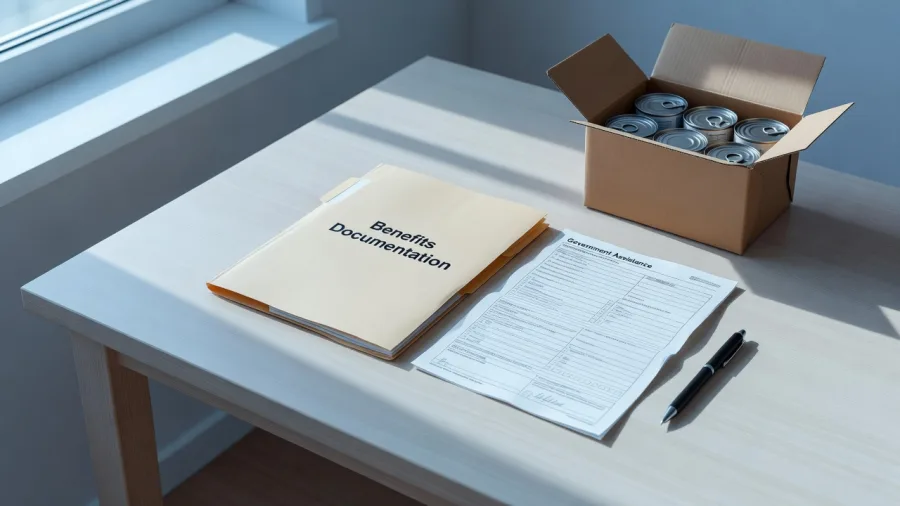
- Applying for the Supplemental Nutrition Assistance Program (SNAP) to reduce grocery expenses
- Looking into Low Income Home Energy Assistance Program (LIHEAP) for utility help
- Exploring part-time or remote work — just be sure to report any income changes to your PHA promptly
- Connecting with your local Area Agency on Aging for additional senior benefit programs in your area
Reporting income changes to your PHA is not something to fear. Your rent will adjust accordingly, and you stay in full compliance with your lease.
The Bottom Line for Seniors in Public Housing
The answer to whether you can sublet or rent out a room in your public housing unit as a senior is a clear no — and the risks of trying are simply not worth it. Your housing stability is too valuable to jeopardize for short-term income. The rules exist to protect a system that serves nearly a million families, and your place in it is worth protecting too.
Next Step: If you have questions about what is and isn't allowed in your specific public housing unit, contact your local Public Housing Authority directly. You can find your local PHA through the official HUD website at hud.gov, or call HUD's main information line at 1-800-955-2232 to get connected with resources in your area.
Advertisement