Advertisement
Your CSFP Food Box Does More Than Feed You
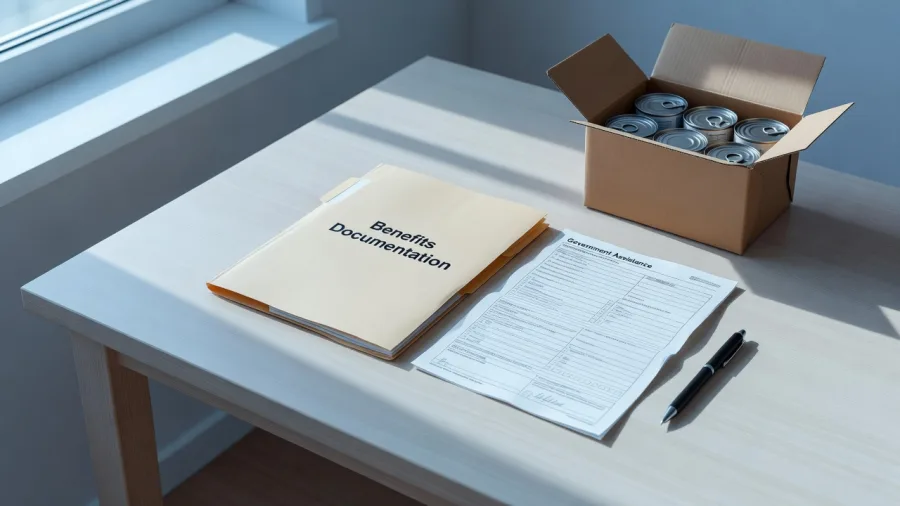
If you are 60 or older and receiving monthly food packages through the Commodity Supplemental Food Program (CSFP), you already know how much those boxes help stretch a tight budget. But here is something many seniors do not realize: your CSFP enrollment and pickup history can also serve as valuable CSFP documentation for rental assistance applications for seniors — helping you demonstrate consistent, verified financial hardship to housing agencies and emergency assistance programs.
This article walks you through exactly how to use that documentation, why housing programs care about it, and what steps you can take right now to build a stronger application for housing help.
What Is CSFP and Who Qualifies?
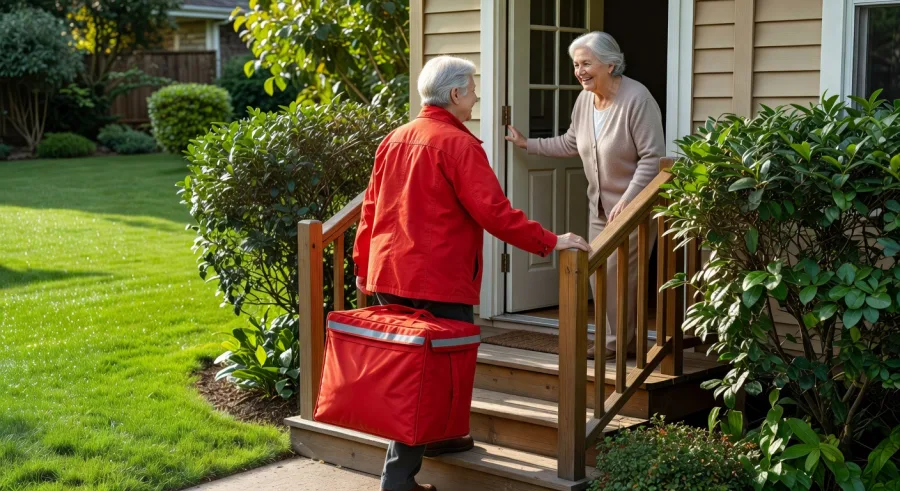
The Commodity Supplemental Food Program is a federally funded program that provides free monthly food packages to low-income adults age 60 and older. Each box typically includes canned fruits and vegetables, canned meat, cereal, pasta, cheese, juice, and shelf-stable milk — staples with an estimated value of fifty dollars or more per month.
More than 700,000 seniors across the country currently participate, receiving their boxes through local food banks, community organizations, and senior centers. To qualify, you must meet income guidelines set by your state, which are generally tied to a percentage of the federal poverty level.
Eligibility thresholds vary by state and are updated periodically, so always check with your local CSFP distribution site for the most current numbers in your area.
Why Housing Programs Pay Attention to Food Assistance Records
When you apply for rental assistance — whether that is a Section 8 Housing Choice Voucher, emergency rental assistance through a local program, or priority placement with a housing authority — caseworkers and reviewers are looking for evidence of ongoing, documented financial hardship. A single month of low income is one thing. A consistent, verifiable pattern of need is something else entirely, and it carries real weight in competitive application processes.
Participation in a program like CSFP tells a clear story. It shows that:
- You were screened and found to meet low-income eligibility requirements
- Your financial need has been verified by a government-recognized program
- Your hardship is not temporary — it is ongoing, month after month
- You are actively seeking assistance through multiple legitimate channels
Housing programs that prioritize applicants with demonstrated, recurring need — particularly seniors on fixed incomes — often look for exactly this kind of multi-source documentation. Your CSFP records give them a concrete data point that supports your case.
How to Gather Your CSFP Documentation for a Rental Assistance Application
Using your CSFP participation as supporting documentation is straightforward, but you do need to be intentional about collecting the right records. Here is what to request and where to get it:
1. Request an Enrollment Verification Letter
Contact the local organization that manages your CSFP food box distribution — this is often a food bank or community action agency. Ask them for a written letter confirming your enrollment in the program. A good verification letter should include your name, the date your enrollment began, and confirmation that you meet the program's income eligibility requirements.
2. Keep a Record of Your Monthly Pickup History
Many CSFP distribution sites keep sign-in logs or digital records of participant pickups. Ask your distribution site whether they can provide a pickup history summary showing the months you received your food package. This creates a timeline that visually demonstrates consistent, recurring need — exactly what housing reviewers want to see.
3. Save Any Annual Recertification Documents
CSFP participants are typically required to recertify their eligibility once a year. Save copies of every recertification form you complete. These documents confirm that your income has been reviewed and verified multiple times, not just once, which adds credibility to your hardship claim.
4. Pair Your CSFP Records With Other Supporting Documents
CSFP documentation for rental assistance applications for seniors works best when combined with other evidence of financial need. Consider gathering:
- Social Security award letters or benefit statements
- Bank statements showing monthly income and expenses
- Utility bills or past-due notices
- Medicare or Medicaid enrollment confirmation
- Any prior rental assistance approval letters or denial notices
Together, these documents paint a full and convincing picture of your financial situation.
Which Housing Programs Accept This Type of Documentation?
Several types of programs may consider CSFP records as supporting evidence when you apply:
- Section 8 Housing Choice Vouchers: Administered by local Public Housing Authorities (PHAs), these programs often prioritize elderly and disabled applicants with demonstrated low income. Supporting documentation of need can strengthen your position on a waitlist.
- Emergency Rental Assistance Programs: Many state and local governments operate emergency rental assistance funds for seniors facing eviction or housing instability. These programs typically require proof of financial hardship, and CSFP records qualify as relevant evidence.
- Senior-Specific Housing Programs: Some local housing authorities operate dedicated senior housing programs with income restrictions. CSFP enrollment documentation aligns directly with the eligibility criteria these programs use.
- Community Action Agency Assistance: The same organizations that distribute CSFP boxes often administer local rental and utility assistance. Mentioning your CSFP participation when you call can help staff connect you to additional resources faster.
A Note on Talking to Caseworkers
When you submit a rental assistance application, do not assume reviewers will automatically recognize the significance of your CSFP records. Include a brief cover note — or mention verbally, if you are applying in person — that your CSFP enrollment reflects verified, income-tested participation in a federal assistance program. A simple sentence like the following can make a difference:
I have been enrolled in the Commodity Supplemental Food Program since [year], a federally recognized food assistance program for low-income seniors 60 and older. My enclosed enrollment letter and pickup history confirm ongoing income eligibility and financial need.
Caseworkers handle large volumes of applications. Helping them quickly understand what your documents show — rather than leaving it to interpretation — gives your application a real advantage.
You Have Already Done the Hard Work — Now Use It
If you are already enrolled in CSFP, you have already been verified as a low-income senior in genuine need. That verification has real value beyond the food box itself. Using your CSFP documentation for rental assistance applications as a senior is not about gaming the system — it is about making sure the full picture of your situation is visible to the people who can help.
Do not leave documentation on the table that could move your application forward.
Your Next Step
Start by contacting your local CSFP distribution site — typically a food bank or community action agency — and request an enrollment verification letter and pickup history summary. Then visit HUD.gov or call 1-800-569-4287 (the HUD Housing Counseling hotline) to find rental assistance programs in your area and get guidance on how to apply. A HUD-approved housing counselor can review your documents, explain local waitlist options, and help you submit the strongest possible application.
You have earned these benefits. Make them work for you in every way they can.
Advertisement