Advertisement
Moving Within Public Housing: What Every Senior Should Know
If you are a senior currently living in public housing and wondering whether you can make a public housing transfer request to move to a different city or simply switch to a more accessible unit nearby, you are not alone. Life changes — health needs shift, family moves away, or your current unit no longer fits your situation. The good news is that options do exist, and understanding how the process works can save you a lot of time and frustration.
This guide breaks down exactly how internal unit transfers work, what happens when you want to relocate to a different city or state, and what steps seniors should take to protect their housing status throughout the process.
Why Seniors Request a Transfer in Public Housing
There are many legitimate reasons a senior might want to change their public housing unit. The most common include:
- Accessibility needs: A health condition, disability, or mobility issue may require a ground-floor unit, wider doorways, or a bathroom with grab bars and roll-in shower access.
- Safety concerns: Some residents feel unsafe in their current building or neighborhood and want to move to a property with better lighting, security, or management.
- Downsizing or rightsizing: Seniors whose children have moved out may be living in a unit larger than they need, and transferring to a smaller unit can free up space for families while reducing utility costs.
- Proximity to family: Moving closer to adult children or caregivers can be a priority for seniors who need occasional support.
- Medical care access: Being near hospitals, clinics, or specialists may become essential as health needs grow.
How to Request an Internal Unit Transfer
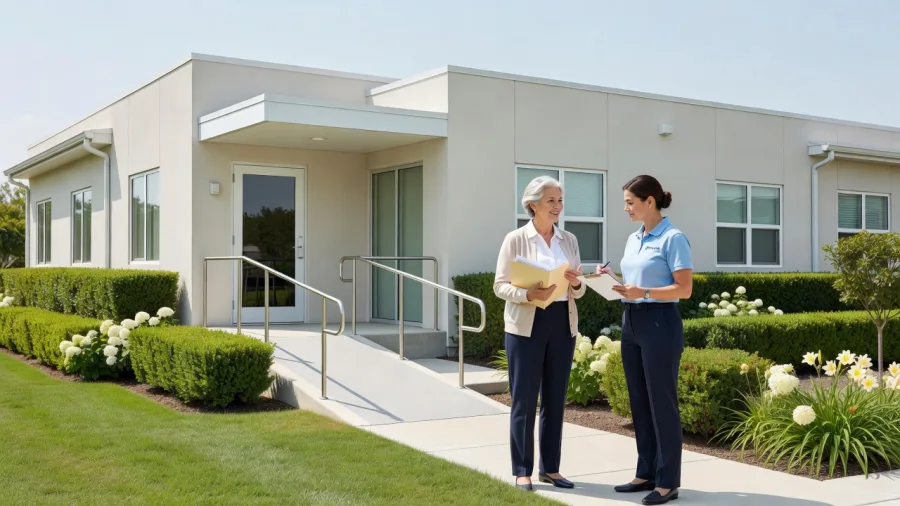
An internal transfer means moving from one unit to another within the same Public Housing Authority (PHA). Here is how the process typically works:
Step 1: Contact Your Local PHA
Start by reaching out to the housing authority that manages your current unit. Every PHA has its own transfer policy, so it is important to ask specifically about their procedures. You can usually find contact information on your lease or on the PHA's official website.
Step 2: Submit a Written Transfer Request
Most PHAs require a written or formal transfer request. Be clear about your reasons — especially if the transfer is related to a disability or medical condition. If your request is based on a disability or accessibility need, you may be able to request a reasonable accommodation under the Fair Housing Act, which can give your request higher priority.
Step 3: Provide Supporting Documentation
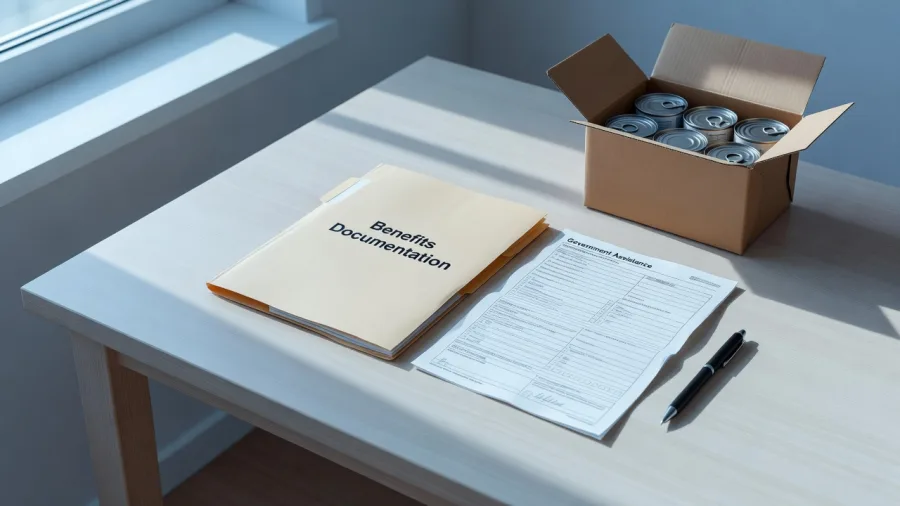
If your transfer request is based on a medical or accessibility need, your PHA may ask for a letter from your doctor or a licensed healthcare provider explaining why the transfer is necessary. Keep copies of everything you submit.
Step 4: Wait for the Transfer List
PHAs typically maintain a transfer waiting list, separate from the new applicant waitlist. Wait times vary significantly depending on how many units are available and how many people are ahead of you. Reasonable accommodation requests may be prioritized.
Helpful tip: Follow up with your PHA every 60 to 90 days to confirm your place on the transfer list and update your contact information if anything changes.
What Happens If You Want to Move to a Different City or State?
This is where things get more complicated. Unlike the Housing Choice Voucher (Section 8) program, public housing does not have a formal portability feature. That means you generally cannot simply transfer your public housing unit from one city to another the way some voucher holders can move with their benefit.
If you want to do a public housing transfer move to a different city, here is the reality:
- You would need to apply to the Public Housing Authority in the new city as a new applicant.
- Your current housing status does not automatically transfer, and you may face a waitlist in the new location.
- Waitlists in desirable cities can be very long — sometimes years.
- You should not give up your current unit until you have secured housing in the new location.
The Risk of Losing Your Current Unit
One of the most important things seniors need to understand is the risk of losing a stable housing situation by moving too quickly. If you vacate your current unit before securing a new one, you lose your place in the program and may have to start the application process from scratch in a new city with no guarantee of placement.
The safest approach: Apply to the new city's PHA while still living in your current unit. Only move once you have received an offer and completed the required steps for the new placement.
Exceptions and Special Circumstances
There are a few situations where transfers across locations may be handled differently:
- Domestic violence survivors: Federal law provides special protections under VAWA (Violence Against Women Act) that may allow faster transfers for safety reasons, even across jurisdictions.
- Natural disasters or emergency relocations: HUD and PHAs sometimes coordinate emergency placements when residents are displaced due to disasters.
- Disability-related urgent needs: In rare cases, PHAs may work together when a resident has an urgent medical or accessibility need that cannot be met locally.
If any of these apply to you, make sure to explain your situation clearly when you contact your PHA and ask what emergency or expedited options are available.
Tips for Seniors Navigating the Transfer Process
- Always get your requests and communications in writing and keep copies.
- Ask your PHA for their written transfer policy so you know exactly what to expect.
- If you have a disability-related need, use the words reasonable accommodation in your request — this triggers specific obligations under federal law.
- Contact a local HUD-approved housing counselor for free guidance. They can help you understand your rights and navigate the process.
- If you feel your transfer request is being unfairly denied, you have the right to file a grievance with your PHA.
Your Next Step
Whether you are looking to switch to a more accessible unit in your current building or exploring a public housing transfer to move to a different city as a senior, the first step is always to contact your local Public Housing Authority directly. They can walk you through what options are available in your specific situation.
To find your local PHA and get started, visit the official HUD website at hud.gov and use their PHA contact directory. You can also call HUD's information line at 1-800-955-2232 to be connected with resources in your area. A HUD-approved housing counselor can also provide free one-on-one guidance at no cost to you.
You have worked hard and deserve a safe, comfortable home. Do not hesitate to ask questions and advocate for yourself — the process exists to help you.
Advertisement