Advertisement
DIY Window Replacement Cost Savings for Seniors: A Realistic Guide
Window replacement is one of the most effective home improvements you can make — both for comfort and for cutting energy bills. But the labor costs can be steep, often making up a large portion of the total project price. If you are a homeowner aged 55 or older wondering whether there are smart ways to reduce what you pay, the good news is that there are real DIY window replacement cost savings for seniors — as long as you know which tasks are safe and practical to handle yourself, and which ones are best left to a licensed contractor.
This guide gives you a clear, honest look at the full window replacement process so you can make confident decisions, protect your health, and still get the energy-efficient windows that may qualify you for federal tax credits and utility rebates.
Why Window Replacement Is Worth the Investment
Before diving into what you can and cannot do yourself, it helps to understand what is at stake financially. According to widely cited industry data, new energy-efficient windows can save homeowners between $100 and $500 per year on heating and cooling costs, depending on how many windows are replaced and how drafty the old ones were.
The federal Inflation Reduction Act includes provisions that may allow eligible homeowners to claim a tax credit of up to $600 for qualifying energy-efficient window replacements. Utility companies in many states also offer rebates for energy-efficient upgrades. These incentives can meaningfully offset your total project cost — but only if the installation meets specific certification requirements, which is one reason the professional side of this job matters so much.
What Does a Typical Window Replacement Actually Cost?
The average cost to replace a single window ranges from $300 to $1,000 or more, depending on the window type, size, frame material, and labor rates in your area. For a home with 10 to 15 windows, that adds up quickly. Labor typically accounts for 30 to 50 percent of the total bill, which is exactly where strategic DIY involvement can make a real dent.
Research consistently shows that getting three or more quotes from licensed contractors can save you 20 to 40 percent on the overall project. That alone — before you lift a single tool — is one of the most powerful money-saving steps available to you.
DIY Window Replacement Cost Savings for Seniors: What You Can Safely Handle
Not every part of window replacement requires a contractor. Here are the tasks that many older homeowners can realistically do themselves with modest effort and no special equipment:
1. Measuring and Shopping for Windows
You can measure your existing window openings yourself using a standard tape measure. Accurate measurements help you shop for windows directly — sometimes at lower prices than a contractor would charge — and ensure you are comparing apples to apples when reviewing contractor quotes. Many window manufacturers and home improvement retailers provide step-by-step measuring guides on their websites.
2. Clearing the Work Area
Before installation day, remove curtains, blinds, furniture, and any valuables near the windows being replaced. This simple prep work can save time on labor charges, since contractors often bill by the hour. It also reduces the risk of damage to your belongings during installation.
3. Removing Interior Trim and Molding
If you are comfortable using a pry bar and a utility knife, carefully removing the interior trim or casing around a window before the contractor arrives is a task many seniors can handle safely. Work slowly, protect the wall surface with a putty knife, and set the trim aside in case it can be reused. Ask your contractor in advance whether this prep work reduces their quote.
4. Post-Installation Caulking on the Interior
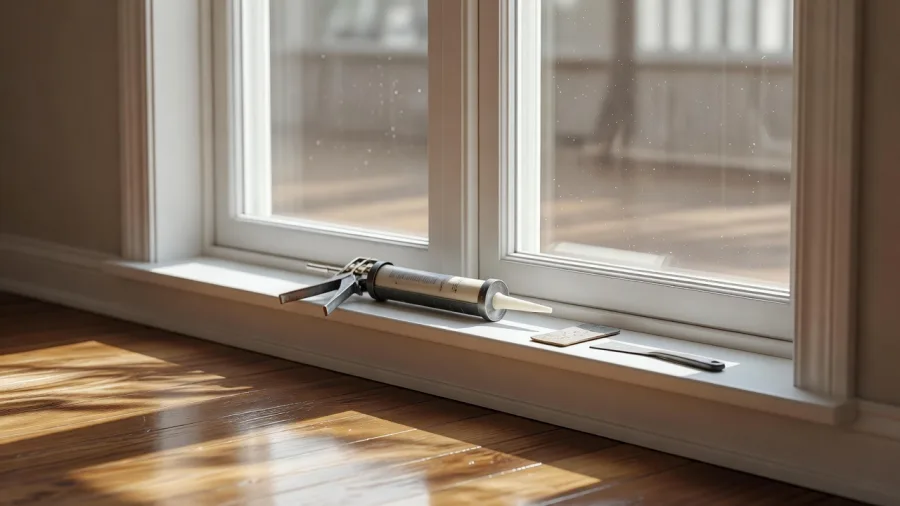
Applying interior caulk around the new window frame is a manageable finish task for most homeowners. Use a quality paintable latex caulk, a standard caulk gun, and a damp finger or smoothing tool to seal gaps neatly. This step improves energy efficiency and gives the installation a clean look. Note: exterior caulking and sealing is typically part of the professional installation and is often required for warranty and energy certification purposes — leave that to the contractor.
5. Repainting or Touching Up Trim
Once the contractor has finished and the caulk has dried, sanding and repainting interior trim is a task that requires no specialized skill. Doing this yourself rather than adding it to a contractor's scope of work can save a noticeable amount, especially on a multi-window project.
What Seniors Should Leave to the Professionals
Being honest about physical limitations is not a weakness — it is smart planning. The following tasks carry real risks of injury, structural damage, or loss of warranty and tax credit eligibility if not done correctly:
- Removing the existing window frame and sash: This often requires working at height, managing heavy glass panels, and handling sharp edges. Falls are the leading cause of injury among older adults, and this is not a task worth the risk.
- Structural assessment and framing repairs: If the window opening shows rot, water damage, or structural issues, a professional needs to evaluate and repair the framing before a new window is installed.
- Exterior weatherproofing and flashing: Proper exterior sealing prevents water intrusion that can cause mold and structural damage. Errors here are costly and may not be visible for months.
- Installation itself: Proper alignment, shimming, and anchoring of the window unit affects both performance and safety. Many manufacturers require professional installation to honor the product warranty. Energy efficiency certifications required for federal tax credits also depend on correct installation.
How to Get the Best Deal From Contractors
Even when hiring professionals for the core work, you have significant leverage as a consumer. Here are proven strategies:
- Get at least three written quotes and compare them line by line.
- Ask each contractor whether your DIY prep work — such as clearing the area or removing interior trim — reduces their price.
- Ask specifically whether the windows they plan to install are ENERGY STAR certified, which is typically required for federal tax credits.
- Check whether your local utility company offers rebates, and ask the contractor to document the installation in a way that supports your rebate application.
- Look into whether any state or local programs offer additional assistance for seniors making energy-efficient home improvements. Eligibility and benefit amounts vary by location and change over time.
Your Next Step
The smartest move you can make right now is to visit the ENERGY STAR website to review which window products qualify for federal tax credits, and to check your utility company's website for available rebates in your area. When you are ready to hire a contractor, use a service like the Better Business Bureau contractor finder or your state's contractor licensing board to verify credentials before signing anything.
Small contributions — measuring, prepping, finishing — can meaningfully reduce your labor bill while keeping you safe and keeping your project on track for every incentive available to you.
A little planning goes a long way. With the right combination of smart DIY prep and qualified professional installation, replacing your windows can be one of the most rewarding and cost-effective home projects you tackle this year.
Advertisement