Advertisement
Gutter Replacement Tax Deductions and Credits: What Senior Homeowners Should Know
If you are a senior homeowner who recently replaced your gutters — or is thinking about it — you may be wondering whether any of that cost can be recovered at tax time. The good news is that in certain situations, a gutter replacement tax deduction or credit for senior homeowners is entirely possible. The key is knowing which scenarios apply to your situation before you file your return. This guide breaks it all down in plain language so you do not leave money on the table.
Why Gutters Matter More Than You Might Think
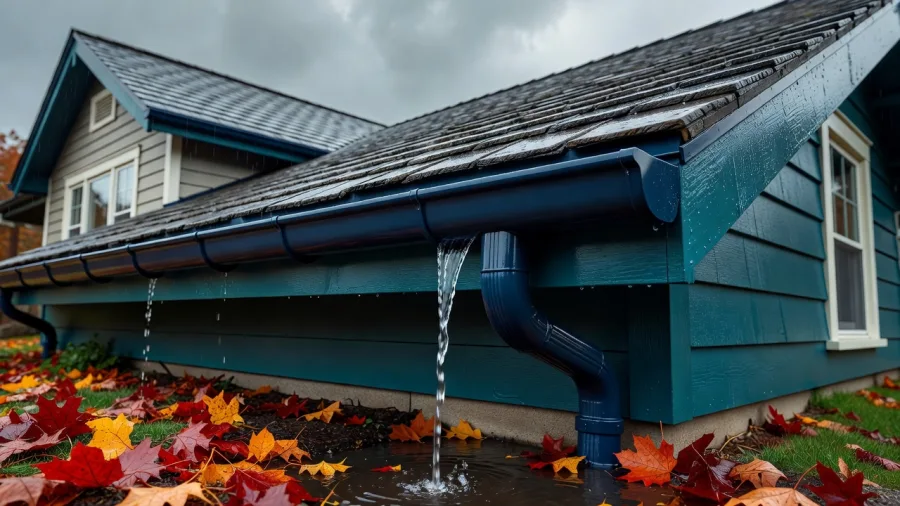
Before diving into the tax side, it helps to understand why replacing gutters is such an important investment. Old, failing gutters can allow water to seep into your foundation, flood your basement, damage your siding, erode your landscaping, and even lead to mold growth inside your home. The cost of repairing that kind of water damage can run anywhere from several thousand dollars to well over ten thousand dollars — far more than the cost of new gutters, which typically range from about $1,000 to $3,000 for an average-sized home.
For retirees on a fixed income, that kind of unexpected repair bill can be devastating. That is exactly why understanding whether you can offset any of your gutter replacement costs through tax benefits is so worthwhile.
When Gutter Replacement May Be Tax Deductible
For most primary homeowners, home repairs and improvements are not directly deductible on a federal tax return. However, there are several important exceptions that apply to many retirees and older homeowners specifically.
1. You Use Part of Your Home as a Business or Home Office
If you are self-employed or run a small business from your home — even part-time — you may be able to deduct a portion of your gutter replacement cost through the home office deduction. The IRS allows you to write off the percentage of home expenses that correspond to the portion of your home used exclusively and regularly for business. For example, if your home office takes up 15 percent of your home's square footage, you may be able to deduct 15 percent of the gutter replacement cost as a business expense. Keep your receipts and consult a tax professional to calculate this correctly.
2. You Own a Rental Property
This is one of the clearest opportunities for a gutter replacement tax deduction for senior homeowners who have rental income. If you replaced the gutters on a rental property you own, that cost is generally deductible as a maintenance or repair expense on Schedule E of your federal return. If the gutters are considered a capital improvement rather than a repair, the cost may need to be depreciated over time rather than deducted all at once — but either way, you can recover that money through your taxes. Many retirees own a rental property or a second home they rent out seasonally, making this a scenario worth exploring.
3. Medical Necessity Modifications
This one surprises many people. If a doctor has recommended specific modifications to your home due to a medical condition — such as improving drainage to reduce mold that aggravates a respiratory condition — a portion of the work may qualify as a medical expense deduction. Medical expenses that exceed a certain percentage of your adjusted gross income may be deductible. Because older adults often have higher medical costs, more of those expenses may push past the threshold. This scenario is less common for gutters specifically, but it is worth discussing with a tax advisor if there is a documented medical reason behind the work.
4. Energy-Efficient Home Improvement Credits
Gutter replacement itself is not typically listed as a qualifying upgrade under federal energy efficiency tax credits. However, if your gutter project was part of a larger home improvement effort that included energy-efficient upgrades — such as insulation, roofing materials with energy-saving ratings, or exterior improvements tied to reducing heat loss — those associated costs may qualify for credits under programs like the Energy Efficient Home Improvement Credit. Credits under this program can offset a percentage of qualifying costs, and limits and eligibility rules can vary by year and by state. Always verify current rules with the IRS or a qualified tax preparer before filing.
State-Level Programs That May Help Senior Homeowners
Beyond federal tax benefits, many states offer their own programs that can help older homeowners cover the cost of necessary repairs and improvements. These may include:
- Property tax relief programs that reduce your overall tax burden, freeing up money for home repairs
- State income tax deductions for home improvement costs in certain circumstances
- Low-interest home repair loan programs specifically for seniors or low-income homeowners
- Weatherization assistance programs that may cover related exterior work
Eligibility and benefit amounts vary significantly by state, income level, and program rules, which change from year to year. Checking with your state's department of aging or housing agency is a smart first step.
Smart Tips for Maximizing Your Gutter Replacement Investment
Whether or not you qualify for a tax benefit, there are ways to make sure you get the most value from your gutter replacement project.
- Choose seamless gutters — they last longer and have fewer leaks than traditional sectional gutters
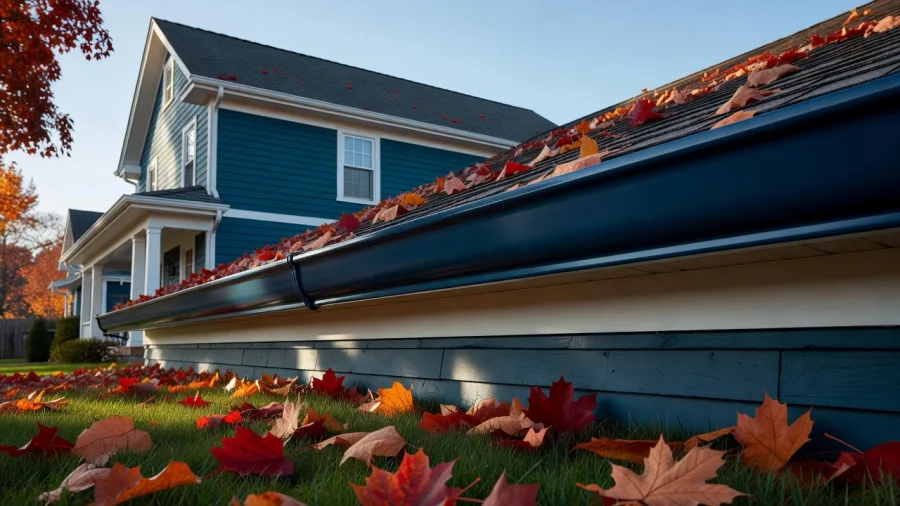
- Add gutter guards — they reduce clogs and cut down on maintenance, especially important as climbing ladders becomes less safe with age
- Document everything — keep all receipts, contractor invoices, and before-and-after photos in case of a tax audit or insurance claim
- Get multiple quotes — prices vary widely between contractors, so comparing bids can save you hundreds of dollars
- Ask about warranties — quality gutters often come with manufacturer and labor warranties that protect your investment for years
Tip: Even if your gutter replacement does not qualify for a direct tax deduction this year, it may increase your home's value and reduce future repair costs — both of which matter when you are living on a retirement income.
Talk to a Tax Professional Before You File
Tax rules around home improvements, rental properties, and medical deductions can be complex, and they change from year to year. What qualifies in one tax year may not qualify in the next. For senior homeowners, working with a qualified tax preparer — or visiting a free tax assistance site through the IRS VITA or AARP Tax-Aide programs — can make a real difference in what you owe or what you get back.
These free programs are staffed by trained volunteers who specialize in tax situations common among older adults, including retirement income, property deductions, and medical expenses. They can help you determine whether your specific gutter replacement qualifies for a tax deduction or credit based on your unique financial picture.
Your Next Step
Do not guess when it comes to tax deductions and credits. Visit the IRS website at irs.gov to learn more about home improvement deductions, the Energy Efficient Home Improvement Credit, and the VITA free tax preparation program. You can also visit the AARP Tax-Aide locator to find free tax help near you. Taking an hour to explore your options could put real money back in your pocket — money that belongs to you.
Advertisement