Advertisement
If you are 55 or older and watching every dollar, eating well can feel like a luxury you cannot afford. But here is the good news: there are real government programs designed specifically to help seniors with healthy eating on a fixed income — and millions of eligible Americans are not taking advantage of them. From free vouchers for fresh produce at your local farmers market to monthly grocery benefits, these programs exist to make nutritious food accessible to you. This guide walks you through the most important ones and how to get started.
Why Healthy Eating Matters Even More After 55
As we age, our bodies need fewer calories but more nutrients. That means the quality of what you eat becomes even more important than the quantity. Fresh fruits, vegetables, and whole foods can help manage chronic conditions like diabetes, high blood pressure, and heart disease — conditions that affect a large share of Americans over 60. The challenge is that fresh, nutritious food often costs more than processed alternatives. That is exactly the gap these programs are designed to fill.
The Senior Farmers Market Nutrition Program: Fresh Food, Free Vouchers
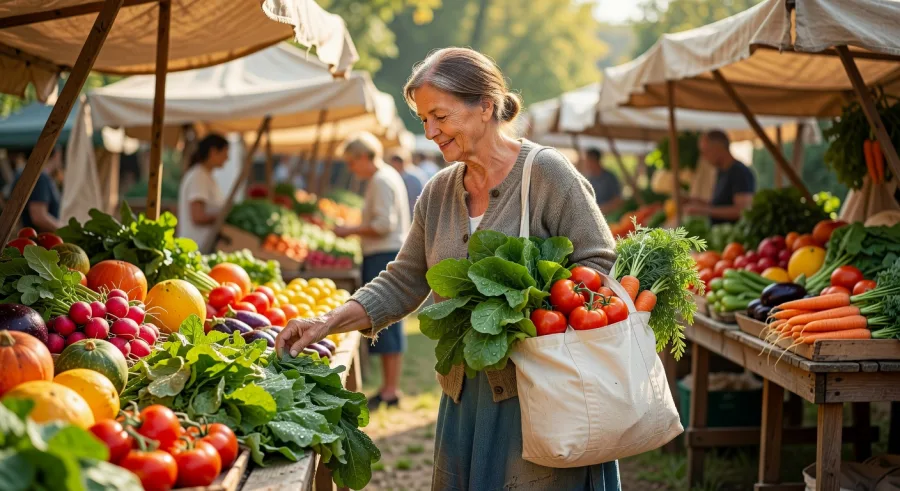
One of the most direct ways to support healthy eating for seniors on a fixed income is the Senior Farmers Market Nutrition Program (SFMNP). Administered by the U.S. Department of Agriculture and run through individual state agencies, this program provides seasonal vouchers to low-income seniors that can be used to buy fresh fruits, vegetables, and herbs.
Who Qualifies?
- Generally, you must be 60 years of age or older
- You must meet your state's income guidelines, which are typically set at or below a percentage of the federal poverty level
- Eligibility rules and voucher amounts vary by state
What Do You Get?
Voucher amounts vary depending on where you live, but participants typically receive between $20 and $50 worth of produce vouchers per season. While that may not sound like a lot, it can go a long way at a farmers market where you can stock up on seasonal vegetables, berries, herbs, and more. The program is seasonal, so it runs in alignment with your local growing season — usually late spring through fall.
Where Can You Use the Vouchers?
- Participating farmers markets
- Roadside farm stands
- Community-supported agriculture (CSA) programs
Each state manages its own list of authorized vendors, so you will want to check with your local program to find markets near you that accept the vouchers.
How to Apply
Because the SFMNP is administered at the state level, the application process varies. Your best starting point is to contact your state's department of agriculture or aging services agency. Many states also partner with local Area Agencies on Aging, senior centers, and community health organizations to distribute vouchers. Supplies are often limited and distributed on a first-come, first-served basis, so it pays to apply early in the season.
SNAP: Monthly Grocery Benefits for Seniors
The Supplemental Nutrition Assistance Program (SNAP) — formerly known as food stamps — is one of the largest federal food assistance programs in the country. Many seniors who qualify never apply because they assume they will not be eligible or that the benefit amount will be too small to matter. In reality, even a modest monthly benefit can make a meaningful difference in your grocery budget and support healthy eating on a fixed income.
- Benefits are loaded onto an EBT card that works like a debit card at most grocery stores and some farmers markets
- Eligibility is based on income and certain expenses, including medical costs that seniors often have
- Seniors living alone or with a spouse may qualify even with Social Security income
To check eligibility and apply, visit the official SNAP website or contact your local Department of Social Services.
The Commodity Supplemental Food Program (CSFP)
The Commodity Supplemental Food Program provides monthly food packages to low-income seniors ages 60 and older. These packages typically include shelf-stable items like canned fruits and vegetables, juice, cereal, pasta, and canned proteins. It is not available in every state or county, but where it is offered, it can be a reliable monthly source of nutritious staples at no cost to you.
Tip: CSFP and SFMNP complement each other well. CSFP covers pantry staples, while SFMNP helps you add fresh produce to your diet during the growing season.
Meals on Wheels and Local Senior Meal Programs
If cooking has become difficult due to mobility issues or health challenges, Meals on Wheels and similar programs through the Older Americans Act deliver nutritious meals directly to your door. Many senior centers also offer congregate meal programs where you can enjoy a hot meal in a social setting, often at little or no cost.
- Meals on Wheels serves all 50 states
- Services are typically available to adults 60 and older
- Some programs offer sliding-scale fees or accept donations in place of payment
How These Programs Work Together
You do not have to choose just one of these programs. Many seniors combine several to build a comprehensive food support system. For example, you might use SNAP benefits for your regular grocery shopping, SFMNP vouchers for fresh produce at the farmers market in summer, and CSFP boxes to keep your pantry stocked with staples. Together, these resources can significantly reduce your food costs while actually improving the quality of what you eat.
Tips for Making the Most of Your Benefits
- Apply early: Programs like SFMNP have limited funding and vouchers go quickly
- Ask your local senior center: Staff often know about local programs that are not widely advertised
- Check eligibility annually: Your circumstances and program rules can both change year to year
- Visit your local Area Agency on Aging: These organizations can help you navigate multiple programs at once
Your Next Step Toward Healthy Eating on a Fixed Income
You have worked hard your whole life, and you deserve to eat well. These programs are not handouts — they are benefits funded by taxpayers for Americans who need them, and you may be entitled to more than you know. The most important thing you can do right now is take the first step.
Contact your local Area Agency on Aging to learn which programs are available in your area and get help applying. You can find your nearest agency by calling the Eldercare Locator at 1-800-677-1116 (a free service of the U.S. Administration on Aging) or by visiting their website. A single phone call could connect you to fresh food, grocery benefits, and meal support that makes a real difference every week.
Advertisement