Advertisement
Adult Education Programs and Health Literacy: A Life-Changing Connection for Seniors
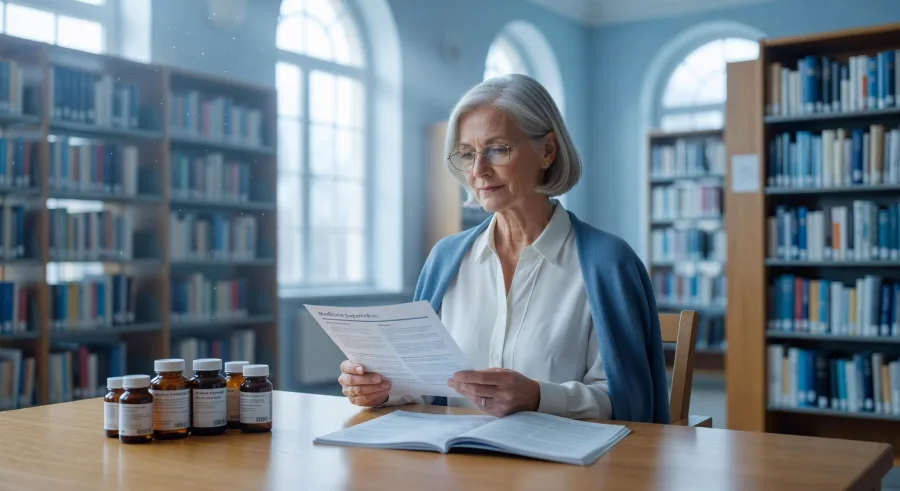
If you have ever stared at a prescription label and felt uncertain about the dosage, or opened a Medicare Explanation of Benefits statement and felt completely lost, you are far from alone. Millions of Americans 55 and older face these challenges every day. The good news is that adult education programs health literacy seniors manage chronic illness concerns are exactly what free, government-funded adult education programs are designed to address. By sharpening your reading and comprehension skills, you can take greater control of your own health — and that can make a meaningful difference in your quality of life.
Why Health Literacy Matters More After 55
Health literacy is the ability to find, understand, and use health information to make good decisions. For adults managing chronic conditions like diabetes, heart disease, or high blood pressure, strong health literacy is not just helpful — it can be lifesaving. Misreading a medication label, misunderstanding a doctor's instructions, or failing to catch an error on an insurance statement can lead to serious consequences.
According to the U.S. Department of Health and Human Services, nearly 9 out of 10 Americans struggle with health literacy at some point. Older adults are disproportionately affected, especially those who did not have access to strong educational opportunities earlier in life, or who learned English as a second language. The complexity of modern healthcare — with its dense paperwork, medical terminology, and multiple medications — makes these challenges even harder to navigate.
The Real-World Impact of Low Health Literacy
- Medication errors: Misreading dosage instructions or confusing similar-sounding drug names can lead to accidental overdose or underdose.
- Missed diagnoses: Not understanding a doctor's written notes or discharge instructions can result in missed follow-up care.
- Billing mistakes: Failing to catch errors on Medicare Explanation of Benefits (EOB) statements can cost you money you did not owe.
- Poor communication with providers: Feeling embarrassed to ask questions can leave you without critical information about your own treatment.
What Free Adult Education Programs Actually Offer
Funded through the federal Workforce Innovation and Opportunity Act (WIOA), adult education programs are available in communities across the country at no cost to participants. You can find them at community colleges, public libraries, community centers, and faith-based organizations. These programs serve adults of all ages and backgrounds, and they are specifically designed to meet you where you are — no prior education level is required to enroll.
Programs typically include:
- Basic literacy and reading skills: Build the foundation needed to read labels, forms, and instructions with confidence.
- Math and numeracy skills: Learn to calculate medication doses, understand percentages on insurance statements, and manage household budgets.
- English as a Second Language (ESL) classes: For adults whose first language is not English, ESL programs help bridge the communication gap with healthcare providers and on medical documents.
- GED preparation and testing assistance: For those who want to earn a high school equivalency diploma, opening doors to further education and employment.
Adult Education Programs, Health Literacy, and Seniors Managing Chronic Illness
The connection between improved reading skills and better health outcomes is well documented. When adults 55 and older participate in adult education programs to build health literacy, they report feeling more confident talking to their doctors, asking questions about their prescriptions, and understanding the paperwork that arrives after every medical appointment.
Reading Prescription Labels With Confidence
Prescription labels are packed with abbreviations and instructions that can be confusing even to well-educated adults. Terms like QID (four times a day), PRN (as needed), or warnings about food interactions are easy to misread or overlook. Improved reading comprehension helps you slow down, parse those instructions carefully, and ask your pharmacist targeted questions when something is unclear.
Decoding Medicare and Insurance Paperwork
Medicare Explanation of Benefits statements list every service billed to your insurance, what Medicare paid, and what you may owe. These documents can run several pages and include codes, abbreviations, and amounts that are difficult to interpret without strong reading skills. Adults who strengthen their literacy through free programs are better equipped to spot billing errors, understand their coverage, and appeal decisions they believe are incorrect — potentially saving significant money over time.
Communicating More Effectively With Your Healthcare Team
Many older adults hesitate to speak up during medical appointments because they feel intimidated or worry about asking what seem like simple questions. Adult education classes help build not just reading skills but overall communication confidence. When you can read and understand the printed materials your doctor gives you, you are far better prepared to have productive conversations about your treatment plan, side effects, and next steps.
You do not have to manage your health in the dark. Free programs exist in your community right now to help you read, understand, and act on the information that matters most to your well-being.
Who Can Enroll and How to Get Started
Adult education programs funded through WIOA are open to adults 16 and older who are not currently enrolled in secondary school. There are no income requirements or age limits, so adults 55 and older are fully eligible to participate. Classes are offered in-person, and many programs also offer hybrid or online options for those with transportation challenges or mobility limitations.
Enrollment is typically straightforward. You can walk into a local community college or library, ask about adult education or literacy programs, and speak with an advisor who will help assess your current skill level and match you with the right class. There is no shame in starting — these programs exist because learning is a lifelong process, and it is never too late to build new skills.
Take the First Step Today
If managing your health feels overwhelming because of paperwork, prescription instructions, or communication barriers, free adult education programs can help you change that. Stronger reading and health literacy skills give you the tools to manage chronic illness with greater confidence, catch errors before they become problems, and advocate for yourself in every healthcare setting.
To find a free adult education or literacy program near you, visit the official National Reporting System for Adult Education at nrsweb.org or contact your local community college or public library directly. You can also call your state's adult education office — a quick search for your state name plus adult education program will connect you with local resources. The first step is the most important one, and it does not cost a thing.
Advertisement