Advertisement
How to Sign Up for Meals on Wheels — A Step-by-Step Guide
If you or someone you love is having trouble shopping for groceries or cooking at home, Meals on Wheels could be a life-changing resource. Knowing how to sign up for Meals on Wheels is the first step toward getting regular, nutritious meals delivered right to the front door — often at little or no cost. This guide walks you through exactly what to expect and how to get started, whether you are applying for yourself or helping a parent or loved one.
What Is Meals on Wheels?
Meals on Wheels is a national network of community-based programs that delivers hot, ready-to-eat meals to seniors and other individuals who are homebound or have difficulty preparing food on their own. The program serves millions of Americans every year and is one of the most trusted senior nutrition programs in the country.
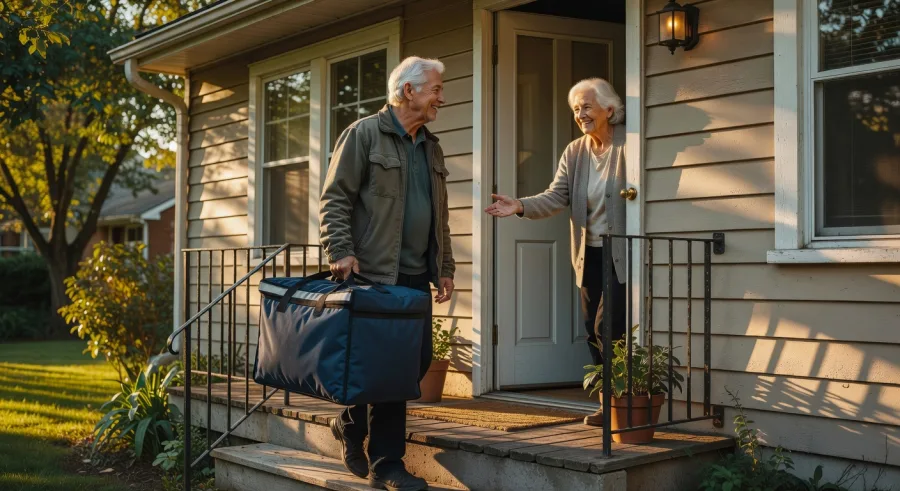
Beyond the food itself, many local Meals on Wheels programs include a daily wellness check as part of the delivery. That means a friendly volunteer or staff member stops by in person, offering a brief but meaningful point of human contact that can make a real difference for seniors living alone.
- Hot, nutritious meals delivered directly to your home
- Little or no cost for many recipients, depending on your local program
- Volunteer drivers who can flag concerns to family or care coordinators
- Special diet options available through many local providers
- Weekend and frozen meal options offered by many programs
Who Qualifies for Meals on Wheels?
Eligibility requirements vary by location, but most programs focus on serving adults aged 60 and older who are unable to shop or cook for themselves due to age, disability, illness, or recovery from a medical procedure. You do not need to be completely bedridden to qualify — if preparing daily meals is a challenge, you may be eligible.
Some programs also serve adults under 60 who have a qualifying disability or medical condition. Income is generally not a strict barrier to receiving services, though many programs do accept voluntary contributions based on what participants can afford.
Common Qualifying Circumstances
- Recovering from surgery or a hospital stay
- Living with a chronic illness or mobility limitation
- Vision impairment that makes cooking unsafe
- Living alone with no nearby family support
- Experiencing early memory loss or cognitive decline
How to Sign Up for Meals on Wheels — Step by Step
The process is simpler than many people expect. Here is how to get started, whether you are a senior applying for yourself or a family caregiver helping a loved one.
Step 1: Find Your Local Program
Meals on Wheels is not a single national organization — it is a network of more than 5,000 local community programs across the United States. Each one is run at the local level, which means sign-up procedures, costs, and meal options can vary.
The easiest way to find your local program is to visit MealsOnWheelsAmerica.org and use the program locator tool. Simply enter your zip code to find the provider nearest to you, along with their contact information.
Step 2: Contact Your Local Program or Area Agency on Aging
Once you have located your local provider, give them a call or visit their website to ask about enrollment. You can also reach out to your local Area Agency on Aging (AAA), which coordinates many senior services in your region. To find your local AAA, call the Eldercare Locator at 1-800-677-1116 — a free national resource funded by the federal government.
When you call, be ready to share basic information such as the recipient's name, address, age, and any dietary restrictions or health conditions that might affect meal choices.
Step 3: Complete an Intake Assessment
Most programs will conduct a brief intake process to confirm eligibility and understand the person's needs. This may happen over the phone or through a short home visit. Staff will typically ask about:
- The recipient's age and living situation
- Current health conditions or dietary needs
- Whether a caregiver is present in the home
- Preferred delivery days and times
This is also a great time to ask about additional services your local program may offer, such as grocery assistance, transportation, or social engagement programs.
Step 4: Get on the Schedule
Some areas have high demand and maintain a waiting list, while others can begin delivery quickly. Ask your local program about expected wait times so you can plan accordingly. In the meantime, your local food bank or senior center may be able to provide temporary support.
How Much Does Meals on Wheels Cost?
Cost varies significantly depending on where you live and the funding available in your area. Many programs provide meals at no charge to those in need, while others suggest a voluntary donation or charge a modest sliding-scale fee based on income. Federal funding through the Older Americans Act helps keep costs low for most participants.
Do not let concern about cost stop you from applying. Most programs will work with you to ensure finances are not a barrier to receiving meals.
Tips for Family Members Helping a Loved One Sign Up
If you are helping an aging parent or relative access Meals on Wheels, here are a few things to keep in mind:
- You can make the initial call on their behalf if they give permission, which is especially helpful for those with hearing difficulties or limited mobility.
- Ask about the wellness check feature and whether drivers are trained to report any concerns to a family contact.
- Inquire about frozen or weekend meal options if the recipient has specific scheduling needs.
- Check in after the first few deliveries to make sure the meals are a good fit and the recipient feels comfortable with the process.
A helpful note: Meals on Wheels drivers often become a familiar, trusted face for the seniors they serve. For many homebound individuals, this daily visit is as meaningful as the meal itself.
Take the First Step Today
Signing up for Meals on Wheels is one of the most straightforward and impactful steps a senior or their family can take to support independence, nutrition, and daily safety at home. Whether you are 65 or 95, recently discharged from a hospital or simply finding daily cooking more difficult, this program exists to help you.
Here is your next step: Visit MealsOnWheelsAmerica.org and enter your zip code to find your local program. Or call the Eldercare Locator at 1-800-677-1116 to be connected with your Area Agency on Aging. Help is closer than you think — and the first call could make all the difference.
Advertisement