Advertisement
If you own an older home and have been putting off gutter replacement, you are not alone. For retirees and homeowners on a fixed income, the decision can feel overwhelming — and expensive. But here is the truth: choosing the best gutter materials for low maintenance older homes now can save you far more money down the road than ignoring the problem. Water damage from failing gutters can cost anywhere from $5,000 to $10,000 or more in foundation repairs alone. The right gutters, installed once and built to last, are one of the smartest home investments you can make.
Why Gutter Material Matters More as You Age
When you are younger, climbing a ladder to clear out sagging or leaking gutters may seem like a manageable weekend chore. As you get older — especially if you are aging in place — that kind of maintenance becomes a real safety concern. That means the material your gutters are made from is not just about looks or price. It is about how often you will need to deal with them, how long they will hold up, and how much professional help you might need over the years.
Older homes come with their own challenges too. Rooflines may have settled. Fascia boards behind the gutters could be aging. Choosing a lightweight but durable material is especially important when existing wood framing may not support heavy options. The goal is to make one smart decision now so you can stop worrying about your gutters for the next 20 or 30 years.
Best Gutter Materials for Low Maintenance and Long-Term Value
There are several gutter materials available today, and each has trade-offs in cost, durability, and upkeep. Here is a breakdown of the most common options and what makes each one worth considering — or worth skipping — for retirees focused on low maintenance.
Aluminum Gutters
Aluminum is by far the most popular gutter material in the United States, and for good reason. It is lightweight, rust-resistant, and available in a wide range of colors to match your home. Aluminum gutters are typically installed as seamless gutters — meaning they are custom-cut to your home in one continuous piece rather than snapped together in sections. Seamless gutters leak far less than sectional gutters and require much less maintenance over time.
- Lifespan: 20 to 30 years with proper installation
- Maintenance level: Low, especially with gutter guards added
- Best for: Most older homes in most climates
- Cost range: Generally moderate — varies by region and home size
For retirees looking for the best gutter material for low maintenance older homes, seamless aluminum is usually the top recommendation from contractors and home inspectors alike.
Copper Gutters
Copper gutters are beautiful, long-lasting, and require almost no painting or coating over their lifetime. They develop a natural patina over time and can last 50 years or more. The downside is cost — copper is significantly more expensive than aluminum or vinyl, both in materials and installation. However, if you plan to stay in your home long-term and want a truly set-it-and-forget-it solution, copper can be worth the investment.
- Lifespan: 50 years or more
- Maintenance level: Very low
- Best for: Historic or high-end older homes
- Cost range: Premium — significantly higher than other materials
Steel Gutters
Galvanized steel gutters are strong and can handle heavy rainfall and debris well. However, they are prone to rust over time, especially in humid or coastal climates. Stainless steel avoids the rust problem but comes at a higher price. For most retirees, steel is not the first choice for a low-maintenance setup unless you live in an area with extreme weather conditions that would damage lighter materials.
- Lifespan: 20 years for galvanized; longer for stainless
- Maintenance level: Moderate — rust prevention needed for galvanized
- Best for: High-wind or heavy-snow regions
Vinyl Gutters
Vinyl gutters are the least expensive option and are easy to find at most home improvement stores. They are lightweight and do not rust or corrode. However, vinyl becomes brittle in cold climates, can warp in extreme heat, and tends to sag over time. For older homes in mild climates, vinyl may work as a short-term fix — but it is rarely the best long-term solution for retirees who want to avoid repeated repairs.
- Lifespan: 10 to 20 years, often less in harsh climates
- Maintenance level: Low at first, but higher as material ages
- Best for: Mild climates, short-term solutions
Do Not Overlook Gutter Guards
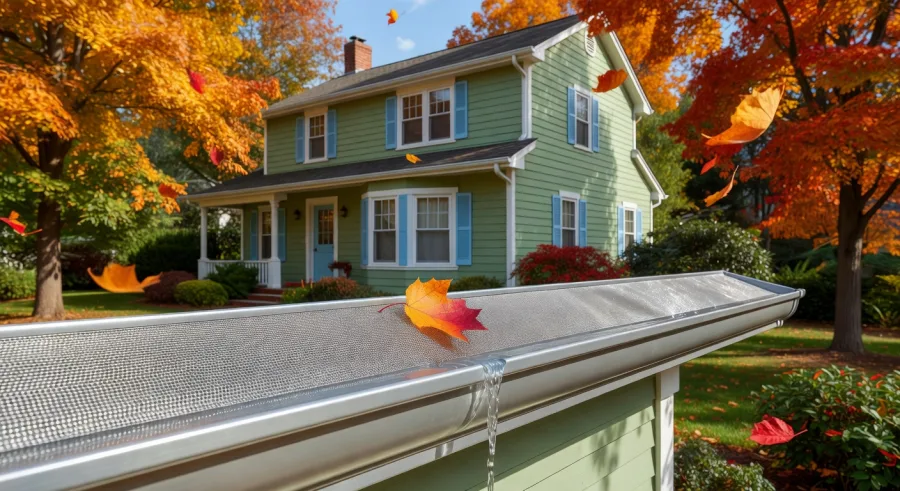
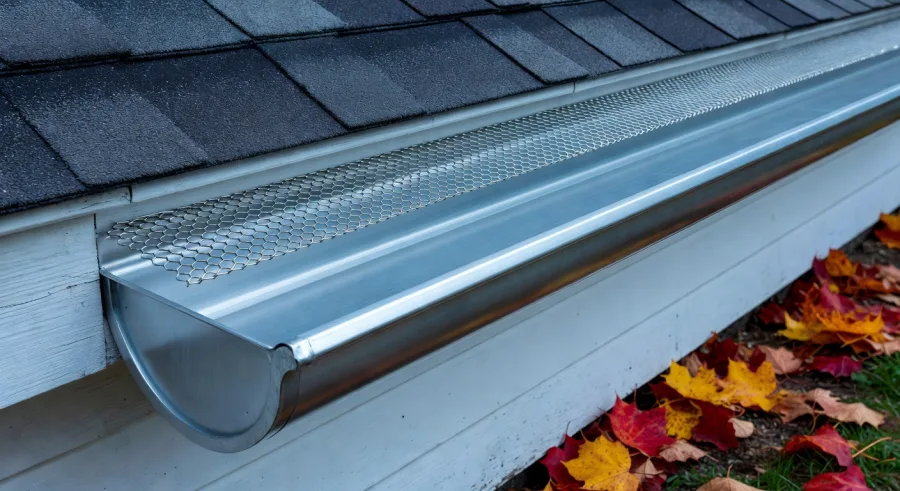
No matter which material you choose, pairing your new gutters with gutter guards is one of the best decisions a retiree can make. Gutter guards sit over the top of your gutters and prevent leaves, twigs, and debris from collecting inside. This dramatically reduces how often gutters need to be cleaned — which is a significant benefit for anyone who does not want to hire a maintenance crew every season or risk climbing a ladder themselves.
There are several types of gutter guards, from basic mesh screens to micro-filter covers. Ask your gutter installer which style works best with the material you choose and the types of trees around your home. The upfront cost pays off quickly in reduced maintenance calls.
Protecting Your Home from the Inside Out
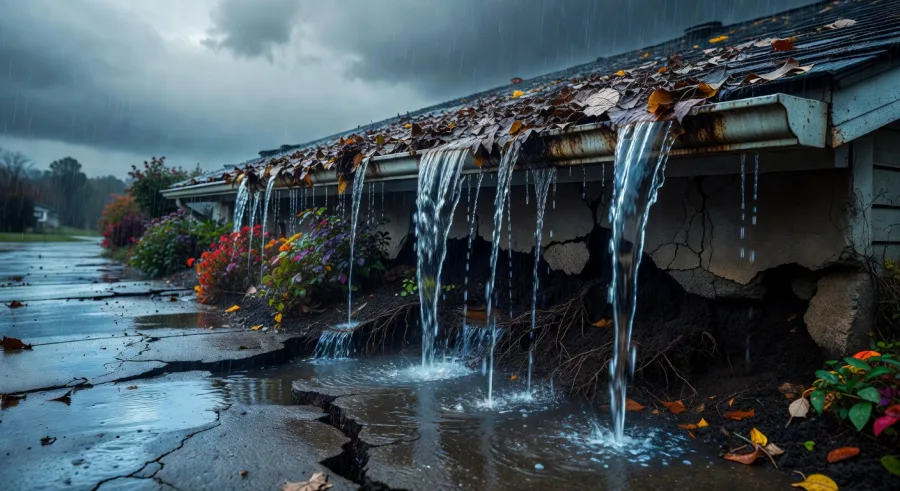
Gutters do far more than channel rainwater off your roof. When they are working properly, they protect your home's foundation from erosion, keep water from seeping into your basement, shield your siding from moisture damage, and preserve your landscaping. When gutters fail — whether from age, clogs, or improper installation — the resulting water damage can affect nearly every part of your home's structure.
Replacing gutters before problems worsen is one of the most cost-effective home improvements a retiree can make. A modest investment now protects against repair bills that can quickly spiral into the thousands.
New gutters for an average-sized home typically cost between $1,000 and $3,000 depending on the material, size of the home, and local labor costs. That is a fraction of what foundation repairs, basement waterproofing, or mold remediation can cost if water damage is left unchecked.
Tips for Retirees Shopping for New Gutters
- Get multiple quotes from local licensed contractors before committing
- Ask specifically about seamless gutters — they are worth the extra step
- Request a written warranty on both materials and labor
- Inquire about senior discounts — some contractors offer them
- Check with your homeowner's insurance — some policies cover gutter-related water damage
- Look into local assistance programs — some counties and nonprofits offer home repair grants or low-interest loans for older homeowners
Your Next Step
If your gutters are more than 15 to 20 years old, showing signs of rust, pulling away from the fascia, or causing water to pool near your foundation, it is time to take action. Start by scheduling a free inspection with a licensed gutter contractor in your area. Many offer no-obligation assessments and can help you understand which low-maintenance gutter materials are best for your older home and your budget.
You can also visit your local Area Agency on Aging or your state's housing assistance office to ask about home repair programs available to homeowners over 55. Some programs offer financial help specifically for weatherproofing and structural improvements — and gutters often qualify. Do not wait for a costly water damage event to prompt action. One smart upgrade now can protect your home — and your finances — for decades to come.
Advertisement