Advertisement
Living Far From Care Does Not Mean Living Without It
If you are searching for affordable rural healthcare for seniors near me, you already know the challenge. The nearest specialist might be an hour or two away. Gas costs money. Long drives are exhausting. And specialist bills can be staggering even with Medicare or a supplemental plan. For millions of older adults living in rural and small-town America, getting quality healthcare can feel like a part-time job.
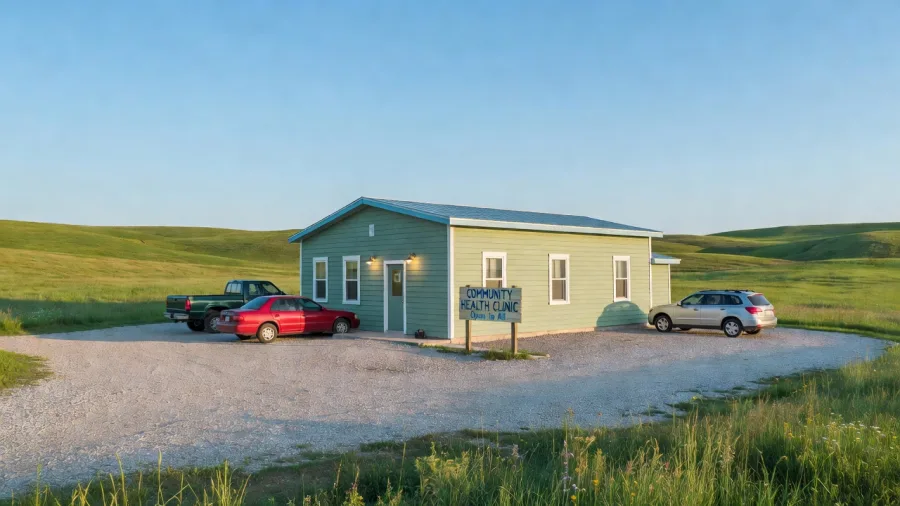
But there is a resource many people in rural communities do not know about: Community Health Centers (CHCs). These are federally funded clinics located in underserved areas across the country, and they may be closer to you than you think. They charge based on what you can afford, serve patients with or without insurance, and offer a wide range of services under one roof. This guide walks you through exactly how to use one to reduce your travel burden, consolidate your care locally, and even connect with distant specialists without leaving your town.
What Is a Community Health Center?
A Community Health Center is a clinic that receives federal funding to serve communities where healthcare access is limited. There are over 1,400 health centers operating more than 14,000 service delivery sites across the United States, including in many rural counties and small towns where private practices have closed or never existed.
Here is what makes CHCs different from a typical clinic or hospital:
- Sliding-scale fees: You pay based on your income and household size. If your income is low, your costs can be very low. No one is turned away for inability to pay.
- No insurance required: CHCs serve uninsured, underinsured, and fully insured patients equally. If you have Medicare or Medicaid, they accept it. If you do not have insurance, you still qualify.
- Comprehensive services: Most CHCs offer medical care, dental care, vision services, mental health counseling, and substance use treatment all in one location.
- Community-focused staff: These centers are designed to serve local people. Staff are often from the area and understand the specific challenges rural residents face.
Why Community Health Centers Are a Lifeline for Affordable Rural Healthcare for Seniors Near Me
Rural older adults face a unique set of healthcare pressures. Primary care physicians are retiring faster than they are being replaced in many rural counties. Specialists like cardiologists, orthopedic surgeons, and neurologists are almost exclusively located in larger cities. If you need a referral, that can mean a half-day or full-day trip just to see one doctor for 20 minutes.
Community Health Centers help solve several of these problems at once.
One Location, Many Services
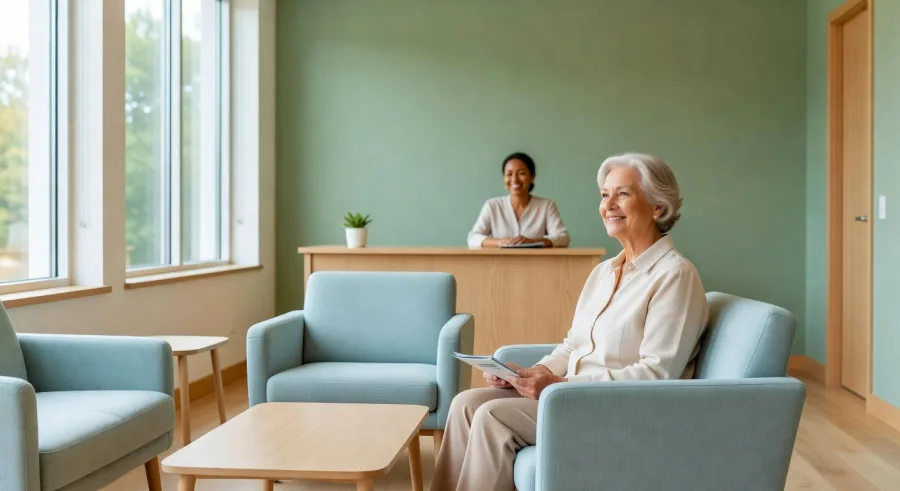
Instead of making separate appointments at separate facilities for your annual physical, your teeth cleaning, your eye exam, and your depression or anxiety support, a CHC can often coordinate all of that in one place. For someone who has difficulty driving long distances or relies on a family member for transportation, that consolidation matters enormously.
Telehealth Access Through Your Local Center
Many Community Health Centers now offer telehealth services that connect patients with specialists remotely. This means your local CHC can serve as a hub: you go to the center, get set up with the right technology, and have a video visit with a cardiologist, a dermatologist, or another specialist without traveling to a city. Staff at the CHC can help facilitate the appointment, assist with any technology questions, and ensure your records are shared properly.
For older adults who are not comfortable with video calls at home, this in-person telehealth option is a practical and comfortable middle ground.
Care Coordination That Follows You
CHCs typically offer care coordination services, which means a staff member helps manage your overall health plan, track referrals, and make sure nothing falls through the cracks between visits. If you are managing multiple conditions like diabetes, high blood pressure, or heart disease, having someone help track your care locally is a significant benefit.
How the Sliding-Scale Fee Works
The sliding-scale fee structure is based on your income and family size relative to the federal poverty guidelines, which are updated each year. You will be asked to provide basic documentation of your income, such as a recent tax return or Social Security award letter. Based on that information, the center assigns you a fee level.
Patients with very low incomes may pay very little or even nothing per visit. Those with moderate incomes pay a reduced rate. The goal is that no one avoids care because of cost. Amounts vary by center and by state, so it is worth calling your nearest CHC to ask what to expect at your income level.
You do not need to be uninsured to benefit. Even if you have Medicare, a CHC may charge less for services not fully covered, like dental or vision care.
How to Find a Community Health Center Near You
The federal government maintains a free, easy-to-use locator tool specifically for this purpose. Here is what to do:
- Visit findahealthcenter.hrsa.gov to search by your zip code or city.
- Filter results by the type of service you need, such as dental, vision, or mental health.
- Call the center directly to ask about their sliding-scale fee process, what documentation to bring, and whether they offer telehealth or care coordination services.
- Ask whether they have experience working with older adults or Medicare patients, as many CHCs have dedicated staff for this population.
What to Bring to Your First Visit
Preparing ahead makes your first appointment smoother. Plan to bring:
- A photo ID such as a driver's license or state ID
- Proof of income, such as your most recent tax return, Social Security statement, or benefit award letter
- Your insurance card if you have one, including Medicare or Medicaid
- A list of current medications and any known health conditions
- Names and contact information for any specialists or previous providers
You Deserve Care Close to Home
Living in a rural area should not mean accepting worse healthcare than people in cities receive. Community Health Centers exist precisely to close that gap. They are staffed by licensed medical professionals, federally regulated for quality, and built around the needs of communities like yours.
Whether you need a primary care doctor, a dentist, a mental health counselor, or a way to see a specialist without a long drive, a CHC may be able to provide or coordinate all of it near where you already live.
Your Next Step: Find a Center Today
Do not wait until a health issue becomes urgent. Finding a Community Health Center in your area is free, and the first call costs you nothing. Visit findahealthcenter.hrsa.gov and enter your zip code to see what is available near you. Then call the center to ask about their sliding-scale fees and how to schedule a first appointment. Getting connected to affordable rural healthcare for seniors near me could start with one simple search today.
Advertisement