Advertisement
If you have ever felt overwhelmed sitting across from a window contractor who is throwing around terms like U-factor, low-E coating, and triple-pane glazing, you are not alone. For homeowners 55 and older, window replacement can feel like navigating a maze of upsells and confusing quotes. But here is a powerful secret: a home energy audit gives you the hard data you need to take control of that conversation. Using home energy audit results for window replacement negotiation is one of the smartest moves seniors can make to protect their budget and get real value from every dollar spent.
What Is a Home Energy Audit and Why Does It Matter for Window Replacement?
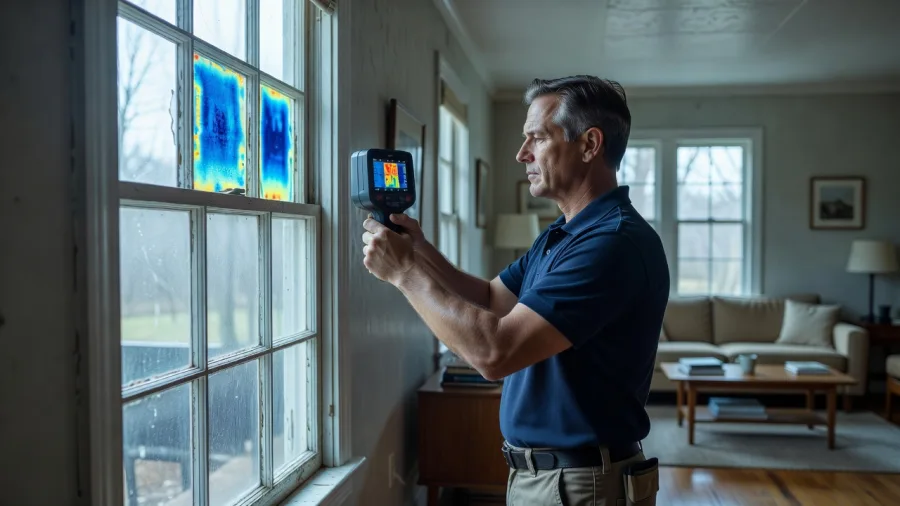
A home energy audit is a professional assessment of how energy moves through your home — where it leaks out, where it comes in, and what is costing you the most money each month. Auditors use specialized tools including blower door tests, infrared cameras, and computerized modeling to pinpoint exactly where your home is losing conditioned air.
Many utility companies offer free or heavily discounted energy audits to their customers. You can also hire a certified energy auditor independently. Either way, the resulting report is not just a list of suggestions — it is a document packed with measurable evidence about your specific home.
When it comes to windows, an audit can reveal:
- Which windows are the biggest sources of heat loss or air infiltration
- Infrared scan images showing cold spots or drafts around window frames
- A blower door test score indicating overall air leakage in your home
- Estimated energy savings if specific windows are upgraded
That information transforms you from a passive buyer into an informed negotiator.
How to Read Your Audit Results Before Talking to Contractors
Before you call a single contractor, spend some time understanding what your audit report is actually telling you. You do not need to be an engineer — just focus on a few key sections.
Heat Loss Maps and Infrared Images
Infrared scans show heat escaping through your walls and windows in vivid color. Blue and purple areas indicate cold spots — places where your heating dollars are leaking out. If your audit shows that only two or three windows are significant problem areas, that is crucial information. A contractor who recommends replacing every window in your home may be upselling you on work that the data does not support.
Blower Door Test Results
A blower door test depressurizes your home to measure how much air is leaking in or out. The result is expressed in air changes per hour or a similar metric. If your overall air leakage is moderate and the audit identifies your windows as only a minor contributor, you may get more value from weatherstripping and caulking than from full window replacement. Knowing this prevents you from spending thousands unnecessarily.
Projected Energy Savings
Many audit reports include estimated annual savings figures tied to specific improvements. If the report projects that upgrading your windows could save you a meaningful amount on your energy bills each year — new energy-efficient windows can reduce energy costs by $100 to $500 per year depending on your climate and current window condition — that gives you a baseline to evaluate whether a contractor's quoted price makes financial sense over time.
Using Audit Data to Compare Contractor Bids More Accurately
Getting multiple quotes is one of the most effective ways to save money on window replacement. Research consistently shows that homeowners who collect three or more bids can save 20% to 40% on their total project cost. But quotes are only useful if you can compare them accurately — and your audit report helps you do exactly that.
When you share your audit findings with contractors, ask each one to respond directly to the data. Specifically:
- Ask them to address the windows identified as high heat-loss areas in your infrared scan
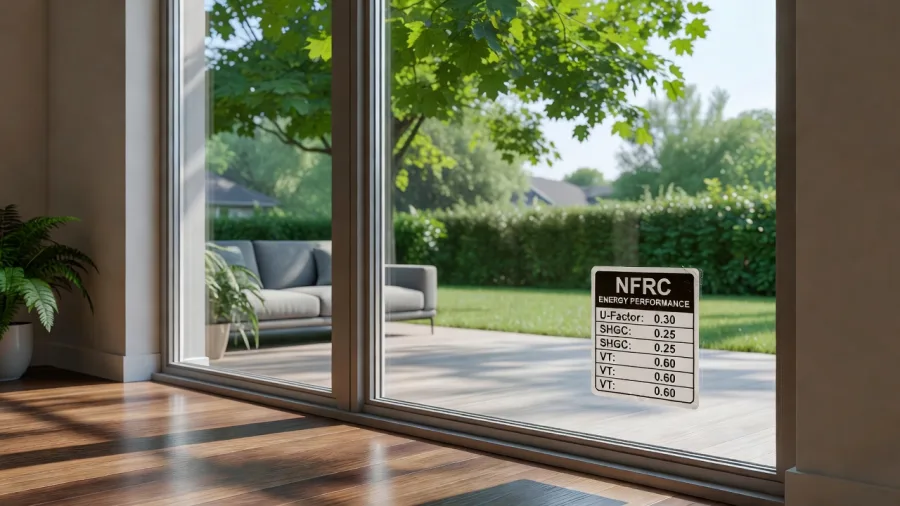
- Request that they explain why their recommended window type is appropriate for your climate zone and audit findings
- Ask for a written breakdown of which windows they recommend replacing versus which ones could be improved with less costly measures like weatherstripping
A contractor who engages seriously with your audit data is more likely to give you an honest, tailored proposal. One who ignores the report and pitches you a whole-house replacement package without addressing your specific findings deserves more scrutiny.
Rejecting Upsells You Do Not Actually Need
Window replacement is an industry where upsells are common. You may be steered toward the most expensive glass packages, decorative grilles, or premium frame materials that add significant cost without meaningful energy benefit for your situation.
Your audit report is your best defense. If a contractor recommends triple-pane windows but your audit shows your climate does not require that level of insulation — or that your biggest heat loss is coming from your attic, not your windows — you have objective grounds to push back.
Tip for seniors: Bring a trusted family member or friend to contractor meetings if possible. A second set of ears helps you catch details and feel more confident asking hard questions.
Tax Credits and Rebates That Can Lower Your Out-of-Pocket Cost
Negotiating a better price is only part of the savings picture. Federal tax credits under the Inflation Reduction Act may allow homeowners to claim a credit of up to $600 for qualifying energy-efficient windows in a given tax year. Eligibility requirements and annual limits apply, so check with a tax professional or visit the IRS website to confirm current rules.
In addition, many utility companies offer rebates for energy-efficient window upgrades. These rebate amounts vary widely by state, utility provider, and year. Your energy audit provider — especially if it was utility-sponsored — may be able to point you directly to available rebates in your area.
Window replacement costs typically range from $300 to $1,000 per window depending on the window type, size, and installation complexity. When you factor in tax credits, utility rebates, and negotiated pricing, the real out-of-pocket cost can be significantly lower than the sticker price suggests.
Your Next Step: Get the Audit First, Then Get the Quotes
If you have not yet had a home energy audit, that is your logical starting point. Contact your utility company to ask whether they offer free or subsidized audits for residential customers — many do, and some programs specifically target older homeowners or those on fixed incomes.
Once you have your audit report in hand, you will be ready to approach window replacement contractors from a position of knowledge rather than guesswork. That shift alone can mean hundreds or even thousands of dollars in savings on your project.
Ready to get started? Visit the U.S. Department of Energy website at energy.gov to find certified home energy auditors in your area, learn more about qualifying window products, and review current federal tax credit guidelines. You can also call your utility provider directly to ask about free audit programs available to customers in your region.
Advertisement