Advertisement
If you are planning to replace windows in your home, knowing how to read window energy efficiency ratings on an NFRC label is one of the most practical skills you can have. That small black-and-white sticker on a window display might look like fine print you can skip, but it holds the key to whether you will actually save money on heating and cooling, qualify for a federal tax credit, or end up paying premium prices for a window that underdelivers in your specific climate. This guide breaks it all down in plain language so you can shop with confidence.
What Is an NFRC Label and Why Does It Matter?
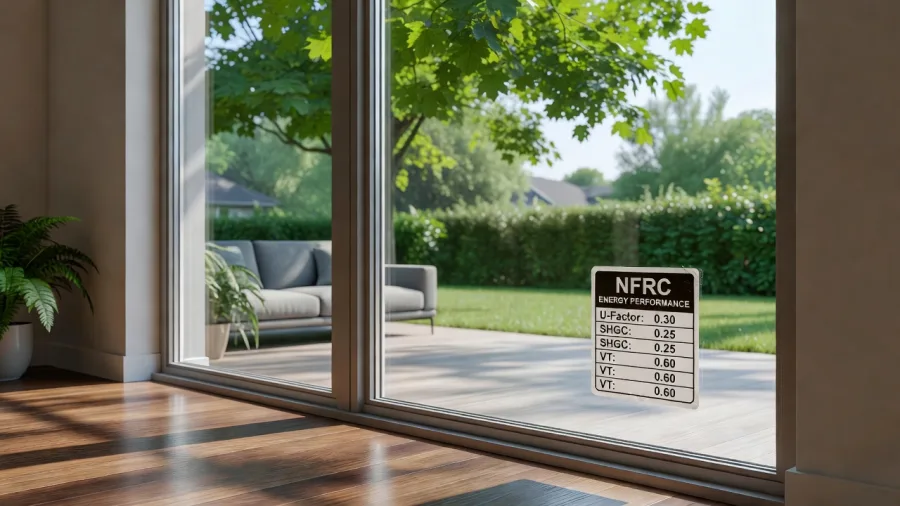
The National Fenestration Rating Council (NFRC) is a nonprofit organization that independently tests and certifies the energy performance of windows, doors, and skylights. When a window carries an NFRC label, it means the ratings on it have been verified by an outside organization, not just claimed by the manufacturer.
This matters for two big reasons. First, it gives you an apples-to-apples way to compare windows from different brands. Second, many federal tax credits and utility rebate programs require that a window carry specific NFRC-certified ratings to qualify. Without understanding the label, you are essentially taking a contractor's word for it that the window is a good deal.
The Four Numbers on Every NFRC Label
Every NFRC label displays several performance ratings. Here are the four you should focus on and what each one means in everyday terms.
U-Factor: How Well the Window Holds Heat In
The U-factor measures how quickly heat escapes through the window. Think of it like a leaky bucket. The lower the number, the slower the heat loss, and the better the window is at keeping your home warm in winter.
- U-factor ratings typically range from about 0.20 to 1.20.
- A lower number means better insulation.
- For most climates, look for a U-factor of 0.30 or lower to maximize energy savings.
- To qualify for the federal energy efficiency tax credit under current Inflation Reduction Act provisions, the window generally must meet or beat a U-factor threshold set by ENERGY STAR for your climate zone. Check the current ENERGY STAR requirements for your region before buying.
Solar Heat Gain Coefficient: How Much Sun Warmth Gets Through
The Solar Heat Gain Coefficient (SHGC) measures how much of the sun's heat energy passes through the glass into your home. This number ranges from 0 to 1.
- A lower SHGC means less solar heat enters, which is ideal if you live in a hot, sunny climate like the Southwest or Southeast. It keeps your air conditioner from working overtime.
- A higher SHGC can actually be helpful in colder northern climates, where passive solar warmth through south-facing windows can offset heating costs in winter.
- This is why the same window is not always the best choice in every part of the country. A window with a low SHGC sold to someone in Minnesota could actually increase their heating bill.
Visible Transmittance: How Much Natural Light Comes Through
Visible transmittance (VT) tells you what percentage of natural daylight passes through the window. It ranges from 0 to 1, and a higher number means more daylight.
This rating is less about energy savings and more about comfort and livability. If you enjoy bright rooms or rely on natural light, look for a VT of 0.50 or higher. Some heavily tinted or low-SHGC windows can score lower on VT, making rooms feel darker than expected.
Air Leakage: How Drafty Is the Window?
Air leakage (AL) measures how much air sneaks through the window frame and seal. Lower is better. A rating of 0.30 or less is generally considered good. Drafty windows are one of the top reasons older homes have high heating and cooling costs, so this number deserves more attention than it usually gets.
How to Use NFRC Ratings to Qualify for Tax Credits and Rebates
Under current Inflation Reduction Act provisions, homeowners may be eligible for a federal tax credit of up to $600 for qualifying energy-efficient windows. To qualify, the windows typically must meet ENERGY STAR Most Efficient criteria or specific U-factor and SHGC thresholds based on your climate zone. The U.S. is divided into several climate zones, and the requirements vary by zone.
Before you buy, ask the contractor or retailer for the NFRC-certified U-factor and SHGC values in writing, and verify them against the current ENERGY STAR requirements for your climate zone at energystar.gov. Do not rely solely on marketing language like energy efficient or green certified without seeing the actual numbers.
Your local utility company may also offer rebates for energy-efficient window upgrades. These programs vary widely by state, utility provider, and year. Many require the same NFRC documentation to process the rebate, so keeping the label and product specifications sheet after installation is always a smart move.
How to Read Window Energy Efficiency Ratings When Shopping
When you visit a showroom or get a contractor quote, here is a simple checklist based on how to read window energy efficiency ratings for your situation:
- Ask for the NFRC label or spec sheet for any window being quoted. Reputable manufacturers and contractors will have this on hand.
- Look up your climate zone on the ENERGY STAR website before you shop so you know exactly what U-factor and SHGC you need.
- Compare at least three windows side by side using only the NFRC numbers, not the brand name or price tag.
- Get multiple quotes from contractors. Industry data suggests that getting three or more quotes can reduce your total project cost by 20 to 40 percent.
- Ask the contractor explicitly whether the windows they are proposing meet the ENERGY STAR criteria for your zone and whether they will provide documentation for tax credit purposes.
A Quick Example: Two Windows, Same Price, Very Different Results
Imagine two double-pane windows priced identically at around $500 installed. Window A has a U-factor of 0.28 and an SHGC of 0.25. Window B has a U-factor of 0.35 and an SHGC of 0.40. If you live in a hot southern state, Window A will keep more heat out in summer and is more likely to meet ENERGY STAR requirements for that region. Window B might actually cost you more in cooling bills over time, and it may not qualify for the tax credit, costing you the credit on top of higher utility bills. The label makes that difference visible before you sign anything.
Your Next Step
Reading an NFRC label takes less than two minutes once you know what you are looking for, and it can protect you from expensive mistakes. Before your next contractor appointment, take five minutes to look up your climate zone and the current ENERGY STAR window requirements so you walk in knowing exactly what numbers you need.
Visit energystar.gov to find the ENERGY STAR window criteria for your climate zone and confirm which products currently qualify for the federal tax credit. You can also use the ENERGY STAR Rebate Finder tool on that site to check whether your utility company offers additional rebates in your area. Knowing your numbers before you shop is the single best thing you can do to make sure your window investment pays off for years to come.
Advertisement