Advertisement
Your Neighborhood Has More Negotiating Power Than You Think
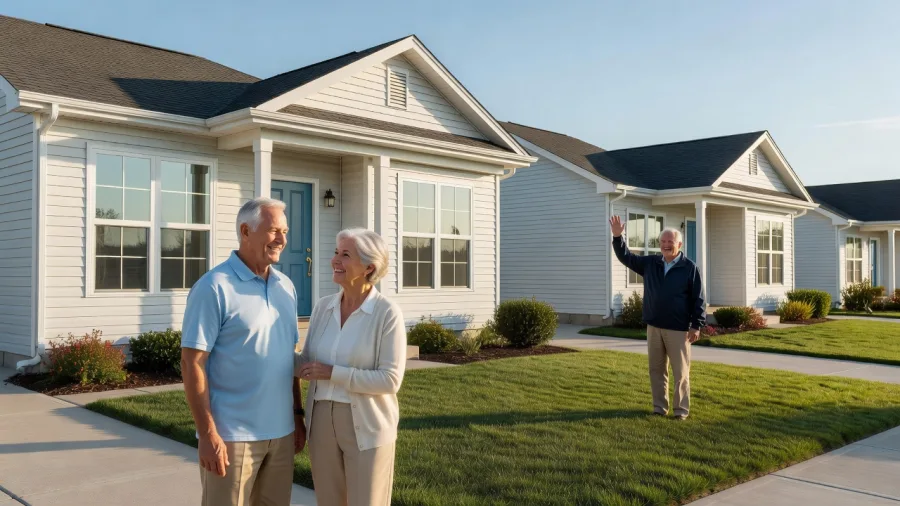
If you live in a 55+ development, an HOA community, or an active neighborhood association, you already belong to one of the most powerful purchasing groups in your area — you just may not be using it. When it comes to a group window replacement discount for HOA senior communities, organizing your neighbors for a bulk window project can unlock pricing and perks that no single homeowner could ever negotiate alone. This guide walks you through exactly how to make it happen.
Why Window Replacement Is Worth Tackling as a Group
Window replacement is one of the most impactful home upgrades an older homeowner can make. New energy-efficient windows can reduce heating and cooling costs, eliminate drafts, and even qualify you for meaningful financial incentives. According to widely reported estimates, energy-efficient windows can save homeowners anywhere from $100 to $500 per year on energy bills, depending on your climate and the age of your existing windows.
The challenge is cost. A single window replacement typically runs between $300 and $1,000 per window, including labor and materials. For a home with ten or fifteen windows, that adds up fast. But here is the good news: contractors price window jobs partly based on mobilization — the cost of showing up, setting up equipment, and dedicating a crew to your address. When a contractor can do twenty homes in a row on the same street or in the same community, that mobilization cost gets spread across the whole group, and the savings get passed to you.
How Group Purchasing Works in an HOA or 55+ Community
A group purchasing arrangement — sometimes called a community bulk buy — works like this: a designated organizer within the community collects interest from neighbors, approaches multiple window contractors with a combined project size, and negotiates pricing based on volume. The more homes involved, the stronger your position.
Here is a simple framework to get started:
- Survey your neighbors. Send a note through your HOA newsletter, email list, or community board asking who is interested in replacing windows in the next six to twelve months. Even ten to fifteen households is enough to get contractor attention.
- Collect basic project details. Ask each interested household roughly how many windows they need replaced and what type (double-hung, casement, sliding, etc.). You do not need exact specs yet — just enough to give contractors a ballpark project size.
- Get multiple quotes. Approach at least three to five licensed, insured window contractors and present the combined opportunity. Research consistently shows that getting multiple quotes can save homeowners 20% to 40% on a project. When you add bulk volume on top of competitive bidding, you are stacking two powerful discounts.
- Negotiate shared mobilization and scheduling. Ask contractors to price out a scenario where they work through the community in consecutive days or weeks. The scheduling efficiency is worth real money to them, and they should be willing to share some of that savings with you.
- Let each homeowner sign their own contract. This keeps things simple and protects everyone legally. The group organizes the deal, but each household handles their own payment and agreement.
Tax Credits and Rebates That Make the Deal Even Better
Beyond bulk pricing, individual homeowners in the group may qualify for additional savings that stack on top of the volume discount.
Federal Energy Tax Credits
Under provisions of the Inflation Reduction Act, homeowners may be eligible for a federal tax credit of up to $600 for qualifying energy-efficient windows in a given tax year. Eligibility depends on the specific product meeting ENERGY STAR certification requirements and other IRS guidelines. Tax rules change, so always confirm current thresholds with a tax professional or visit the IRS website directly before making purchasing decisions.
Utility Company Rebates
Many local and regional utility companies offer rebates for upgrading to energy-efficient windows. These programs vary significantly by state, utility provider, and year — but they can add up to meaningful cash back. When you are negotiating your group deal, ask the contractor if they are familiar with local utility rebate programs and whether they can help residents with the paperwork. Some contractors who specialize in energy-efficient upgrades will handle this as part of their service.
State and Local Programs
Some states offer their own weatherization assistance or home improvement incentive programs for older adults. Your local Area Agency on Aging is a good starting point for finding state-specific help. Benefits can vary widely, so checking what is available in your area is always worth the call.
What to Look for in a Contractor for a Community Project
Not every contractor is set up to handle a neighborhood-scale project. When evaluating bids for your group window replacement discount HOA senior community arrangement, look for these qualities:
- Experience with multi-unit or multi-home projects. Ask for references from similar community or neighborhood jobs.
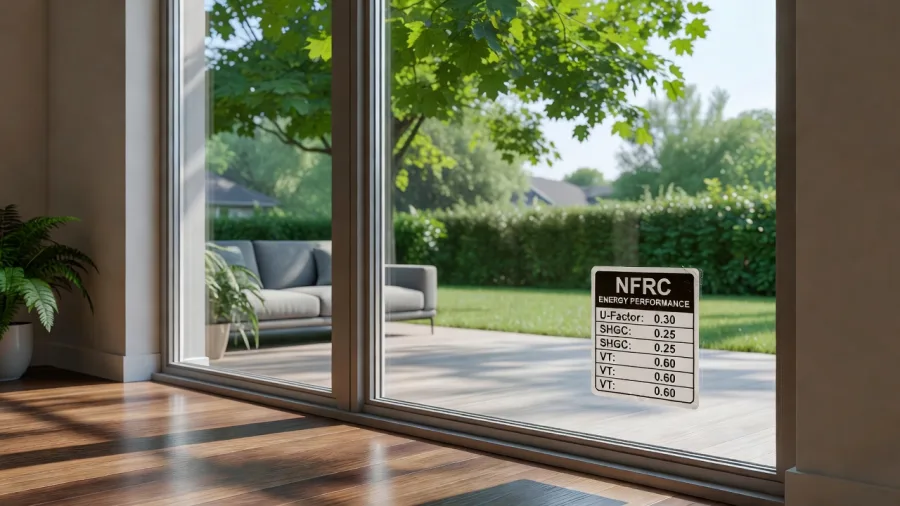
- ENERGY STAR certified products. This matters for tax credit eligibility and long-term energy savings.
- Clear written warranties. Both the product warranty from the manufacturer and the labor warranty from the contractor should be in writing.
- Licensing and insurance. Verify this for every contractor before anyone signs anything.
- Transparent pricing breakdown. You want to see materials, labor, and disposal costs listed separately so you can compare apples to apples across bids.
Tips for Keeping the Group Organized
Community projects succeed or fall apart based on coordination. A few practical tips:
- Designate one or two point-of-contact people to communicate with contractors on behalf of the group.
- Use your HOA meeting schedule or a community email thread to keep everyone informed.
- Set a soft deadline for neighbors to commit — open-ended timelines cause projects to stall.
- Keep the process transparent so every participant understands the pricing and what they are individually responsible for.
Remember: You are not running a co-op or a business. You are simply organizing a shared opportunity. The legal and financial relationship is always between each individual homeowner and their contractor.
Your Next Step: Start the Conversation in Your Community
The hardest part of a group window replacement discount for an HOA or senior community project is getting started. Once you post a simple sign-up sheet or send one email to your neighbors, you may be surprised how many people are already thinking about window replacement and just waiting for someone to take the lead.
Start by checking whether your community has an energy committee, a home improvement subcommittee, or an engaged HOA board that could help carry the effort. Then reach out to ENERGY STAR-certified window contractors in your area and mention that you represent a neighborhood group with multiple interested households.
For information on qualifying products and federal tax credit guidelines, visit the official ENERGY STAR website or the IRS Energy Efficient Home Improvement Credit page. For state and local rebate programs, contact your utility company directly or search the Database of State Incentives for Renewables and Efficiency (DSIRE) online. And for older adult assistance programs in your area, call your local Area Agency on Aging — you can find your local office by visiting the Eldercare Locator at eldercare.acl.gov or calling 1-800-677-1116.
Your community already has the numbers. Now it is time to put them to work.
Advertisement