Advertisement
If you are caring for a parent or spouse with Alzheimer's disease or another form of dementia, ensuring they eat well every day can feel like an uphill battle. Meals on Wheels for seniors with dementia offers a practical solution — hot, nutritious meals delivered right to the front door, often at little or no cost. But enrolling someone who cannot manage the process themselves, and keeping the service running smoothly, takes some planning. This guide walks you through exactly how to do it.
Why Meals on Wheels Matters for Seniors With Dementia
Cognitive decline affects far more than memory. It can disrupt a person's ability to recognize hunger, remember to eat, safely operate a stove, or navigate a grocery store. Many families discover too late that a loved one has been skipping meals, eating expired food, or relying on snacks instead of balanced nutrition.
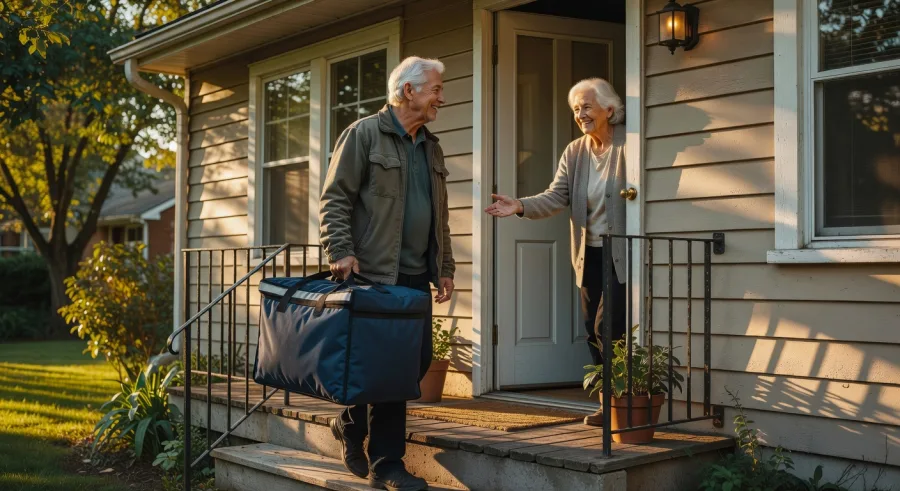
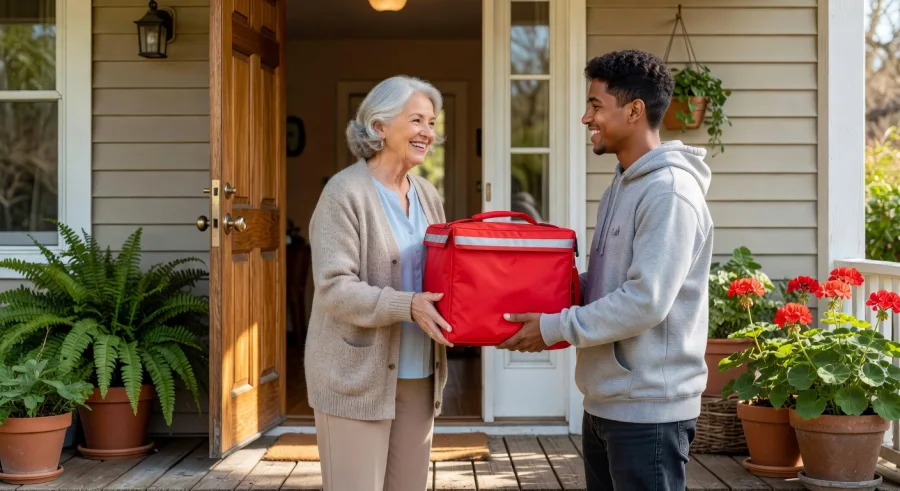
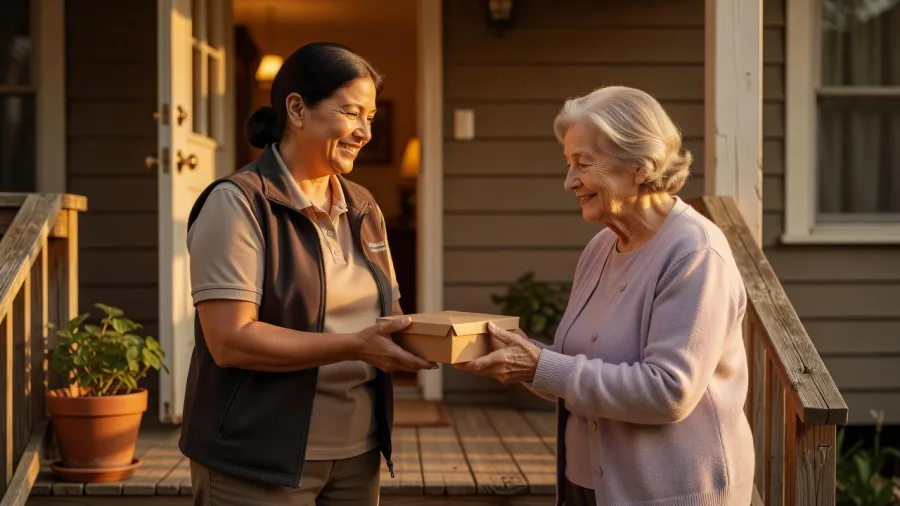
Meals on Wheels addresses all of these risks directly. Trained drivers deliver hot meals to the home on a regular schedule — typically once a day on weekdays, with some programs offering weekend and frozen meal options. Just as importantly, many programs include a brief wellness check during each delivery. For a person living alone with dementia, that daily knock on the door and a friendly face can be a meaningful safety net.
How to Enroll a Loved One Who Cannot Self-Advocate
One of the most common questions family caregivers ask is: Can I sign my loved one up if they cannot do it themselves? The answer is yes. You do not need to be a legal guardian or have power of attorney to initiate enrollment, though having documentation of your caregiving role can speed things along.
Step 1: Find Your Local Program
Meals on Wheels programs are run locally, which means services, eligibility rules, and costs vary by community. The two best starting points are:
- Meals on Wheels America — the national umbrella organization, which operates a program locator on its website
- Your local Area Agency on Aging (AAA) — federally funded regional offices that connect seniors to home-delivered meal programs and other services
You can find your local AAA by calling the Eldercare Locator at 1-800-677-1116, a free national service operated by the U.S. Administration on Aging.
Step 2: Complete the Intake Process on Their Behalf
During enrollment, be prepared to provide basic information about your loved one: their address, any dietary restrictions or allergies, medical conditions relevant to food preparation (such as diabetes or swallowing difficulties), and the best times for delivery. Let the intake coordinator know upfront that the recipient has dementia. This context helps the program assign an experienced driver and flag any special instructions for the delivery team.
Step 3: Discuss Cost and Waitlists
Many Meals on Wheels programs serve recipients at no charge or ask for a voluntary donation based on what the person can afford. Funding often comes through the federal Older Americans Act, local grants, and community donations. Some areas have waiting lists, so applying as early as possible is wise. Ask the program coordinator directly about costs and expected wait times in your area.
Handling Door Interactions When a Loved One Has Dementia
This is one of the most overlooked challenges of Meals on Wheels for seniors with dementia. Your loved one may not remember that meals are being delivered, may be startled or confused by a knock at the door, or may refuse to answer or accept the food from a stranger.
Here are practical strategies that caregivers have found helpful:
- Create a visual reminder near the door. A simple laminated sign that says something like, "A meal delivery person will knock today — it is safe to open the door," can reduce confusion and anxiety.
- Establish a consistent delivery window. Ask your local program if the driver can arrive around the same time each day. Routine is especially comforting for people with cognitive decline.
- Request a familiar driver when possible. Many programs will try to assign the same volunteer or staff member to a route. A recognizable face makes a significant difference.
- Notify the program about behavioral patterns. If your loved one tends to be more confused in the afternoon or has sundowning symptoms, share that information so deliveries can be scheduled accordingly.
- Consider a lockbox or leave-at-door arrangement. Some programs can coordinate a safe drop-off if the recipient is unable to reliably answer the door. Discuss this option with your local coordinator.
Food Safety Concerns You Should Know About
A person with dementia may not remember whether they ate the meal delivered an hour ago, or they may save it and eat it hours later when it is no longer safe. Food safety requires active oversight from caregivers.
- Check in daily if possible. A quick phone call or pop-in visit shortly after delivery lets you confirm the meal was eaten.
- Ask about packaging. Many programs use containers that are easy to distinguish as today's meal. Ask if the packaging is labeled with the date.
- Remove leftovers promptly. If you visit in the evening, clear any uneaten food from the day to prevent it from being consumed the next morning.
- Discuss texture and dietary needs. If your loved one has swallowing difficulties — common in later stages of dementia — ask the program whether they offer pureed or minced meal options. Many do.
Coordinating With the Program as an Ongoing Advocate
Your role does not end at enrollment. Because your loved one cannot flag problems themselves, you become their voice with the program. Build a relationship with the local coordinator and check in periodically. Let them know if your loved one's condition changes, if they move to a new address, or if there is a hospitalization that requires a temporary pause in service.
Also encourage drivers to contact you directly if anything seems off during a delivery — an unanswered door, visible confusion, or a home that appears unsafe. Many programs welcome this kind of caregiver partnership and will note your contact information in the recipient's file.
The daily wellness check that comes with most Meals on Wheels deliveries can be one of the most important safety features for a person with dementia living alone. Drivers are often the first to notice a change in condition.
Take the Next Step Today
If you are caring for a loved one with Alzheimer's or dementia, do not wait until a nutrition or safety crisis to explore this resource. Meals on Wheels for seniors with dementia is available in communities across the country and can be a cornerstone of a safe, supported daily routine.
To get started, call the Eldercare Locator at 1-800-677-1116 to find your local Meals on Wheels program or Area Agency on Aging. You can also visit the Meals on Wheels America website directly and use their program locator to find services in your ZIP code. Early enrollment means less waiting and more peace of mind — for your loved one and for you.
Advertisement