Advertisement
If you or a loved one served in the military and is now finding it harder to shop, cook, or get out of the house, help is available — and it may be more extensive than you think. Meals on Wheels for veterans benefits can come from two separate systems: the community-based Meals on Wheels programs most people know, and a parallel set of VA-funded home nutrition services that many veterans never learn about. This guide walks you through both options, how eligibility works, and how to make the most of everything available to you.
What Is Meals on Wheels and Who Does It Serve?
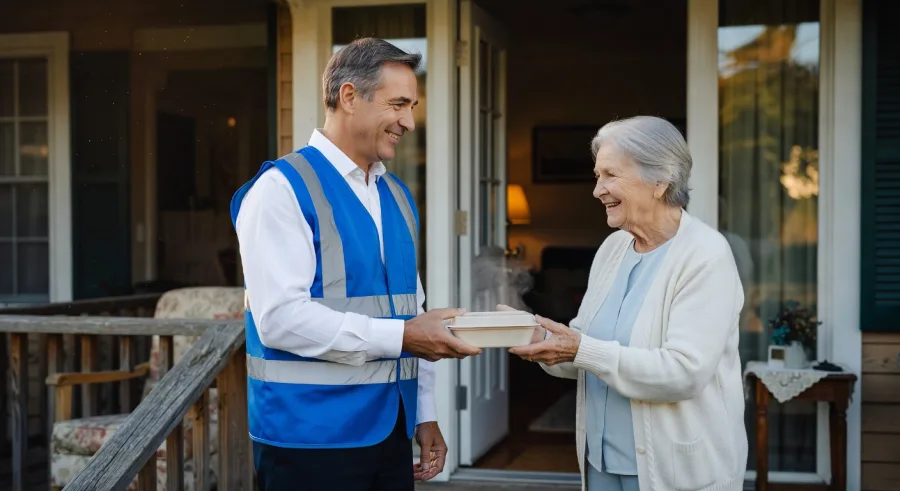
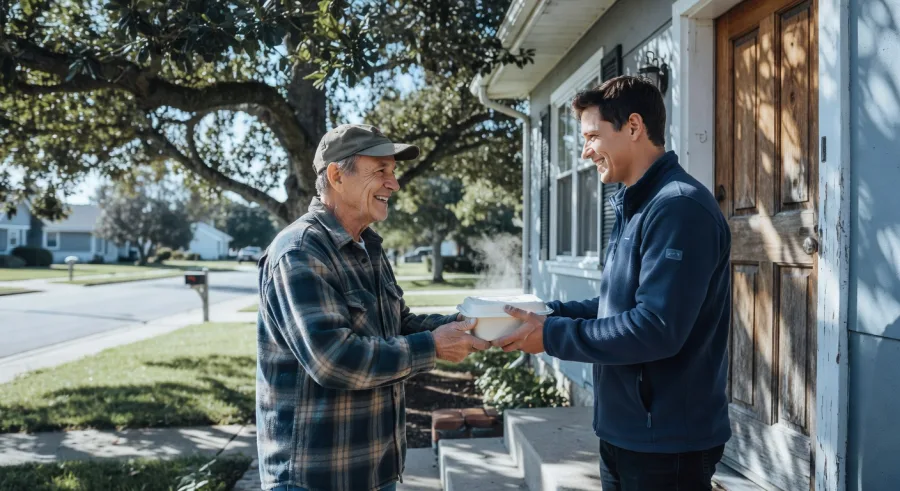
Meals on Wheels is a network of local programs across the country that delivers hot, nutritious meals directly to seniors and individuals who are homebound or have difficulty preparing food on their own. It serves millions of Americans every year, often at little or no cost to the recipient. Many programs also include a daily wellness check — a friendly knock on the door that can be a lifeline for people living alone.
The program is available to anyone who qualifies regardless of whether they served in the military. But veterans have additional doors they can walk through, and that is where the real opportunity lies.
VA-Funded Home Meal Programs: A Separate Pathway for Veterans
The Department of Veterans Affairs offers its own nutrition and home support services for eligible veterans. These are separate from — and can often be used alongside — community Meals on Wheels programs.
Home and Community-Based Services Through the VA
The VA provides what it calls Home and Community-Based Services, a broad category that includes home health aide support, adult day health care, and home-delivered meals for veterans who qualify. These services are designed for veterans who have difficulty with daily activities, including meal preparation, because of age, disability, or a service-connected condition.
Eligibility for VA home services generally depends on your VA enrollment status, your level of need, and in some cases your service-connected disability rating. Veterans do not always need a service-connected disability to qualify — many are approved based on clinical need alone. Your VA primary care provider or a social worker at your nearest VA medical center can assess your situation and refer you to the right services.
The Veterans-Directed Care Program
One especially flexible option is the Veterans-Directed Care (VDC) program. This program gives qualifying veterans a budget they manage themselves to purchase the supportive services they need, which can include meals, personal care, and household help. Rather than the VA arranging services for you, VDC puts you in control of how funds are spent. Not every VA medical center offers this program, so you will want to ask specifically whether it is available in your area.
How Meals on Wheels for Veterans Benefits Can Work Together
Here is the good news: receiving meals or support through the VA does not necessarily prevent you from also receiving community Meals on Wheels services. Many veterans use both systems at the same time to fill gaps. For example, a VA program might cover meals on certain days, while a local Meals on Wheels chapter fills in the rest of the week. Community programs also often provide social connection and wellness checks that a strictly medical program does not.
Coordinating the two systems takes a little effort, but it is absolutely worth exploring. A VA social worker or a care coordinator at your local Area Agency on Aging can help you map out what you qualify for and how the two programs can complement each other.
How to Apply: Step-by-Step
Step 1: Contact Your Local Meals on Wheels Program
Start by reaching out to your local Meals on Wheels chapter or your Area Agency on Aging. You can find your nearest agency through the Eldercare Locator, a free government service. When you call, mention that you are a veteran — some local programs have dedicated veteran outreach staff or prioritized waitlists for those who have served.
Step 2: Get in Touch With Your VA
If you are already enrolled in VA health care, call your VA medical center and ask to speak with a social worker or your patient-aligned care team. Let them know you are having difficulty with meal preparation or daily living. They can assess your needs and connect you with VA home services, including home-delivered meals if available in your area.
If you are not yet enrolled in VA health care, you may still be eligible. Visit the VA's official website or call the VA's main eligibility line to find out what coverage you may qualify for based on your service history.
Step 3: Ask About State and Local Veteran Programs
Many states have their own veteran assistance programs that can supplement federal benefits. Your state department of veterans affairs is a good place to start. Benefits and funding levels vary by state and can change from year to year, so it is worth asking what is currently available in your area.
Who Qualifies for Meals on Wheels for Veterans Benefits?
- Homebound seniors: You do not need to be confined to bed — if leaving the home requires considerable effort or is medically inadvisable, you likely qualify as homebound.
- Veterans with a service-connected disability that limits their ability to cook or shop.
- Veterans enrolled in VA health care who have a documented clinical need for nutritional support.
- Low-income seniors who qualify for community Meals on Wheels based on local eligibility criteria.
Important note: Eligibility rules and benefit levels vary by location and change over time. Always verify current qualifications directly with the VA or your local program coordinator before assuming you do or do not qualify.
Beyond the Meal: Why This Program Matters
For many veterans living alone, a daily meal delivery is about far more than food. It is a regular human connection. It is someone who notices if you did not answer the door. It is a small but meaningful reminder that the community has not forgotten those who served. Research consistently shows that programs like Meals on Wheels reduce hospitalizations, support independence, and improve quality of life for older adults.
If you are a family member or caregiver reading this on behalf of a veteran, know that helping them access these services is one of the most practical and impactful things you can do.
Take the Next Step Today
Do not wait to find out what is available. Start with one phone call. Contact the Eldercare Locator at 1-800-677-1116 to find your local Area Agency on Aging, or visit the official Meals on Wheels America website to locate a program near you. If your veteran is enrolled in VA health care, call the VA and ask to speak with a social worker about home and community-based services. Help is out there — you just have to ask for it.
Advertisement