Advertisement
You Don't Have to Be There in Person to Make a Difference
If you're searching for how to get Meals on Wheels for an elderly parent long distance, you're already doing something powerful — you're taking action. Millions of adult children and family caregivers live hours or even a plane ride away from aging parents, and the worry about whether Mom or Dad is eating properly can be overwhelming. The good news is that enrolling a loved one in Meals on Wheels does not require you to be physically present. With a few phone calls, some coordination, and a little patience, you can get this vital service set up from anywhere in the country.
This guide walks you through the specific steps, common challenges, and communication strategies that long-distance caregivers need to make it happen.
What Is Meals on Wheels, and Why Does It Matter?
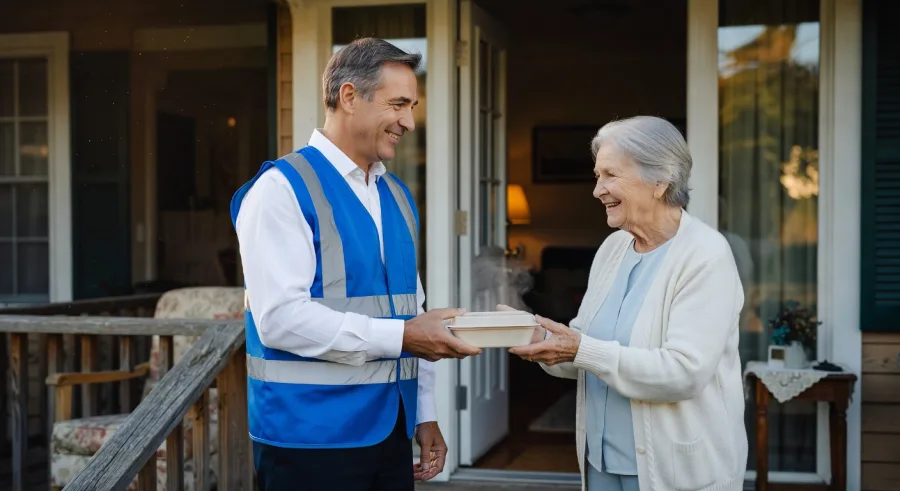
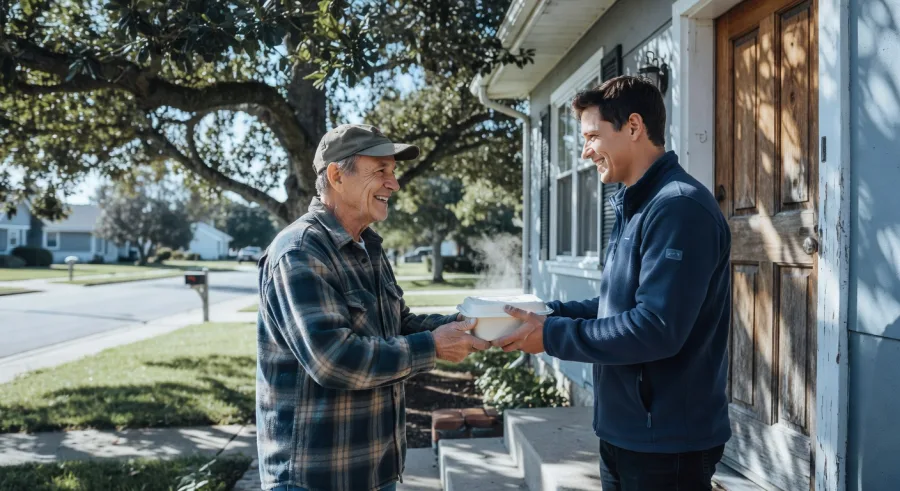
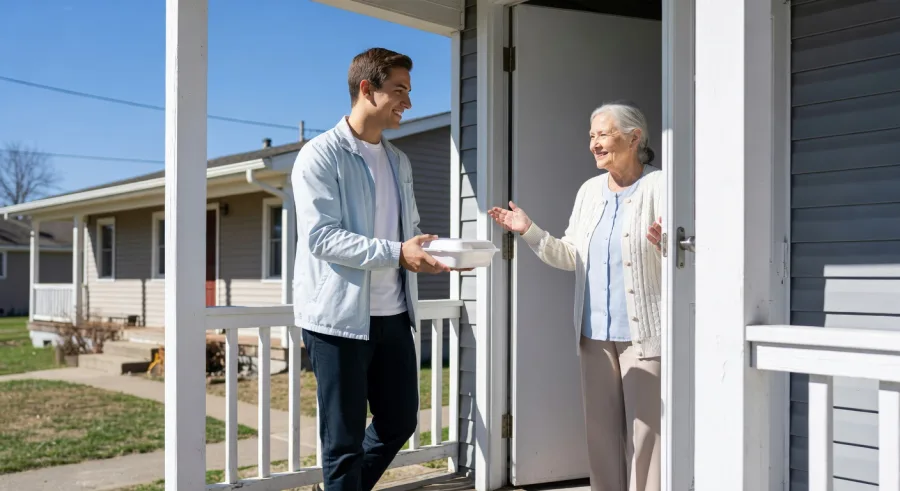
Meals on Wheels is a nationwide network of local programs that delivers hot, nutritious meals directly to the homes of seniors and individuals who have difficulty shopping for or preparing food on their own. Many programs serve millions of seniors every year, and the service goes beyond just food. Volunteers and staff who deliver meals often provide a daily wellness check — meaning someone is physically checking on your loved one each time a meal is dropped off.
For a long-distance caregiver, that wellness check can be just as valuable as the meal itself. It's an extra set of eyes and ears on your parent's wellbeing when you can't be there.
Most programs offer meals at little or no cost to recipients, with sliding-scale contributions based on what the individual can afford. Costs and availability vary by location, so it's important to contact the specific program in your parent's area.
Step 1: Find the Right Local Program
Meals on Wheels is not a single national organization — it's a network of independently operated local programs. That means the first step is finding the program that serves your parent's specific zip code or county.
Here are the best ways to locate it:
- Visit the Meals on Wheels America website and use their program locator tool. You'll enter your parent's zip code and get contact information for the nearest provider.
- Call the Eldercare Locator at 1-800-677-1116. This is a free, federally funded service that connects callers with local resources for older adults, including Meals on Wheels programs.
- Contact your parent's local Area Agency on Aging (AAA). Every region in the United States has one. They coordinate senior services and can connect you directly with meal delivery programs in the area.
Once you've identified the right program, write down their phone number and hours of operation. You'll be calling them more than once.
Step 2: Make the Initial Call — What to Say
When you call the local Meals on Wheels program, be upfront about your situation. Let them know that you are a family member calling on behalf of your parent, that you live out of state, and that your parent may or may not be available to speak on the phone. Programs deal with long-distance caregivers regularly, and staff are generally very helpful in walking you through what they need.
During the intake process, you may be asked for:
- Your parent's full name, address, and date of birth
- Information about their dietary restrictions or health conditions
- Whether they live alone or with others
- An emergency contact (which may be you)
- Their availability for delivery windows
Some programs will require your parent to give verbal or written permission for you to act on their behalf. If your loved one is able to communicate, consider scheduling a three-way phone call with the program coordinator so your parent can confirm their consent and answer any questions directly.
Step 3: Handle the Paperwork Remotely
Depending on the local program, there may be intake forms, release-of-information paperwork, or financial disclosure forms involved. Ask the coordinator whether documents can be emailed, mailed, or completed online. Many programs now offer digital options that make the process easier for remote family members.
If you have legal authority — such as a power of attorney or healthcare proxy — have a copy of that document ready to share. It can simplify the process considerably if there are questions about your ability to enroll your parent on their behalf.
Step 4: Loop In a Local Contact
One of the most effective strategies for long-distance caregivers is identifying a trusted local contact who can help during the enrollment process and beyond. This might be a neighbor, a friend of your parent's, a church member, or a local professional caregiver.
This person can:
- Be home for the first delivery if your parent needs support
- Confirm that meals are actually being received and eaten
- Alert you or the program if something seems off
- Serve as an emergency contact closer to home
Even a friendly neighbor who agrees to check in once a week can make a significant difference in your peace of mind.
How to Get Meals on Wheels for an Elderly Parent Long Distance: Common Challenges
Long-distance enrollment can come with a few hiccups. Here's what to watch for and how to handle it:
- Waitlists: Some local programs have more demand than volunteer capacity. Ask about the waitlist length and whether there are alternative programs or temporary options while you wait.
- Parent resistance: Some seniors feel uncomfortable accepting help or worry about losing independence. Frame the service as a practical convenience, not a sign of decline. Emphasize the social aspect — a friendly face at the door every day.
- Communication gaps: Programs may call your parent directly for scheduling or updates. Make sure your parent knows to expect calls and understands what the program is.
- Changes in condition: If your parent's health changes, notify the program. Many can adjust meal types, delivery frequency, or level of check-in support.
Stay Connected After Enrollment
Once your parent is enrolled, set a reminder to follow up with the local program every few months. Ask how deliveries are going, whether your parent is answering the door, and if there are any concerns the delivery staff have noticed. These workers often build genuine relationships with the seniors they serve and can share observations that matter.
Also keep talking with your parent directly. Ask them about the meals, about the person who delivers them, and whether the arrangement is working. Their feedback matters, and staying connected helps you catch problems early.
Take the First Step Today
You don't have to live nearby to make sure your parent is eating well and being looked after. Thousands of long-distance caregivers successfully enroll aging relatives in Meals on Wheels every year — and you can too.
Start by calling the Eldercare Locator at 1-800-677-1116, or visit the Meals on Wheels America website to find the program nearest to your parent's home. One phone call could mean a hot meal, a friendly visit, and a daily check-in for someone you love — starting as soon as next week.
Advertisement