Advertisement
How to Help an Elderly Neighbor Get Meals on Wheels When They Refuse to Ask
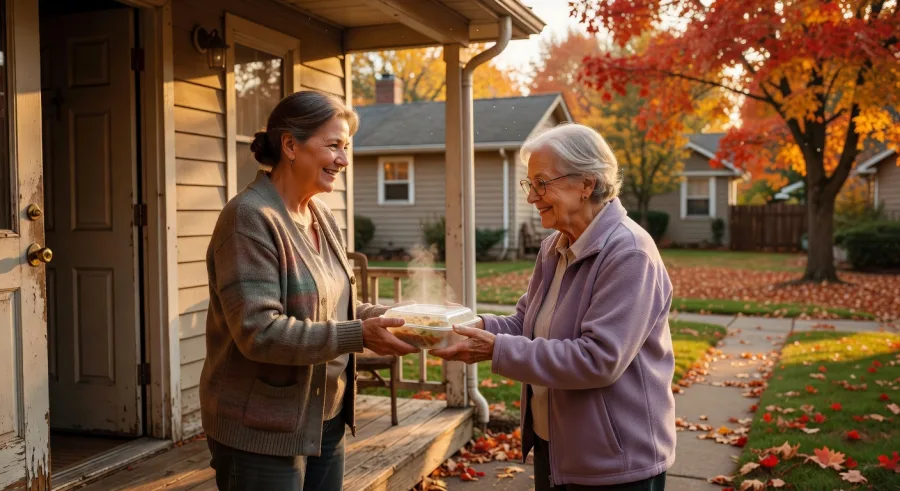
You have noticed the signs. Maybe your neighbor's porch light stays on all day, or you have not seen them at the mailbox in weeks. Perhaps you dropped off a casserole and spotted an almost-empty refrigerator. If you are worried about an older adult nearby who may be struggling to eat well or care for themselves — but who is too proud, too private, or too overwhelmed to ask for help — you are not alone. Millions of Americans find themselves in exactly this position. The good news is that programs like Meals on Wheels exist precisely for situations like this, and knowing how to help an elderly neighbor get Meals on Wheels could genuinely change — or even save — their life.
Why Older Adults Resist Asking for Help
Before you can help, it helps to understand why so many seniors resist reaching out in the first place. For many older adults, asking for assistance feels like admitting defeat. They grew up in a generation that valued self-reliance above almost everything else. Accepting a government or community program can feel embarrassing, like a sign that they have lost their independence.
Others may simply not know these programs exist. Some fear that accepting help will cost them money they do not have, or that it will somehow affect other benefits they receive. And some are genuinely isolated — cut off from family, friends, or neighbors who might otherwise have stepped in sooner.
Understanding these barriers helps you approach the conversation with empathy rather than frustration. Your neighbor is not being difficult. They are being human.
Warning Signs That an Older Adult May Need Help With Food and Nutrition
You do not have to be a healthcare professional to recognize when something is off. Here are some common signs that an elderly neighbor or friend may be struggling with food insecurity or the ability to care for themselves:
- Visible weight loss or appearing thinner than usual over a short period of time
- Spoiled or expired food visible in the kitchen or garbage
- An unusually bare refrigerator or pantry during a casual visit
- Confusion or fatigue that could be related to poor nutrition
- Difficulty walking, driving, or getting around that makes grocery shopping difficult
- Comments about skipping meals or not being hungry, which can mask an inability to prepare food
- A home that shows signs of neglect — dishes piling up, mail not collected, curtains always drawn
None of these signs alone is a definitive signal, but a combination of several should prompt you to gently check in.
How to Start the Conversation Without Overstepping
This is where many well-meaning neighbors get stuck. You do not want to offend someone or make them feel pitied. Here are a few approaches that tend to work well:
Lead With Curiosity, Not Concern
Instead of saying, I am worried you are not eating enough, try asking open-ended questions. Something like, I have been meaning to ask — do you ever find it hard to get to the grocery store these days? gives your neighbor an opening to share without feeling put on the spot.
Share Information Casually
You might mention that you recently learned about Meals on Wheels or a similar program. I heard that there is a program in our area that delivers hot meals right to your door — I thought that sounded really convenient. This plants the idea without making it feel like a judgment.
Offer to Help Navigate the Process Together
For many seniors, the idea of calling a government office or filling out paperwork is a significant barrier. Offering to sit with them, make a phone call on their behalf, or look up information together can lower that barrier considerably. You are not doing it for them — you are doing it with them.
What Meals on Wheels Actually Provides
Meals on Wheels is more than just food. Understanding the full scope of what the program offers can make it easier to present to a reluctant neighbor as something genuinely valuable — not charity.
- Hot, nutritious meals delivered directly to the home, often daily
- Little or no cost to recipients in many areas, though contributions are often welcomed
- A daily wellness check — the delivery volunteer briefly checks in on the recipient each visit, which can be a lifeline for someone living alone
- Social connection — for isolated seniors, even a brief friendly interaction at the door can improve mental health and reduce loneliness
- Service to millions of seniors across the country every year through a nationwide network of local programs
Framing the program around the wellness check and social connection — rather than just the food — can sometimes make it more appealing to seniors who do not want to admit they are struggling nutritionally.
Can You Request Meals on Wheels on Someone Else's Behalf?
Yes, in many cases you can. Most local Meals on Wheels programs and Area Agencies on Aging allow family members, neighbors, caregivers, or friends to inquire about services or even begin the enrollment process on behalf of a senior. The recipient will typically need to give consent at some point, but you can do much of the legwork to get the ball rolling.
If your neighbor is open to the idea but overwhelmed by the process, here is what you can do to help an elderly neighbor get Meals on Wheels enrolled:
- Visit the official Meals on Wheels America website and use the program locator to find the nearest local provider
- Call your local Area Agency on Aging — you can find yours through the Eldercare Locator by calling 1-800-677-1116
- Ask about wait times, any cost-sharing arrangements, and what a typical delivery looks like
- Offer to be present when the first delivery arrives so your neighbor feels comfortable
What If Your Neighbor Refuses?
Sometimes, despite your best efforts, a person will decline help. Respect that decision while keeping the door open. You might say something like, I understand — just know that the option is there whenever you are ready, and I am happy to help you get set up anytime.
If you have serious concerns about someone's safety or wellbeing, you can also contact your local Adult Protective Services (APS) for a welfare check or guidance. This is a more serious step, but it exists for situations where someone may be in genuine danger.
Take the First Step Today
You do not have to be a social worker or a family member to make a real difference in an older adult's life. Sometimes the most powerful thing a neighbor can do is simply pay attention — and then act with kindness.
If you are ready to learn more about how to help an elderly neighbor get Meals on Wheels, start by calling the Eldercare Locator at 1-800-677-1116 or visiting the Meals on Wheels America website to find your local program. A single phone call could be the beginning of something that truly changes someone's life.
Advertisement