Advertisement
Affordable Housing Is Available for Seniors — Here Is How to Access It
If you are 55 or older and struggling with rising rent or housing costs, you are not alone. Millions of older Americans are searching for safe, affordable places to live on a fixed income. The good news is that federal public housing programs exist specifically to help seniors like you find stable, affordable housing. Public housing for seniors through the U.S. Department of Housing and Urban Development (HUD) offers a lifeline for those who qualify, with rent typically capped at around 30% of your monthly income. This guide will walk you through everything you need to know to find public housing seniors affordable options in your area.
What Is Public Housing and How Does It Work for Seniors?
Public housing is a federal program managed by HUD and administered locally by Public Housing Authorities (PHAs). These agencies work directly with residents to provide safe, decent housing at a cost that fits lower incomes. Currently, the program serves over 970,000 families and individuals across the country.
For seniors, the program is especially valuable. Rather than paying market-rate rent — which can eat up the majority of a fixed Social Security or pension income — residents in public housing pay rent based on what they can actually afford. Rent is generally calculated at approximately 30% of your adjusted monthly income, though the exact amount can vary depending on your location and individual circumstances.
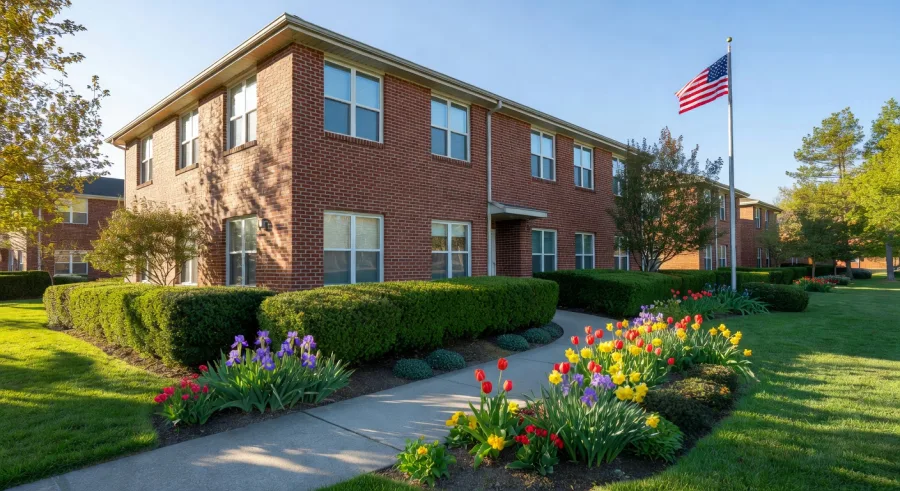
Housing units available through public housing programs range from individual apartments in senior-specific buildings to townhouses and other styles of homes. Many senior-designated public housing communities offer additional features like accessibility accommodations, community rooms, and proximity to transit and health services.
Who Qualifies for Public Housing as a Senior?
Eligibility for public housing is based on several factors. Here is a general overview of who may qualify:
- Age: Many PHAs designate certain buildings or units specifically for seniors, typically defined as individuals aged 62 and older. Some communities serve adults 55 and up.
- Income limits: Your household income must fall below a certain threshold set by HUD for your area. These limits vary by location and household size and are updated regularly. Your local PHA can give you the current figures for your county or city.
- Citizenship or eligible immigration status: At least one member of the household must be a U.S. citizen or have eligible immigration status.
- Background screening: PHAs typically conduct background checks. Certain criminal histories may affect eligibility, though policies vary by authority.
- Disability status: Seniors with disabilities may qualify for additional accommodations and may be given priority consideration in some areas.
Because eligibility rules can differ from one PHA to another, it is always best to contact your local authority directly to get the most accurate information for your situation.
Finding Public Housing Seniors Affordable Options Near You
The single most important step you can take is to connect with your local Public Housing Authority. Every city, county, or region has its own PHA that manages applications and waitlists for public housing in that area. Here is how to get started:
Step 1: Use the HUD PHA Locator
HUD maintains an online directory of all Public Housing Authorities across the United States. By visiting the official HUD website and using their PHA contact search tool, you can find the agency responsible for housing in your specific area. You will find phone numbers, addresses, and application information all in one place.
Step 2: Submit an Application
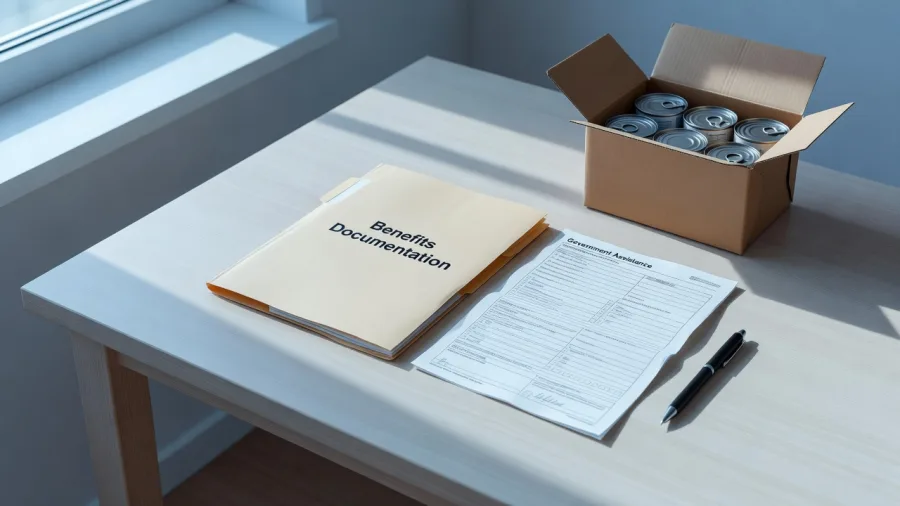
Once you have identified your local PHA, reach out to request an application. Many PHAs now allow you to apply online, while others may require a paper application submitted in person or by mail. Be prepared to provide documentation including proof of income, identification, and information about your household.
Step 3: Get on the Waitlist
It is important to know that public housing is in high demand in many areas, and waitlists can be long — sometimes months or even years. The sooner you apply, the sooner your name will be in the queue. Some PHAs open and close their waitlists periodically, so checking back regularly is worthwhile if a list is currently closed in your area.
Tip: Apply to multiple PHAs if you are flexible about location. Some nearby towns or counties may have shorter waitlists than major cities.
Step 4: Explore Section 202 Supportive Housing
In addition to general public housing, HUD offers a program specifically designed for very low-income seniors called Section 202 Supportive Housing for the Elderly. This program provides not just affordable housing, but also support services like transportation, housekeeping assistance, and referrals to health care. If you are 62 or older, this program may be an excellent fit. Ask your local PHA or search the HUD website for Section 202 properties in your region.
Other Resources to Help Seniors Find Affordable Housing
Public housing is just one piece of the puzzle. Several other programs and resources can help seniors secure affordable, stable housing:
- Section 8 Housing Choice Vouchers: These vouchers help eligible low-income seniors pay rent in privately owned housing. The voucher covers a portion of rent, and you pay the rest based on your income.
- State and local housing programs: Many states and cities have their own affordable housing initiatives for seniors that operate alongside or separately from federal programs. Your local Area Agency on Aging is a great place to ask about these.
- 211 Helpline: Dialing 2-1-1 connects you to a local specialist who can help identify housing resources in your community, often including emergency rental assistance and senior-specific programs.
- National Council on Aging (NCOA): This nonprofit offers a benefits eligibility tool called BenefitsCheckUp that can help you identify housing and other financial assistance programs you may qualify for.
Do Not Wait — Take the First Step Today
Finding public housing seniors affordable options takes some patience, but the savings can be life-changing. Paying rent based on your income rather than market rates could free up hundreds of dollars each month for food, medications, and other essentials.
The most important thing you can do right now is start the process. Do not assume you will not qualify or that there is no housing available in your area. Reach out, ask questions, and get your name on a list.
Your next step: Visit the official HUD website at hud.gov to find your local Public Housing Authority, explore Section 202 senior housing options, and learn more about your eligibility. You can also call HUD directly at 1-800-955-2232 for assistance. Taking action today could put you on the path to a safer, more affordable place to call home.
Advertisement