Advertisement
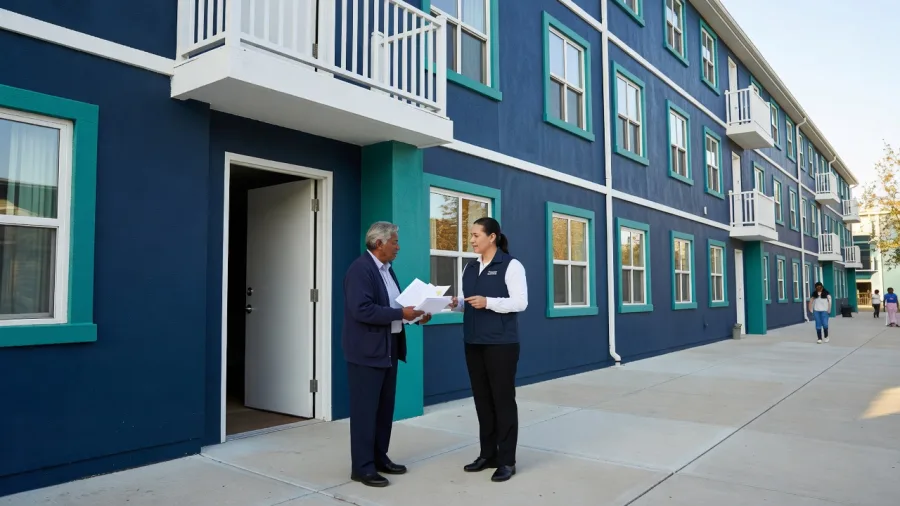
If you live in public housing and your building is scheduled for major repairs, renovations, or demolition, you may be wondering what happens to you and your belongings in the meantime. The good news is that federal law provides meaningful protections for residents facing temporary or permanent displacement. Understanding your public housing relocation rights during renovation as a senior can make a stressful situation much more manageable — and help you avoid losing the affordable home you depend on.
Why Relocations Happen in Public Housing
HUD and local Public Housing Authorities (PHAs) are required by law to maintain safe and sanitary living conditions. When a unit or building fails to meet those standards, the PHA may need to move residents out temporarily — or permanently — to complete the necessary work. Common reasons include:
- Structural repairs or roof replacements
- Mold remediation or lead paint abatement
- HUD-mandated capital improvements
- Full-scale building renovations under programs like RAD (Rental Assistance Demonstration)
- Demolition and redevelopment of an older property
Whatever the reason, your rights as a resident do not disappear when construction begins. Federal regulations and HUD guidelines set clear expectations for how PHAs must treat you throughout the process.
Your Core Public Housing Relocation Rights During Renovation
HUD requires that PHAs follow the Uniform Relocation Act (URA) and HUD-specific guidelines when residents must be moved due to federally funded projects. Here is what that means in plain language:
You Must Be Given Advance Notice
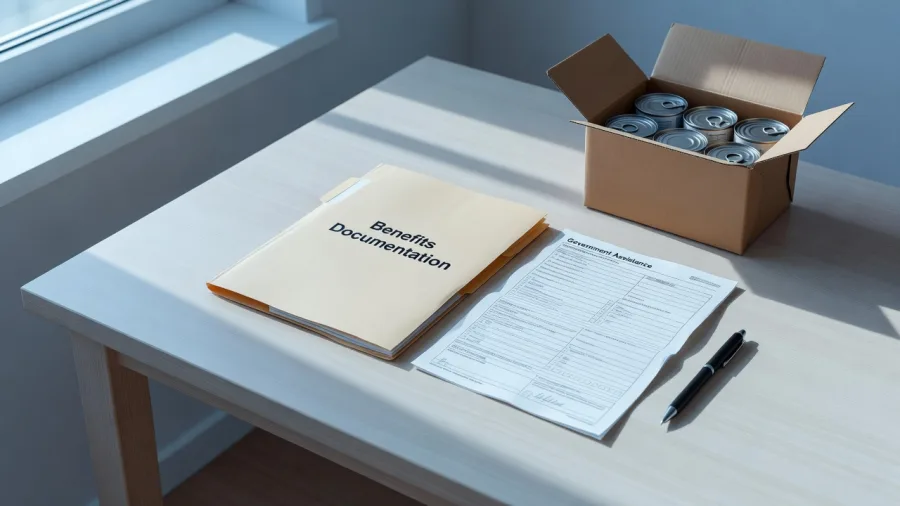
Your PHA is required to notify you in writing before any relocation takes place. This notice must give you enough time to prepare — typically at least 30 days for a temporary move, and longer for permanent relocations. The notice should clearly explain why you are being moved, where you will go, how long the relocation is expected to last, and what assistance you will receive.
If you receive a notice that is confusing or incomplete, you have the right to ask your PHA for a full written explanation. Do not ignore relocation notices — responding quickly helps protect your position.
Temporary Relocation Assistance Is Required
When a move is temporary, the PHA must provide a suitable substitute housing unit at no additional cost to you. That means you should not be paying more in rent or out-of-pocket expenses simply because your unit is under repair. Assistance may include:
- A comparable temporary unit within the same PHA system
- Payment for moving and storage costs
- Reimbursement for any increased housing costs during the temporary period
The key word here is comparable. HUD expects the temporary unit to be decent, safe, and sanitary — and appropriate for your household size and any accessibility needs you have as a senior or person with a disability.
Your Right to Return to Your Original Unit
For temporary relocations, you generally have a legal right to return to your original unit — or a comparable one in the same development — once the repairs are complete. This right to return should be spelled out in your relocation agreement with the PHA. Make sure you get this commitment in writing before you move out.
If the renovation is so extensive that your exact unit will no longer exist in its original form, the PHA must still offer you a comparable replacement unit. You should not lose your place in public housing simply because renovations were necessary.
Special Protections for Seniors and People With Disabilities
If you are 62 or older, or if you have a disability, you have additional protections during any relocation. HUD guidelines require that PHAs take your specific needs into account when selecting a temporary housing placement. That includes:
- Ensuring the temporary unit is accessible if you use a wheelchair, walker, or other mobility aid
- Placing you in a location that does not isolate you from medical care, transportation, or support services
- Giving you priority consideration in unit assignments when possible
If the temporary unit offered to you does not meet your accessibility needs, you have the right to request a different placement. Put your request in writing and keep a copy for your records.
What Happens During Permanent Displacement
In some cases — such as full demolition of a building — the relocation is permanent. This is a more serious situation, but federal law still protects you. Under the Uniform Relocation Act, residents who are permanently displaced from federally assisted housing are entitled to:
- A written notice of permanent displacement at least 90 days before you must move
- Referrals to at least three comparable replacement housing options
- Relocation assistance payments to help cover moving costs and any increase in rent at your new home
Permanent displacement assistance amounts vary by location and household circumstances. Your PHA must provide a written explanation of exactly what you are entitled to receive.
How to Protect Yourself: Practical Steps for Seniors
Knowing your rights is only half the battle. Here is how to make sure those rights are honored:
- Get everything in writing. Any agreement about temporary housing, moving assistance, or the right to return should be documented. Never rely on a verbal promise.
- Ask questions early. As soon as you hear about upcoming renovations, contact your PHA and ask how residents will be affected.
- Contact HUD directly if needed. If you believe your PHA is not following the rules, you can file a complaint with your local HUD field office. Visit hud.gov or call 1-800-955-2232 for guidance.
- Seek free legal help. Many areas have legal aid organizations that specialize in housing rights for seniors. Your local Area Agency on Aging can help connect you with these resources.
- Document your current unit. Before any move, take photos of your belongings and your unit. This protects you if there are disputes about damage or missing items later.
Know Your Rights Before the Moving Truck Arrives
Being asked to leave your home — even temporarily — is unsettling. But public housing residents, especially seniors, have real and enforceable protections under federal law. PHAs that receive HUD funding are legally obligated to treat you fairly, provide comparable housing, cover reasonable moving costs, and honor your right to return. You do not have to navigate this alone.
Your home matters. Your stability matters. And the law is on your side.
Next Step: If you have received a relocation notice or have questions about your public housing relocation rights during renovation, visit hud.gov or call HUD's information line at 1-800-955-2232. You can also contact your local Public Housing Authority directly or reach out to your Area Agency on Aging for free guidance and referrals to housing advocates in your community.
Advertisement