Advertisement
If you've noticed your SNAP benefits are lower than they used to be, you're not imagining it. Millions of Americans have seen their monthly grocery assistance reduced in recent years. But knowing how to stretch SNAP benefits can make a real difference at the checkout line — and in your kitchen. Whether you receive a small monthly amount or the maximum your household qualifies for, these practical tips can help every dollar go further.
Understand What You're Working With
SNAP benefits are loaded monthly onto an EBT card, which works like a debit card at most major grocery stores, including Walmart, Kroger, and even Amazon Fresh. The amount you receive depends on your household size, income, and certain expenses. Average benefits run around $230 per person per month, though your amount may be higher or lower depending on your situation.
Before you can stretch your benefits, it helps to know exactly how much you have and when it reloads. Most states load benefits on a set schedule based on your case number or last name. Check your state's SNAP portal or call your local office to confirm your reload date so you can plan your shopping around it.
How to Stretch SNAP Benefits Through Smart Meal Planning
Meal planning is one of the most powerful tools available to SNAP recipients. Spending 20 to 30 minutes each week planning your meals before you shop can dramatically reduce waste and help you avoid impulse purchases that eat into your budget.
- Plan meals around sales: Check your store's weekly circular before planning. Build meals around what's already discounted that week.
- Cook in batches: Soups, stews, casseroles, and grain-based dishes stretch ingredients further and provide multiple meals from one cooking session.
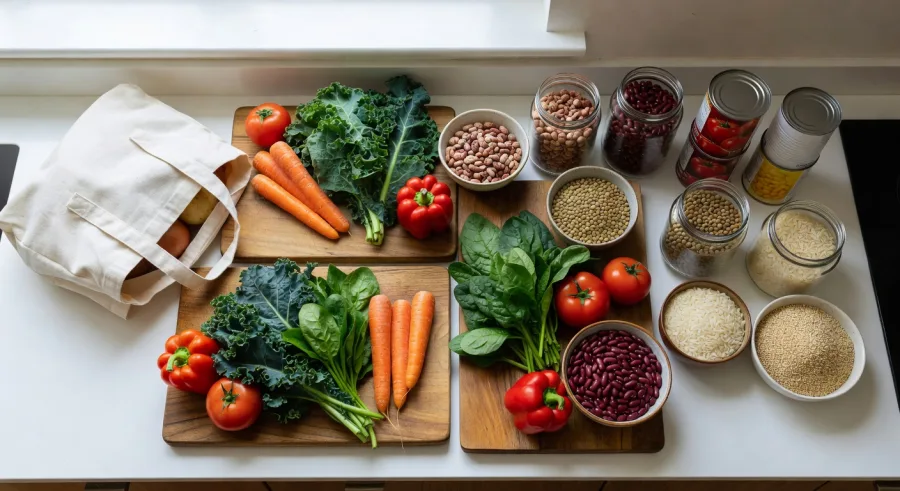
- Embrace versatile staples: Foods like dried beans, lentils, rice, oats, eggs, and frozen vegetables are affordable, nutritious, and work in dozens of recipes.
- Reduce food waste: Plan to use perishables early in the week and save shelf-stable items for later. Use leftovers intentionally by working them into the next day's meal.
Choose the Right Stores
Not all grocery stores are equal when it comes to stretching your EBT dollars. Discount grocers like Aldi, Lidl, and WinCo Foods often offer significantly lower prices than traditional supermarkets. Warehouse stores like Costco and Sam's Club also accept EBT, and buying certain non-perishable items in bulk can lower your per-unit cost considerably.
Don't overlook dollar stores either. Many Dollar Tree and Dollar General locations now carry basic pantry staples and even some fresh produce that can supplement your grocery haul.
Pro tip: Amazon Fresh and Walmart.com both accept EBT for online grocery orders. Shopping online can help you track your spending in real time and avoid checkout surprises.
Stack SNAP With Other Food Programs
One of the most underused strategies for stretching SNAP benefits is combining them with other food assistance programs. Many people don't realize how many resources are available alongside SNAP.
The Senior Farmers Market Nutrition Program (SFMNP)
If you are 60 or older and meet income requirements, you may qualify for the Senior Farmers Market Nutrition Program. This program provides coupons or vouchers you can use at farmers markets, roadside stands, and community-supported agriculture programs to buy fresh fruits, vegetables, and herbs — at no cost to you.
The Commodity Supplemental Food Program (CSFP)
The CSFP provides monthly food packages to income-eligible seniors aged 60 and older. Packages typically include canned goods, grains, dairy, and protein items. If you qualify, this can significantly supplement what you purchase with SNAP.
Local Food Pantries and Food Banks
Using a local food pantry or food bank is not a sign of failure — it's a smart resource. Feeding America operates a nationwide network of food banks, and many distribute fresh produce, dairy, and protein at no cost. Supplementing your SNAP benefits with pantry visits can free up your monthly allowance for items food banks don't typically carry.
Double Up Food Bucks
Many states offer a Double Up Food Bucks program that matches your SNAP spending at participating farmers markets and grocery stores. For every dollar you spend with your EBT card on fresh produce, you may receive a matching dollar to spend on more produce. Check whether your state participates and which locations are enrolled near you.
How to Stretch SNAP Benefits at the Store
Good habits at the grocery store can make a noticeable difference over time. Here are a few worth building into your routine:
- Shop with a list and stick to it. Unplanned purchases are one of the biggest budget busters.
- Compare unit prices, not package prices. The larger package isn't always the better deal — check the price per ounce or pound on the shelf tag.
- Buy store brands. Generic or store-brand products are almost always cheaper than name brands and are typically identical in quality.
- Use coupons strategically. Many stores allow you to stack manufacturer coupons with store sales. Apps like Ibotta also offer cash-back rebates on grocery items that don't require an EBT card to redeem.
- Shop the perimeter first. The outer aisles of most grocery stores contain produce, dairy, and proteins — often better value than heavily processed center-aisle items.
Make Sure You're Getting the Right Benefit Amount
If your benefits seem lower than expected, it's worth reviewing your case. Changes in income, household size, or reported expenses can affect your benefit level. If your situation has changed — for example, if your income dropped or you have higher medical or housing costs — you may be eligible for a higher amount. Contact your state SNAP office to report changes and request a review.
It's also worth asking your caseworker about deductions you may not be taking. Seniors and people with disabilities may qualify for deductions related to medical expenses, which can lower your countable net income and increase your benefit.
Take the Next Step Today
Stretching your SNAP benefits doesn't require a big lifestyle overhaul — just a few smart habits practiced consistently. From meal planning and store selection to stacking benefits with programs like Double Up Food Bucks and CSFP, there are real opportunities to get more from what you already receive.
If you're not yet enrolled in SNAP or think you may qualify for a higher benefit, visit your state's SNAP office website or go to benefits.gov to check your eligibility. Applications typically take 15 to 20 minutes to complete online, and emergency benefits may be available within 7 days if you qualify. Don't leave money on the table — check what you're entitled to today.
Advertisement